
 Plan Your Trip
Eastern Bhutan Tour – 15 Days
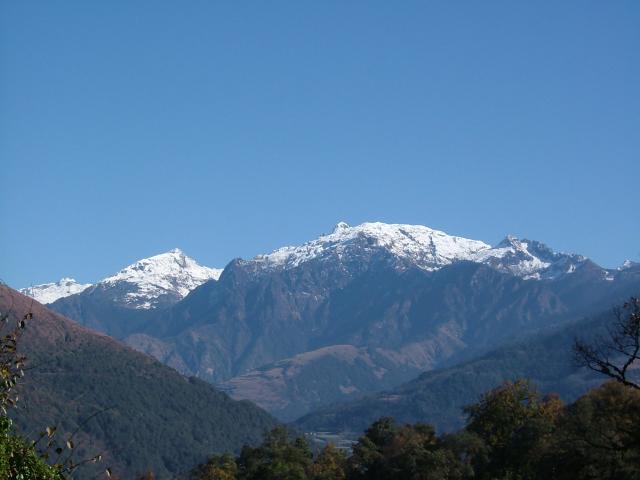
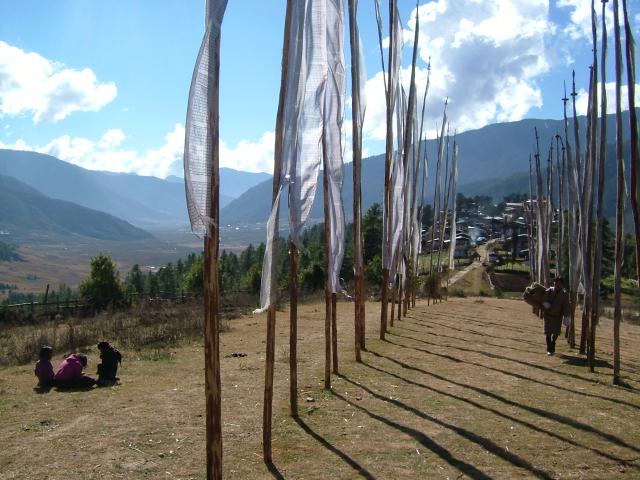
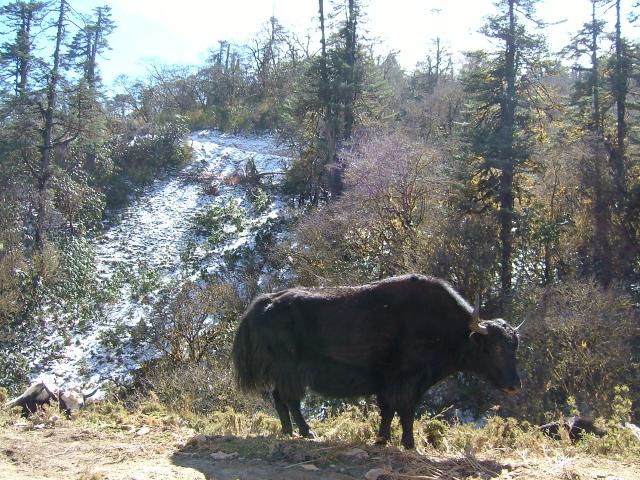

Trip Overview

Trek Region
Bhutan

Difficulty Level
Moderate

Transport
Flight + Private Vehicle + Domestic Flight (Yonphula–Paro)

Total Trip Duration
15 Days

Max Elevation
4,000m

Meals
B – Arrival Day / BLD – Remaining Days
Trip Highlights
- Cross the entire country overland, from Paro in the far west to Trashigang and Trashiyangtse near the Indian border, a route most visitors to Bhutan never attempt.
- Cross Thrumshing La Pass at 4,000m, the highest point on Bhutan’s motorable road network, where the landscape shifts from alpine forest to subtropical valley within a single descent.
- Visit Lhuentse Dzong and Khoma Village, ancestral home of the Wangchuck dynasty and source of Bhutan’s most prized hand-woven textile, kishuthara silk.
- Stand before the towering Guru Nangsey Zilneon statue at Takila, one of the largest Guru Rinpoche statues in the country.
- Explore Trashigang, “the Jewel of the East,” Bhutan’s largest district and once a major trading hub with Tibet.
- Visit Chorten Kora in Trashiyangtse, modelled on Kathmandu’s Boudhanath Stupa, and the riverside temple of Gomphu Kora.
- Meet weavers in Radhi village, renowned for raw silk, and learn about the semi-nomadic Brokpa people of the far east.
- Return west via domestic flight from Yonphula, saving days of driving for more time on the ground in the east.
- Close the journey with the classic hike to Taktsang Monastery, the Tiger’s Nest, in Paro.
Trip Summary
Eastern Bhutan sees a fraction of the visitors that Paro, Thimphu, and Punakha receive each year, and that is precisely its appeal. This 15-day journey takes you the full length of the country, through central Bhutan’s Trongsa and Bumthang and on into the six eastern districts of Mongar, Lhuentse, and Trashigang, a region still described locally as having the feel of “old Bhutan.”
The roads here wind past dzongs built without nails or architectural plans, through rhododendron forests and subtropical valleys, and into villages where kishuthara silk weaving and raw silk production continue much as they always have. Trashigang and Lhuentse hold some of the country’s most significant dzongs, largely undisturbed by the crowds found further west, while the drive itself, particularly over Thrumshing La Pass, ranks among the most dramatic road journeys in the Himalaya.
This is not a trip for travellers seeking a relaxed pace; the distances are real, and several days involve five to seven hours on the road. But for those willing to put in the travel time, the reward is a side of Bhutan that remains genuinely undertouristed, followed by a return to Paro and the unmissable climb to Tiger’s Nest as a fitting final chapter.
What Makes the Eastern Bhutan Tour Special:
- A genuine west-to-east crossing of the country, reaching districts most Bhutan tours never visit
- Thrumshing La Pass, the highest point on Bhutan’s road network, crossed en route to Mongar
- Time in Lhuentse and Khoma Village, the ancestral home of Bhutan’s royal family and a centre of traditional silk weaving
- Exploration of Trashigang and Trashiyangtse, including Chorten Kora and Gomphu Kora
- A domestic flight from Yonphula back to Paro, saving days of return driving
- The Tiger’s Nest hike positioned as a genuine closing highlight in Paro
- Experienced Bhutanese guides with deep regional knowledge of the east, a region still opening up to tourism
When To Visit
Jan – Feb: Average Time to Visit (Cold, Some Pass Closures)
Mar – May: Best Time to Visit
Jun – Aug: Average Time to Visit
Sep – Nov: Best Time to Visit
Dec: Average Time to Visit (Cold, Some Pass Closures)
Spring (March to May) and autumn (September to November) are the best seasons for this route, offering the clearest conditions for crossing Thrumshing La, Pele La, and Kori La passes. Winter can bring snow and occasional closures to the higher passes, and summer’s monsoon rains can cause landslides on the more remote eastern roads, so allow flexibility in your schedule during those seasons.
Itinerary
Fly into Paro on one of the most scenic approaches in commercial aviation, with views of Mt. Chomolhari on the final descent. After arrival formalities, drive roughly two hours to Thimphu. Spend the evening settling in, followed by a welcome dinner and trip briefing.
Elevation: 2,320m (Thimphu) | Accommodation: Hotel | Meals: B
Visit the giant Buddha Dordenma statue overlooking the valley, Trashi Chhoe Dzong, seat of the King and the Je Khenpo, and the National Memorial Chorten. In the afternoon, visit the Institute for Zorig Chusum, where students train in Bhutan’s thirteen traditional arts, and browse the weekend handicraft market if timing allows.
Elevation: 2,320m | Walking: 2-3 hours | Accommodation: Hotel | Meals: BLD
Cross Dochula Pass at 3,116m, marked by 108 memorial chortens and, on clear days, sweeping views of the eastern Himalaya. Descend into the Punakha Valley, stopping at Chimi Lhakhang, the Fertility Temple, before visiting Punakha Dzong, built in 1637 at the confluence of the Pho Chhu and Mo Chhu rivers.
Elevation: 1,200m (Punakha) | Walking: 1-2 hours | Accommodation: Hotel | Meals: BLD
Depart for Trongsa, crossing Pele La Pass at 3,420m, the traditional boundary between western and central Bhutan. Stop for lunch at Chendebji Chorten, an 18th-century stupa modelled on Kathmandu’s Boudhanath. Arrive in Trongsa in the afternoon.
Elevation: 2,200m (Trongsa) | Walking: Light | Accommodation: Hotel | Meals: BLD
Visit Trongsa Dzong, the largest fortress in Bhutan and ancestral seat of the Wangchuck dynasty, along with the Ta Dzong watchtower museum. In the afternoon, cross Yotong La Pass into the Bumthang Valley, Bhutan’s spiritual heartland.
Elevation: 2,600m (Bumthang) | Walking: 1-2 hours | Accommodation: Hotel | Meals: BLD
Visit Jambay Lhakhang, one of the oldest temples in Bhutan, believed to date to the 7th century, along with Kurjey Lhakhang and Tamshing Monastery, known for its centuries-old murals. Explore Jakar Dzong and the surrounding town in the afternoon.
Elevation: 2,600m | Walking: 2-3 hours | Accommodation: Hotel | Meals: BLD
A dramatic day of driving through Ura village and up to Thrumshing La Pass at 4,000m, the highest point on Bhutan’s motorable road network. The road then descends steadily through alpine forest into subtropical valley, crossing the Kuri Chhu river before climbing again to Mongar.
Elevation: 1,600m (Mongar) | Walking: Light | Accommodation: Hotel/Lodge | Meals: BLD
Visit Mongar Dzong, built in the 1930s without architectural plans or nails, in keeping with traditional Bhutanese construction methods. In the afternoon, drive roughly three hours to Lhuentse, ancestral home of Bhutan’s royal family.
Elevation: 1,400m (Lhuentse) | Walking: Light | Accommodation: Hotel/Lodge | Meals: BLD
Visit Lhuentse Dzong, built in 1654 on a hilltop above the Kuri Chhu river, then continue to Khoma Village, where women weave kishuthara, Bhutan’s most prized silk textile, often on backstrap looms in the surrounding fields. In the afternoon, visit Takila to see the towering Guru Nangsey Zilneon statue overlooking the Tangmachu Valley.
Elevation: 1,400m | Walking: 2-3 hours | Accommodation: Hotel/Lodge | Meals: BLD
Drive to Trashigang via Kori La Pass at 2,450m, with a detour to Drametse Lhakhang, birthplace of the UNESCO-recognised Drametse Nga Chham, the Dance of the Drums. Arrive in Trashigang, Bhutan’s largest district and once a major trading centre with Tibet, in the afternoon.
Elevation: 1,100m (Trashigang) | Walking: Light | Accommodation: Hotel/Lodge | Meals: BLD
A full-day excursion to Trashiyangtse, Bhutan’s newest district, to visit Chorten Kora, a striking white stupa modelled on Boudhanath, and Gomphu Kora, a temple perched above the river. Explore Trashiyangtse town, known for its traditional wood-turning crafts, before returning to Trashigang.
Elevation: 1,750m (Trashiyangtse) | Walking: 2-3 hours | Accommodation: Hotel/Lodge | Meals: BLD
Visit Radhi Village, known for raw silk weaving, and Rangjung Monastery, before exploring Trashigang Dzong overlooking the Gamri Chhu river. Depending on interest, learn about the semi-nomadic Brokpa people of the far east, known for their distinctive dress and highland lifestyle.
Elevation: 1,100m | Walking: 2-3 hours | Accommodation: Hotel/Lodge | Meals: BLD
Transfer to Yonphula Domestic Airport for a scenic flight back to Paro, saving several days of return driving. Note that domestic flights can occasionally be affected by weather, particularly in summer, so this day carries some built-in flexibility. Spend the afternoon at leisure in Paro.
Elevation: 2,250m (Paro) | Accommodation: Hotel | Meals: BLD
Visit Rinpung Dzong and Ta Dzong in the morning, then tackle the trip’s signature hike to Taktsang Monastery in the afternoon or the following morning depending on group energy. The trail climbs through pine forest to a monastery perched 900 metres above the valley floor, with a teahouse rest stop at the halfway point.
Elevation: 3,120m (Tiger’s Nest) | Walking: 4-5 hours return | Accommodation: Hotel | Meals: BLD
Your Eastern Bhutan Tour concludes with a transfer to Paro International Airport for your onward flight. Depending on departure time, there may be a final opportunity for last-minute shopping in Paro town before your guide sees you off.
Elevation: 2,250m | Accommodation: Departure | Meals: B
Trek Difficulty & Physical Demands
The Eastern Bhutan Tour is classified as moderate, primarily due to the length of driving days rather than physical exertion. No prior trekking experience is required.
Elevation Profile
- Lowest point: Trashigang at around 1,100m
- Highest point: Thrumshing La Pass at 4,000m, briefly reached by road
- The Tiger’s Nest hike reaches 3,120m on the final full day
Daily Walking Expectations
- Most sightseeing days involve 1 to 3 hours of walking around dzongs, temples, and villages
- Several days involve 5 to 7 hours of driving on winding mountain roads
- The Tiger’s Nest hike is the most physically demanding day of the trip
Altitude Considerations
- No overnight stays above 2,600m, so altitude is a minor factor on this itinerary
- Thrumshing La Pass is crossed briefly by vehicle, not on foot
- Most travellers adjust with no difficulty
Physical Fitness Requirements
- Tolerance for long, winding drives on mountain roads, some days exceeding 6 hours
- Comfortable walking for several hours with some uphill stretches on hiking and village-walk days
- No technical or mountaineering skills needed
Who This Tour Suits:
- Repeat visitors to Bhutan seeking a genuinely offbeat itinerary
- Textile, craft, and weaving enthusiasts, particularly around Khoma and Radhi villages
- Travellers with a strong interest in Bhutanese history, architecture, and remote dzongs
- Those comfortable with long driving days and simpler accommodation in the east
- Anyone wanting to see a side of Bhutan that remains largely untouched by mainstream tourism
Best Time to Trek: Seasonal Comparison
Spring (March to May)
Rating: Excellent Clear skies and blooming rhododendrons along the passes make spring one of the two best seasons for this route.
Advantages:
- Clear views from Thrumshing La, Pele La, and Kori La passes
- Rhododendron blooms in March and April, especially en route to Mongar
- Comfortable conditions for village walks and the Tiger’s Nest hike
Disadvantages:
- Busier season in western Bhutan; the east remains quiet year-round
- Advance booking recommended for hotels along the eastern route
Summer/Monsoon (June to August)
Rating: Average Monsoon rains can cause landslides on more remote eastern roads and occasionally disrupt the Yonphula domestic flight.
Advantages:
- Lush, green landscapes throughout central and eastern Bhutan
- Fewer travellers
Disadvantages:
- Possible road delays or landslides on eastern routes
- Higher risk of domestic flight cancellations from Yonphula
Autumn (September to November)
Rating: Excellent Widely considered Bhutan’s finest season, with clear post-monsoon skies and stable road and flight conditions.
Advantages:
- Best visibility of the year across all passes
- Stable, dry weather for the full west-to-east crossing
- Major festivals in Thimphu, Paro, and eastern districts often fall within this window
Disadvantages:
- Busiest and most expensive season in western Bhutan
- Booking well in advance is recommended for October
Winter (December to February)
Rating: Average Cold, with occasional snow affecting the higher passes, though eastern Bhutan’s lower valleys stay milder than the west.
Advantages:
- Quiet roads and minimal crowds throughout
- Milder temperatures in the lower eastern valleys compared to western Bhutan
Disadvantages:
- Possible snow on Thrumshing La and Pele La passes
- Colder temperatures in Bumthang and Trongsa
Recommendation: October and November for the most reliable road and flight conditions and festival season. March and April as a strong spring alternative, once early-season weather has settled.
Booking Your Eastern Bhutan Tour – 15 Days
Step 1: Choose Your Dates
Decide what matters most: festival season, clear pass conditions, or simply avoiding monsoon-season road risk, and pick your travel window accordingly.
Step 2: Secure Your Visa and SDF
All visitors must book through a licensed Bhutanese tour operator, who arranges your visa clearance letter and includes the Sustainable Development Fee in your package. This fee funds Bhutan’s free healthcare and education systems.
Step 3: Book Your International Flights
Paro is served by Druk Air and Bhutan Airlines from hubs including Kathmandu, Delhi, Kolkata, Bangkok, and Singapore. Book early, especially for peak autumn and spring dates.
Step 4: Arrange Travel Insurance
Confirm your policy covers medical treatment and evacuation, which is especially important given the remoteness of eastern Bhutan and the reliance on a domestic flight for the return leg.
Step 5: Confirm Details and Deposit
A deposit of 30 to 50 percent is typically required to confirm your booking, with the balance due several weeks before departure.
Tips for First-Time Eastern Bhutan Visitors:
- Work only with a licensed local operator; independent travel is not permitted in Bhutan
- Build some flexibility into your schedule around the Yonphula domestic flight, which can be weather-dependent
- Pack layers, as temperatures shift noticeably between valleys and over mountain passes
- Expect simpler accommodation in Mongar, Lhuentse, and Trashigang compared to western Bhutan, in keeping with the region’s remoteness
- Dress modestly at dzongs and monasteries, and always ask before photographing monks or religious objects
Cost Details
Cost Includes
- Hotel and lodge accommodation throughout Paro, Thimphu, Punakha, Trongsa, Bumthang, Mongar, Lhuentse, and Trashigang (double occupancy)
- All meals throughout the tour
- Private vehicle transport for all transfers and sightseeing
- Domestic flight from Yonphula to Paro
- Airport pickup and drop-off in Paro
- Experienced English-speaking licensed Bhutanese guide
- Bhutan Sustainable Development Fee and Tourism Levy
- All entry fees to dzongs, monasteries, and museums
- Pre-departure information pack
Cost Excludes
- International flights to and from Paro
- Travel insurance (compulsory, must cover medical evacuation)
- Bhutan entry visa fee (paid on arrival)
- Gratuities for guide and driver
- Personal expenses such as laundry, phone use, and souvenirs
- Alcoholic beverages
- Textile or craft purchases in Khoma or Radhi villages
Trip Gallery
Final Thoughts:
The Eastern Bhutan Tour is for travellers who have already glimpsed Bhutan’s western valleys, in photos if not in person, and want to see what lies beyond them. Fifteen days is enough time to cross the entire country, through central Bhutan’s spiritual heartland and into the six eastern districts where dzongs stand largely free of crowds, silk weavers still work backstrap looms in open fields, and the road itself, over passes like Thrumshing La, is as much a highlight as any single destination.
It asks more of the traveller than a western-circuit tour, longer days, simpler lodges, real distances, but it delivers a side of Bhutan few outsiders ever see.
Your Adventure to Eastern Bhutan Tour – 15 Days Starts Here
Start your journey with trusted local experts and discover the beauty, culture, and adventure waiting in the Himalayas and beyond.
Frequently Asked Questions
Everything you need to know about the AASRA ECO TREK
Yes, all visitors except Indian nationals require a visa. Your tour operator arranges the visa clearance letter in advance, and the fee is paid on arrival at Paro.
It is a mandatory nightly fee paid by all international tourists, included in your tour package cost, that funds free healthcare, education, and conservation programs across Bhutan.
Eastern Bhutan sees far fewer visitors, has simpler accommodation and infrastructure, and retains a distinct regional identity, including its own textile traditions, dialects, and closer historical ties to Tibet and India.
It is generally reliable in spring and autumn but can be affected by weather, particularly in summer. Building a day of flexibility into your schedule around this leg is recommended.
The main demand is long driving days rather than difficult walking. The Tiger’s Nest hike near the end is the most physically active day of the trip.
Yes, though this itinerary already includes full coverage of Paro, Thimphu, and Punakha alongside the eastern route; see our Enter the Dragon or Dragon Heart Experience itineraries for shorter, western-focused alternatives.
Yes, insurance covering medical treatment and emergency evacuation is considered essential, particularly given the remoteness of the eastern districts.
A general guideline is USD 10–15 per day for your guide and USD 5–8 per day for your driver, given in cash at the end of the tour.

Still have questions?
Can’t find the answer you’re looking for? Please chat to our friendly team.
Get In TouchSimilar Packages
Classic Laya Trek – 22 Days
5,005m
Max. Elevation
Hard Level
Unbeatable Snowman Trek – 30 Days
5,350m
Max. Elevation
30 Days
Duration
Hard Level
Dragon Heart Experience – 14 Days
3,420m
Max. Elevation
14 Days
Duration
Moderate Level
We are associate with
