
 Plan Your Trip
Classic Laya Trek – 22 Days

Trip Overview

Trek Region
Bhutan

Difficulty Level
Hard

Max Elevation
5,005m

Meals
B – Arrival & Departure Days / BLD – Remaining Days
Trip Highlights
- Follow the classic Laya Gasa route along Bhutan’s northern border with Tibet, considered second only to the Snowman Trek in scenic ambition among Bhutan’s long-distance trails.
- Camp beneath the east face of Mt. Chomolhari at Jangothang, with Jichu Drake and Tserim Gang rising alongside it.
- Cross Sinche La Pass at 5,005m, the trek’s highest point, with sweeping views toward Gangchhenta, the “Great Tiger Mountain.”
- Spend two nights in Laya, Bhutan’s second-highest permanent settlement, home to the semi-nomadic Layap people, known for their distinctive bamboo hats trimmed with turquoise and silver.
- Watch for blue sheep, takin, and Himalayan marmots along high pastures, with a chance of spotting the elusive snow leopard.
- Soak in the natural hot springs of Gasa Tshachu, a traditional Bhutanese remedy for tired trekking muscles, after two weeks on the trail.
- Visit Gasa Dzong, perched dramatically above its valley, before descending through forest to Tashithang and driving into Punakha.
- Close the trip with cultural time in Punakha, Thimphu, and Paro, including the hike to Taktsang Monastery.
Trip Summary
The Laya Gasa route, also known simply as the Laya Trek, is widely regarded as one of Bhutan’s finest long-distance treks, a genuine step up in scale and remoteness from the Jomolhari treks further west, without venturing into the extreme territory of the full Snowman Trek. It follows Bhutan’s northern frontier through Jigme Dorji National Park, climbing through the same high country that surrounds Mt. Chomolhari before continuing north into the remote village of Laya and finally descending to the restorative hot springs of Gasa.
This 22-day itinerary gives the classic route proper time on both ends. Cultural days in Paro and Punakha bookend thirteen days of trekking, including two full acclimatization days at Jangothang and Laya, so the altitude gain is handled sensibly rather than rushed. The trail itself moves through some of the widest variety of terrain found on any Bhutan trek, from subtropical farmland near Paro to high alpine passes above 5,000m and back down through bamboo forest to the warm river valley at Tashithang.
What sets this trek apart from Bhutan’s shorter options is Laya itself: two full days spent in the country’s second-highest permanent settlement, home to a community whose dress, dialect, and daily life differ markedly from the rest of Bhutan. Add the reward of Gasa’s natural hot springs at the trek’s end, and this becomes a journey that balances genuine physical challenge with real cultural depth.
What Makes the Classic Laya Trek Special:
- The full classic Laya Gasa route, crossing multiple passes above 4,200m and one above 5,000m
- Two nights in Laya, allowing genuine time with the Layap community rather than a rushed overnight
- A soak in the natural hot springs at Gasa Tshachu as a fitting reward at the trek’s end
- Full support crew with pack animals, camping equipment, and dedicated cook staff throughout
- Built-in acclimatization days at Jangothang and Laya
- Cultural bookends in Paro and Punakha, including the Tiger’s Nest hike
- A genuine high-altitude Himalayan trek that stops short of the extreme demands of the full Snowman Trek
When To Visit
Jan – Feb: Not Recommended (Passes Closed by Snow)
Mar – May: Best Time to Visit
Jun – Aug: Not Recommended (Monsoon, Trail Conditions Poor)
Sep – Nov: Best Time to Visit
Dec: Not Recommended (Passes Closed by Snow)
Spring (April to June) and autumn (mid-September to mid-November) are the two established windows for the Classic Laya Trek. Spring brings blooming rhododendrons and blue poppies to the lower and mid-altitude sections, while autumn offers the clearest, most stable weather for the higher passes. Winter closes the route with snow, and the summer monsoon makes trail conditions difficult and views unreliable.
Itinerary
Fly into Paro on one of the most scenic approaches in commercial aviation, descending between forested ridgelines into Bhutan’s green river valley. Your guide will meet you at the airport and transfer you to your hotel, followed by a trip briefing and welcome dinner.
Elevation: 2,250m | Accommodation: Hotel | Meals: B
Visit Kyichu Lhakhang, one of Bhutan’s oldest temples, before hiking to Taktsang Monastery, the Tiger’s Nest, perched 900 metres above the valley on a sheer cliff face. In the afternoon, visit the ruins of Drukgyal Dzong, from where Mt. Chomolhari appears on clear days.
Elevation: 3,120m (Tiger’s Nest) | Walking: 4-5 hours return | Accommodation: Hotel | Meals: BLD
Drive to Drukgyel, where the road ends, and begin the trek following the Paro Chhu river through a narrowing valley of farmland and traditional farmhouses. Camp just beyond the army checkpoint at Shana.
Elevation: 2,850m | Trekking Time: 5-6 hours | Accommodation: Camping | Meals: BLD
Continue uphill along the narrowing river valley, with the trail winding up and down alongside the drainage. Camp in a meadow with a stone shelter as the surrounding peaks begin to close in.
Elevation: 3,610m | Trekking Time: 6-7 hours | Accommodation: Camping | Meals: BLD
Follow the Paro Chhu past a small army outpost as the valley widens again, with clear views of the high ridges and snow-capped peaks ahead. Camp beneath the ruins of an old fortress at the base of Mt. Chomolhari.
Elevation: 4,080m | Trekking Time: 5-6 hours | Accommodation: Camping | Meals: BLD
A rest day built in for altitude adjustment, with optional day hikes offering views of glacial lakes and snow-capped mountains, and a good chance of spotting blue sheep on the upper slopes.
Elevation: 4,080m | Trekking Time: Optional 4 hours | Accommodation: Camping | Meals: BLD
Climb up through wide pastureland, where yak herders’ tents are often visible depending on the season, before descending toward the Lingshi basin. Camp with views of Lingshi Dzong and Tserim Gang’s descending glaciers.
Elevation: 4,010m | Trekking Time: 6-7 hours | Accommodation: Camping | Meals: BLD
Pass Lingshi Dzong, perched on a hilltop and built in the 17th century to control travel between Bhutan and Tibet. An easier walk through villages and yak herders’ camps leads to camp near a stream at Chebisa.
Elevation: 3,880m | Trekking Time: 5-6 hours | Accommodation: Camping | Meals: BLD
Climb to Gombu La Pass (4,440-4,450m) before descending through forests of cedar, fir, and birch to a yak pasture and on to camp beside a stream.
Elevation: 4,220m | Trekking Time: 6-7 hours | Accommodation: Camping | Meals: BLD
Climb to Jhari La Pass (4,750m), with views of Kang Bum, Gangchhenta, Tserim Kang, and the upper reaches of Chomolhari. The trail passes Tsheri Jathang valley, where herds of takin are often seen in summer.
Elevation: 4,160m | Trekking Time: 6-7 hours | Accommodation: Camping | Meals: BLD
The most demanding day of the trek. Cross Sinche La Pass at 5,005m, the highest point of the entire route, through rocky trail and moraine, with sweeping views in every direction. Descend to camp at Limithang, where the local children’s distinctive hats mark your arrival in Laya district.
Elevation: 4,140m | Trekking Time: 6-7 hours | Accommodation: Camping | Meals: BLD
A scenic, gentler day through thick moss-covered forest filled with birdsong, arriving at Laya, Bhutan’s second-highest permanent settlement.
Elevation: 3,840m | Trekking Time: 4-5 hours | Accommodation: Camping | Meals: BLD
A full day to explore Laya and meet the Layap people, recognisable by their distinctive vertical-striped yak-hair clothing and conical bamboo hats trimmed with turquoise and silver. This is also typically the first point on the trek with mobile signal.
Elevation: 3,840m | Walking: Optional 2-3 hours | Accommodation: Camping | Meals: BLD
Descend past an army camp to the Mo Chhu river, following it through juniper and fir forest with views of waterfalls and feeder streams along the way. Koina’s campsite is basic, a reminder of the route’s genuine remoteness, but the surrounding scenery more than compensates.
Elevation: 3,050m | Trekking Time: 6-7 hours | Accommodation: Camping | Meals: BLD
Cross the trek’s final pass, Bari La (also known as Bale La), at around 3,900m, marked by a small rock cairn and prayer flags. From here the trail descends, at times steeply, through bamboo forest into Gasa, where you can explore the village and its dzong before continuing to camp.
Elevation: 2,900m (Gasa) | Trekking Time: 6-7 hours | Accommodation: Camping | Meals: BLD
A short, easy trek to Gasa Tshachu, one of the most popular hot springs in Bhutan. Spend the afternoon soaking sore muscles in the mineral-rich waters, a traditional Bhutanese remedy after weeks of trekking.
Elevation: 2,200m | Trekking Time: 1-2 hours | Accommodation: Camping | Meals: BLD
The trail climbs briefly before winding through rolling hills, pine and oak forest, villages, and wheat fields, with views back toward Gasa Dzong appearing to float against the valley wall.
Elevation: 2,430m | Trekking Time: 5-6 hours | Accommodation: Camping | Meals: BLD
The final trekking day descends through forests of fir, spruce, and rhododendron to Tashithang, where the Classic Laya Trek officially ends. A vehicle meets the group here for the scenic drive into the Punakha Valley.
Elevation: 1,200m (Punakha) | Trekking Time: 4-5 hours | Accommodation: Hotel | Meals: BLD
A well-earned day of comfort after eighteen days on the trail. Visit Punakha Dzong, built in 1637 at the confluence of the Pho Chhu and Mo Chhu rivers and regarded as the most beautiful fortress in Bhutan, and Chimi Lhakhang, the Fertility Temple, reached by an easy walk through farmland.
Elevation: 1,200m | Walking: 1-2 hours | Accommodation: Hotel | Meals: BLD
Drive back over Dochula Pass to Thimphu, stopping at the 108 memorial chortens if weather allows a clear view of the eastern Himalaya. Spend the afternoon exploring Thimphu, including the giant Buddha Dordenma statue and the National Memorial Chorten.
Elevation: 2,320m (Thimphu) | Walking: 2-3 hours | Accommodation: Hotel | Meals: BLD
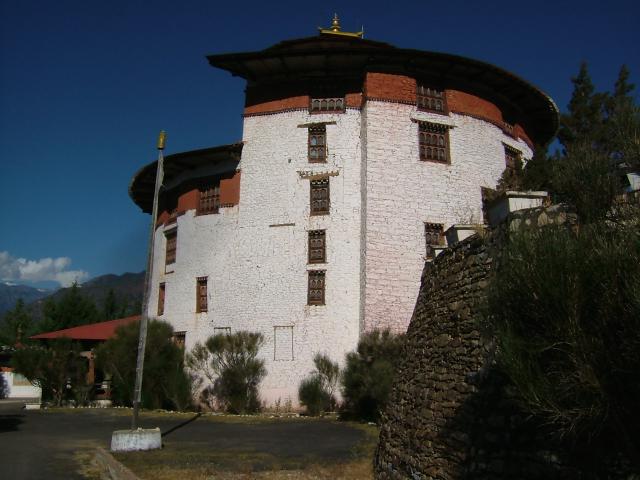
Drive to Paro, with time to visit Rinpung Dzong and Ta Dzong, the National Museum, or simply relax after more than two weeks of travel and trekking.
Elevation: 2,250m | Walking: 1-2 hours | Accommodation: Hotel | Meals: BLD
Your Classic Laya Trek concludes with a transfer to Paro International Airport for your onward flight, bringing this three-week journey to a close.
Elevation: 2,250m | Accommodation: Departure | Meals: B
Trek Difficulty & Physical Demands
The Classic Laya Trek is graded as challenging to strenuous. It is a genuine high-altitude trek requiring solid trekking fitness, prior camping-trek experience, and comfort with sustained effort over multiple weeks.
Elevation Profile
- Lowest point: Gasa Tshachu at 2,200m
- Highest point: Sinche La Pass at 5,005m
- Thirteen trekking days, several above 4,000m, with one crossing above 5,000m
Daily Walking Expectations
- Most trekking days run 5 to 7 hours, with the Sinche La crossing the most demanding single day
- Trails range from established forest paths to rocky, exposed terrain near the higher passes
- Pack horses or yaks carry camping equipment; trekkers carry only a daypack
Altitude Considerations
- Two dedicated acclimatization days are built in at Jangothang and Laya
- One pass above 5,000m is crossed on the trek’s most demanding day
- Altitude sickness is a genuine risk on this route; trekkers should stay alert to symptoms and communicate openly with their guide
Physical Fitness Requirements
- Strong cardiovascular fitness built up over at least 2-3 months of training
- Prior multi-day trekking or camping-trek experience at altitude is strongly recommended
- Comfort with 5-7 hour trekking days across thirteen consecutive trekking days
- No technical climbing skills required, but sure-footedness on uneven, sometimes icy terrain matters
Who This Trek Suits:
- Experienced trekkers seeking a genuine high-altitude Himalayan challenge without the extreme demands of the full Snowman Trek
- Travellers with at least one prior high-altitude trek under their belt
- Those drawn to remote village culture, particularly the Layap community of Laya
- Wildlife and landscape enthusiasts hoping to spot blue sheep, takin, or Himalayan marmots
- Anyone wanting to end a demanding trek with a genuine reward: a soak in natural hot springs
Best Time to Trek: Seasonal Comparison
Spring (March to May)
Rating: Excellent. Blooming rhododendrons and blue poppies at various elevations, alongside generally settled conditions on the higher passes by late April.
Advantages:
- Rhododendron and blue poppy blooms along the lower and mid-altitude trail
- Clear mountain views of Chomolhari and Jichu Drake
- Reasonably stable conditions for the Sinche La crossing
Disadvantages:
- Early spring (March) can still see snow on the higher passes
- Busier season on the Jangothang section shared with Jomolhari trekkers
Summer/Monsoon (June to August)
Rating: Not Recommended Monsoon rain makes river crossings and lower forest sections difficult, and cloud cover regularly obscures the trek’s mountain views.
Advantages:
- Lush, green lower valleys
- Fewer trekkers on the trail
Disadvantages:
- Muddy, difficult trail conditions, particularly in forested lower sections
- Persistent cloud cover at the higher passes
Autumn (September to November)
Rating: Excellent The most reliable season, with clear post-monsoon skies and stable conditions across all passes, particularly from mid-September through October.
Advantages:
- Best mountain visibility of the year
- Dry, stable trail conditions for the Sinche La crossing
- Comfortable daytime trekking temperatures
Disadvantages:
- Cold nights at high camps, particularly by November
- Popular season, so early booking is recommended
Winter (December to February)
Rating: Not Recommended Heavy snowfall closes Sinche La and other higher passes, making this route impassable for most of the winter.
Advantages:
- None recommended for this particular trek
Disadvantages:
- Passes typically closed by snow
- Extreme cold at high camps
Recommendation: Mid-September through October for the most reliable pass conditions and clearest mountain views. Late April to June is the best spring alternative, particularly for rhododendron blooms, once early-season snow has cleared from the passes.
Booking Your Classic Laya Trek – 22 Days
Step 1: Assess Your Fitness and Experience
This is a demanding high-altitude trek spanning thirteen trekking days. Prior multi-day trekking experience, ideally at altitude, is strongly recommended.
Step 2: Choose Your Season
Spring and autumn are the two viable windows. Decide between spring’s blooms and autumn’s clearer, more stable pass conditions.
Step 3: Secure Your Visa and SDF
All visitors must book through a licensed Bhutanese tour operator, who arranges your visa clearance letter and includes the Sustainable Development Fee in your package cost.
Step 4: Book International Flights
Paro is served by Druk Air and Bhutan Airlines from hubs including Kathmandu, Delhi, Kolkata, Bangkok, and Singapore. Book early for autumn dates, which sell out fastest.
Step 5: Arrange Travel Insurance
Confirm your policy covers high-altitude trekking up to at least 5,500m and includes emergency helicopter evacuation.
Step 6: Confirm Details and Deposit
A deposit of 30 to 50 percent is typically required to confirm your booking, with the balance due several weeks before departure.
Tips for First-Time Laya Trekkers:
- Begin a structured fitness routine at least two months before departure, prioritising cardio and hill walking with a loaded pack
- Break in your trekking boots thoroughly before you arrive
- Pack for a wide temperature range, from warm lower valleys to sub-zero nights at high camps
- Bring a swimsuit for the Gasa Tshachu hot springs, a genuine highlight at the trek’s end
Cost Details
Cost Includes
- 6 nights hotel accommodation (Paro, Punakha, Thimphu) and 16 nights full-service camping
- All meals throughout the trip
- Experienced English-speaking licensed Bhutanese trekking guide and full camp crew
- Pack horses or yaks for carrying camping and kitchen equipment
- Private vehicle transport for all transfers and sightseeing
- Airport pickup and drop-off in Paro
- Bhutan Sustainable Development Fee and Tourism Levy
- Trekking permits and national park fees
- Entry fees to dzongs, monasteries, and museums
- First aid kit and basic emergency oxygen carried by the guide
Cost Excludes
- International flights to and from Paro
- Travel insurance, including high-altitude and evacuation cover (compulsory)
- Bhutan entry visa fee (paid on arrival)
- Gratuities for guide, cook, and crew
- Personal trekking gear (sleeping bag, trekking poles, personal clothing)
- Personal expenses such as laundry, phone use, and souvenirs
- Emergency evacuation costs beyond what insurance covers
Trip Gallery
Final Thoughts:
The Classic Laya Trek offers something increasingly rare in the Himalaya: a genuinely demanding, multi-week wilderness trek that still ends in comfort, with a soak in natural hot springs before you’ve even left the trail behind. Thirteen days of trekking through some of Bhutan’s most dramatic high country, past Chomolhari, over Sinche La, and into the singular culture of Laya, are balanced by proper cultural time in Punakha, Thimphu, and Paro at either end.
It is a serious undertaking, and it should be treated as one, but for trekkers ready for it, the Classic Laya Trek delivers one of the finest extended treks anywhere in the Himalaya.
Your Adventure to Classic Laya Trek – 22 Days Starts Here
Start your journey with trusted local experts and discover the beauty, culture, and adventure waiting in the Himalayas and beyond.
Frequently Asked Questions
Everything you need to know about the AASRA ECO TREK
It is significantly less extreme. The Laya Trek crosses one pass above 5,000m compared to the Snowman Trek’s eleven and covers thirteen trekking days rather than twenty-four, though it remains a genuinely challenging high-altitude trek.
Yes. This trek crosses several passes above 4,000m, including one above 5,000m, and involves thirteen consecutive trekking days. Prior multi-day trekking experience, ideally at altitude, is strongly recommended.
Camping throughout the sixteen nights on the trekking and transition days, with a full crew handling tents, the kitchen, and pack animals, followed by hotel stays in Punakha, Thimphu, and Paro.
Dedicated acclimatization days are built in at Jangothang and Laya; guides are trained to recognize symptoms, and basic emergency oxygen is carried. Trekkers should discuss preventive medication such as Diamox with their doctor before departure.
Yes, and it must specifically cover high-altitude trekking and helicopter evacuation, not just general travel insurance.
Yes, a 12 to 18-day version covering the core Laya Gasa trekking route without the full cultural bookend days can be arranged for trekkers with less time.
A general guideline is USD 10-15 per day for the lead guide, with a shared pool of USD 8-12 per day per trekker for the cook and camp crew, given at the end of the trip.

Still have questions?
Can’t find the answer you’re looking for? Please chat to our friendly team.
Get In TouchSimilar Packages
Unbeatable Snowman Trek – 30 Days
5,350m
Max. Elevation
30 Days
Duration
Hard Level
Eastern Bhutan Tour – 15 Days
4,000m
Max. Elevation
15 Days
Duration
Moderate Level
Dragon Heart Experience – 14 Days
3,420m
Max. Elevation
14 Days
Duration
Moderate Level
We are associate with
