
 Plan Your Trip
Arun Valley Trek – 14 Days

Trip Overview

Trek Region
Makalu Barun

Difficulty Level
Moderate

Transport
Kathmandu–Tumlingtar (domestic flight); Lukla–Kathmandu (domestic flight)

Total Trip Duration
14 Days

Max Elevation
3,414m

Meals
Breakfast, Lunch & Dinner included
Trip Highlights
- Walk through the world’s deepest river gorge — the Arun Valley — cutting through the eastern Himalayan range between Mt. Everest and Mt. Makalu, two of the five highest mountains on Earth
- Experience one of Nepal’s most culturally diverse trekking corridors — passing through the ancestral villages of Rai, Limbu, Brahmin, Chhetri, Tamang, and Sherpa communities in a single continuous traverse
- Visit the sacred Salpa Pokhari lake (3,414m) — one of the holiest Hindu pilgrimage sites in eastern Nepal, set in a pristine alpine bowl surrounded by hemlock and fir forest and visited by thousands of pilgrims annually during the October full moon festival
- Cross the historic Salpa Bhanjyang (3,360m) — the traditional mountain pass between the Arun and Solu Khumbu regions, used for centuries as the main trading and pilgrimage route between eastern Nepal and Tibet
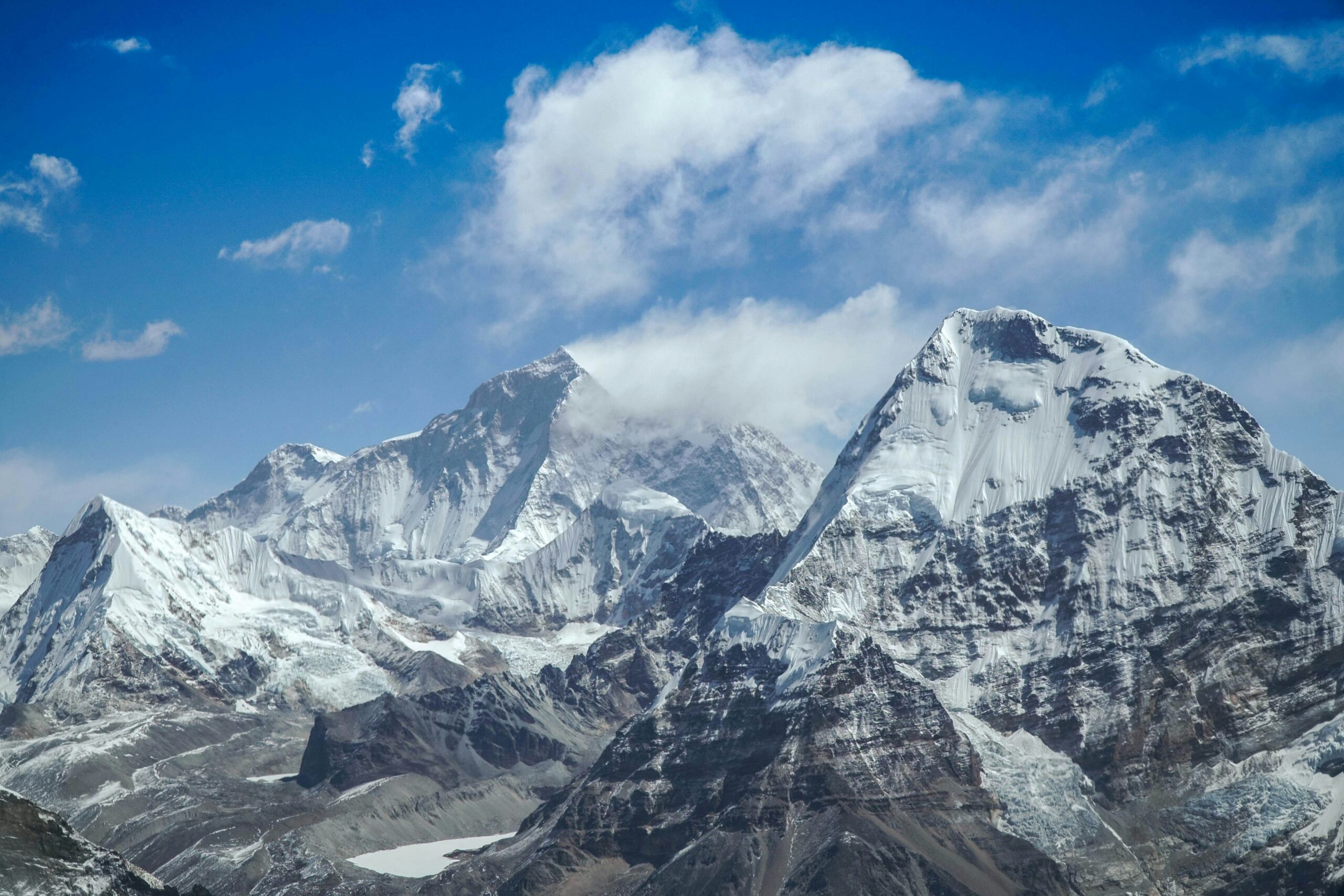
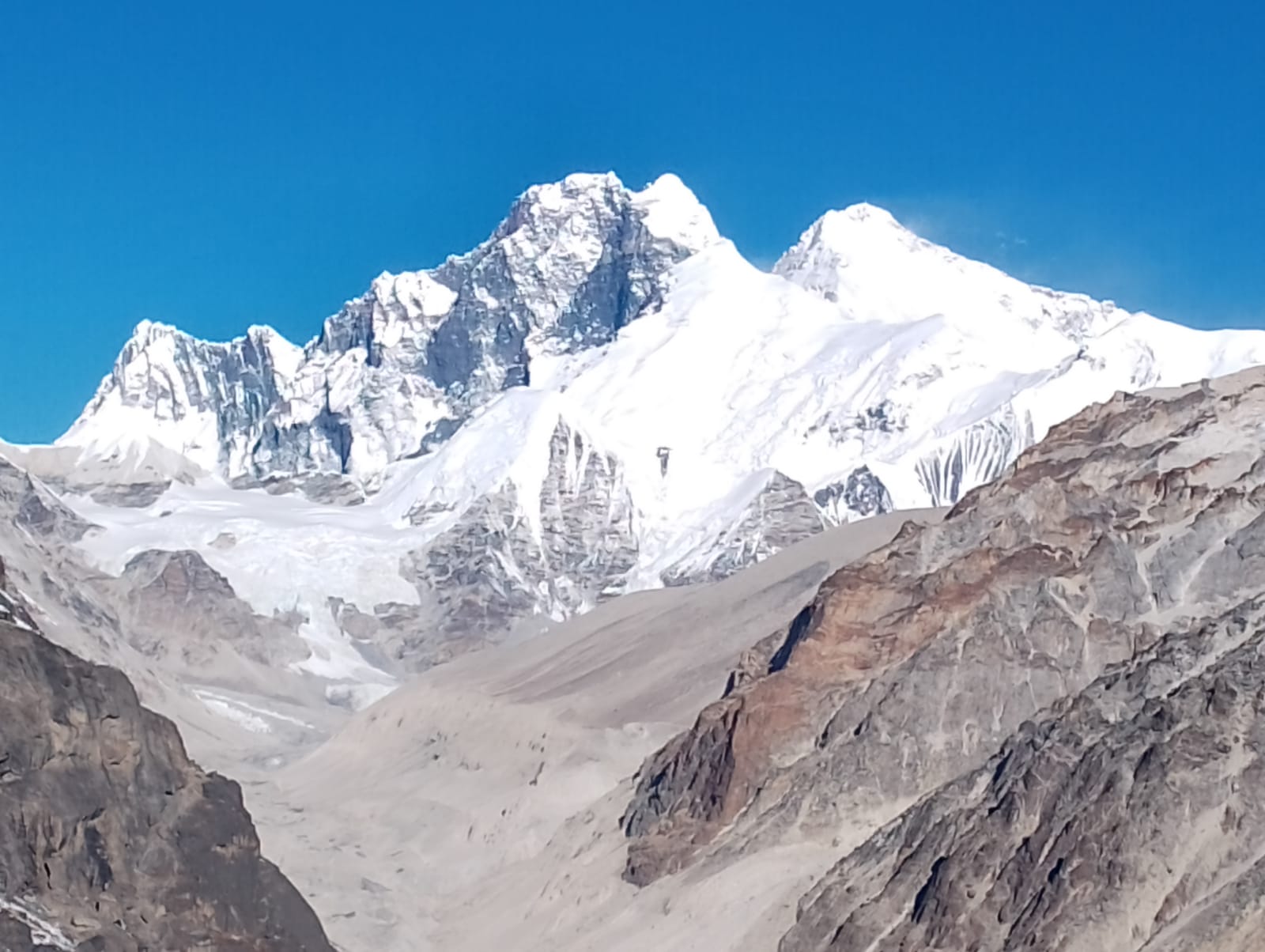
- Marvel at panoramic views of Makalu (8,481m), Chamlang (7,319m), Everest (8,848m), Lhotse (8,516m), and the entire eastern Himalayan chain from the high passes and ridgelines of the traverse
- Walk through the extraordinary ecological transition from subtropical Sal and bamboo forest at the Arun River level to high alpine rhododendron and fir forest at Salpa Bhanjyang — one of the greatest vertical biodiversity gradients in Nepal
- Discover ancient Rai and Limbu villages — the indigenous peoples of eastern Nepal whose animist, shamanic, and nature-based traditions represent some of the oldest living cultures in the Himalayan world
- Cross the Irkhuwa Khola, Hongu Khola, and multiple river tributaries on dramatic suspension bridges through deep jungle gorges
- Visit traditional paper factories in the mid-valley — where lokta bark paper has been hand-produced for centuries using traditional methods passed down through generations
- Trek through the remote Sherpa village of Bung (1,960m) and the high grasslands of Gai Kharka before crossing into the Khumbu trail system
- Arrive at Lukla — the gateway to the Khumbu Everest region — after approaching it from the eastern valley direction that very few trekkers today have ever used
- Travel an off-the-beaten-path route between two national parks — the Makalu-Barun National Park and Sagarmatha (Everest) National Park — through the protected ecological corridor that connects them
- Trek in genuine solitude on trails that see perhaps 1–2% of the trekker traffic of the Everest Base Camp route — experiencing the Himalayan world at its most unhurried and its most authentic
Trip Summary
Nepal has famous trekking routes and it has forgotten ones. The Arun Valley Trek belongs firmly to the second category a route that was once one of the primary pathways into the Khumbu Everest region before the Lukla airport changed everything in the 1960s, and that has been quietly extraordinary ever since, largely undiscovered by the trekking mainstream.
The Arun River is one of the oldest rivers in the world older than the Himalayas themselves, having cut its extraordinary gorge through the mountain range over millions of years as the peaks rose around it. The valley it has carved is recognized as the world’s deepest river gorge, descending from the Tibetan plateau at over 5,000m to the subtropical lowlands of eastern Nepal at barely 300m above sea level within a horizontal distance of less than 90 kilometers. Walking through this valley is walking through the full biological and cultural spectrum of the Himalayas from tropical jungle, through mixed forest and terraced farmland, through rhododendron highland, to high alpine meadow and finally into the Khumbu Everest world all in a single continuous journey.
This 14-day itinerary begins with a scenic 35-minute domestic flight from Kathmandu to Tumlingtar (390m) in the Sankhuwasabha district of eastern Nepal, follows the Arun River northward through the Rai and Limbu villages of the lower valley, crosses the legendary Salpa Bhanjyang (3,360m) and visits the sacred Salpa Pokhari lake, traverses the extraordinary mid-altitude transition zone through Sherpa and Rai settlements of the Solu Khumbu district, and finishes at Lukla for the flight back to Kathmandu crossing the full cultural and ecological breadth of eastern Nepal from the Arun to the Khumbu in one complete, unhurried journey.
The Arun Valley is not a high-altitude summit trek. It is something rarer a deeply cultural, ecologically extraordinary, and scenically spectacular traverse through the living world of eastern Nepal’s mountain communities, with panoramic views of Everest, Makalu, Lhotse, Chamlang, Kanchenjunga, and dozens of other Himalayan giants as the constant northern companion.
When To Visit
The Arun Valley Trek operates across a wider seasonal window than most high-altitude Nepal routes its maximum elevation of 3,414m at Salpa Pokhari is moderate enough to remain accessible through much of the year, and the subtropical lower valley sections are walkable in most seasons with the right preparation.
Spring (March to May) is one of the finest seasons for the full traverse. The rhododendron forests of the mid-altitude sections particularly the extraordinary corridor below Salpa Bhanjyang, are in spectacular full bloom from late March through April, painting the hillsides in red, pink, and white in one of the finest rhododendron flowering displays in eastern Nepal. The mountain views from the high passes are excellent. March and April offer the ideal combination of warm lower valley temperatures, blooming forest, and stable weather throughout. May becomes warmer and slightly hazier in the lower sections but remains fully enjoyable.
Autumn (September to November) is the peak trekking season and delivers the finest mountain visibility of the year. The monsoon clears the air completely and October brings the sharpest panoramic views from Salpa Bhanjyang, Gai Kharka, and Panggom La of the entire calendar. October also coincides with the Salpa Pokhari pilgrim festival the full moon of Kojagrath Purnima, which transforms the sacred lake area into one of eastern Nepal’s most vibrant and atmospheric annual gatherings. Trekkers who time their arrival at Salpa Pokhari for this festival witness one of Nepal’s most extraordinary off-the-beaten-path cultural events. November offers continued excellent conditions with noticeably fewer other visitors.
Winter (December to February) is possible for the lower Arun Valley sections but the Salpa Bhanjyang pass accumulates snow from December onward and the trail becomes challenging or potentially impassable in heavy snow years. The lower valley villages below 2,000m remain fully accessible year-round, and winter trekking between Tumlingtar and Phedi is peaceful and beautiful. The full traverse including Salpa Bhanjyang is only recommended in winter for experienced cold-weather trekkers with crampons and cold-weather equipment.
Monsoon (June to August) is manageable in the lower Arun Valley sections — the subtropical forest is at its most intensely lush and green, and the valley communities are at their most productive with the rice cultivation season in full swing. The Salpa Bhanjyang crossing becomes slippery and demanding in heavy rain and the mountain views are frequently obscured. An interesting season for trekkers who specifically want the monsoon forest experience, but not recommended for the full traverse.
Itinerary
Welcome to Nepal. Our team meets you at Tribhuvan International Airport and transfers you to your hotel in Kathmandu. In the evening, your trekking guide joins you for a thorough pre-trek briefing covering the complete 14-day route section by section, the ecological and cultural context of the Arun Valley traverse, altitude profiles for each stage, permit requirements, gear checks, and the logistics of tomorrow’s domestic flight to Tumlingtar and the subsequent road transfer and first walking stage.
The briefing includes cultural background on the Rai, Limbu, and Sherpa communities you will be walking through their distinct histories, their spiritual traditions, their relationship with the Arun Valley landscape, and the etiquette of engaging respectfully with communities that see very few foreign visitors. Understanding who you are walking among makes the Arun Valley Trek a fundamentally richer experience.
If you arrive early and the city calls, a short walk to the great Boudhanath Stupa the massive white dome that anchors Kathmandu’s Tibetan Buddhist community, or a wander through Thamel’s lively lanes sets the tone for the cultural journey ahead. Overnight in Kathmandu.
An early morning departure from Tribhuvan Airport for the scenic 35-minute domestic flight to Tumlingtar Airport (390m) a small airstrip perched on a broad plateau above the confluence of the Arun and Sabha rivers in the Sankhuwasabha district of eastern Nepal. The flight itself is spectacular on a clear morning the entire eastern Himalayan chain, from Kanchenjunga to Cho Oyu, visible along the northern horizon as the plane crosses the middle hills of Nepal.
Tumlingtar sits in a warm, subtropical climate that feels dramatically different from Kathmandu broader skies, rice paddies, tropical forest edges, and the wide, slow sweep of the Arun River visible below the plateau. After meeting your porter team and completing final logistics, a short drive of approximately one hour takes you to Kumal Gaon the standard trailhead for the Arun Valley trek’s first walking day.
From the trailhead, the trail descends to the eastern bank of the Arun River and crosses on a suspension bridge your first crossing of the river that will accompany you northward for the next several days. The trail then heads through forested riverbank terrain, passing through the small villages of Bheteni and Chewabesi, where rice paddies and millet fields line the path between stands of tropical vegetation.
Kartike (820m) is a small settlement on the Arun River bank where the first teahouse cluster provides overnight accommodation. The sound of the river through the night the Arun moves fast here, fed by Tibetan snowmelt far above is the first distinctive sound of the Arun Valley world. Walking time: 4–5 hours.
The second day settles into the rhythm of Arun Valley walking a trail that moves northward along the river, alternating between forested riverbank sections, terraced hillside farmland, and the small villages that have sustained life in this valley for centuries.
The trail from Kartike continues upstream along the Arun River, crossing through areas of dense tropical vegetation sal forest giving way to stands of bamboo, banana trees, and the kind of richly layered subtropical forest that is immediately and entirely different from anything found on the Khumbu or Langtang trails. Manduwa a Rai village set in terraced farmland above the river, is a natural morning rest stop, where the community’s traditional wooden houses, hand-carved window frames, and the distinctive dress and jewelry of Rai women give you a strong first introduction to the culture of this eastern valley.
The trail continues along the riverbank and climbs gently to Gothe Bazaar (1,128m) a modest but well-established small market town on the Arun River that serves the surrounding valley communities. This area is famous throughout eastern Nepal for Rudraksha beads the sacred reddish-brown seeds used in Hindu and Buddhist prayer garlands and jewelry and local collectors are sometimes seen sorting beads in front of their homes along the trail. An atmospheric and culturally layered overnight stop. Walking time: 5–6 hours.
From Gothe Bazaar the trail continues its northward passage through the deepening valley. The route crosses the Irkhuwa Khola one of the major Arun tributaries on a suspension bridge and enters the Irkhuwa River valley, a narrowing forested gorge whose walls rise steeply on both sides and whose river runs cold, clear, and fast below the trail.
The Irkhuwa valley section is one of the finest forest walks of the entire trek. Dense mixed subtropical forest oak, alder, tree fern, bamboo, and wildflowers in the undergrowth lines both sides of the trail as it climbs gently along the river. This is excellent birdwatching habitat the Arun Valley falls within one of the most biodiverse bird corridors in Asia, and the forest sections between Gothe Bazaar and Dobane are particularly rich with hornbills, sunbirds, laughing thrushes, and dozens of other species visible to a patient observer.
The trail passes through Rai and Limbu settlements Limbu villages are immediately recognizable by their distinctive architecture, the carved wooden pillars of the traditional Limbu meetinghouse (Phedangma), and the women’s elaborate silver jewelry worn for daily life rather than special occasions. The warmth of the welcome in these communities, where a foreign trekker is still a genuinely uncommon sight is entirely genuine and entirely memorable.
Dobane (1,070m) is a small settlement at the confluence of the Irkhuwa and another Arun tributary, where a handful of teahouses provide overnight accommodation and local families sometimes cook additional dishes outside the standard teahouse menu. Walking time: 5–6 hours.
The trail begins its long, gradual climb away from the Arun River system and toward the high ridge country of the Salpa Bhanjyang the ancient pass between the Arun drainage and the Solu Khumbu world to the west. Today’s stage climbs steadily and consistently, gaining nearly 650m of altitude from Dobane through the narrowing valley system.
From Dobane the route continues along the Irkhuwa Khola through increasingly dense forest — the subtropical species of the lower valley giving way progressively to oak, chestnut, and the first scattered rhododendron as altitude is gained. The trail crosses several small streams and passes through the scattered hamlet of Phedi before arriving at its overnight stop, also variously called Salpa Phedi the “foot of the Salpa pass” in Nepali, a name that signals exactly what lies ahead tomorrow and the day after.
The forest in this section is genuinely beautiful and genuinely wild the Arun Valley corridor between the two national parks carries one of the finest intact forest ecosystems in eastern Nepal, and the transition from subtropical to temperate species that unfolds through this day’s walking is one of the most visually striking ecological sequences of the entire traverse. Small waterfalls cascade from the hillsides, tree ferns grow to impressive heights in the moist ravines, and the sound of the river below grows gradually more distant as the trail climbs away from the valley floor. Walking time: 5–6 hours.
One of the most sustained climbing days of the entire traverse and one of the most beautiful. From Phedi the trail ascends nearly 800m in altitude through a corridor of increasingly magnificent forest the oak and chestnut of the mid-elevations giving way to tall birch trees, rhododendron of growing variety and size, and eventually the misty, lichen-draped atmosphere of the upper forest zone as Gurase Bhanjyang approaches.
The gradient is consistent and demanding throughout the morning a long, honest climb that tests legs and lungs but rewards every meter gained with progressively more dramatic forest and progressively wider views of the surrounding hill country. At intervals along the trail, clearings in the forest offer the first distant glimpses of snow peaks to the north the massive profile of Makalu (8,481m) appearing above the ridge, then Chamlang (7,319m) to its east, building slowly into the panorama that will dominate the skyline from Salpa Bhanjyang tomorrow.
Gurase Bhanjyang (2,500m) is a small ridge-top settlement and tea stop at the upper limit of the oak forest the last significant habitation before the high pass country above. The air here is noticeably cooler and crisper than the lower valley, and the forest has taken on the quiet, mossy character of the cloud forest zone. A good dinner and an early night the finest day of the entire trek begins tomorrow. Walking time: 6–7 hours.
The finest day of the entire Arun Valley Trek and one of the most culturally and scenically complete walking days on any trail in eastern Nepal.
From Gurase Bhanjyang the trail climbs steadily through the upper rhododendron forest the trees now gnarled and ancient, draped in silver-green moss and old man’s beard lichen, the undergrowth thick with dwarf bamboo and high-altitude wildflowers. The forest has a quiet, reverent quality that feels consistent with the sacred landscape it protects.
After approximately two hours from Gurase, the rhododendron forest opens briefly and the sacred Salpa Pokhari lake (3,414m) appears in a natural alpine bowl a pristine, mirror-still lake set in a ring of hemlock and fir trees at the heart of the Salpa ridge. Salpa Pokhari is one of the most sacred natural sites in eastern Nepal revered by local Hindu communities as the dwelling place of deities and visited annually by thousands of pilgrims from across the Sankhuwasabha and Solu Khumbu districts during the full moon of October (Kojagrath Purnima). During the festival, the remote hillsides around the lake fill with pilgrims who have walked for days to bathe in the sacred water, conduct puja ceremonies at the lakeside shrine, and mark the occasion with music and celebration that carries across the high forest for miles.
Outside the festival season which is when most trekkers visit, the lake is completely still, its surface reflecting the surrounding trees and the sky above, and the silence broken only by occasional birdcalls and the wind in the fir tops. Sit for a while here. This is a genuinely sacred and genuinely beautiful place.
The trail then climbs briefly from Salpa Pokhari to the Salpa Bhanjyang pass (3,360m) marked by a cluster of prayer flags and stone chortens, and opening onto one of the most dramatic mountain panoramas of the entire traverse. Makalu (8,481m) and Chamlang (7,319m) dominate the northern view, massive and close. To the west, the ridgelines of the Solu Khumbu and the distant glimmer of the Khumbu glaciers mark the direction of the rest of the traverse.
The descent from Salpa Bhanjyang to Sanam (2,850m) drops steeply through beautiful mixed forest, passing carved mani walls, spinning prayer wheels, and chortens that mark the transition into the Sherpa cultural zone of the Solu Khumbu. Sanam is a lovely traditional Sherpa village of traditional stone houses, terraced barley and potato fields, and the warm hospitality of a community that sits at the junction of the Arun and Khumbu trading worlds. Walking time: 6–7 hours.
From Sanam the trail descends into the Hongu Khola valley a long, dramatic descent through rhododendron and then mixed deciduous forest, losing over 900m of altitude in a single day. The trail passes through the settlement of Guidel and crosses the Hongu Khola river at the valley bottom on a suspension bridge before climbing back up to Bung (1,960m) on the opposite hillside.
This pattern — steep descent, river crossing, steep climb is the defining physical character of the Solu Khumbu trail system, and the Bung stage is one of the finest examples. The landscape through which you descend from Sanam is extraordinarily lush the forest floor thick with ferns and mosses, waterfalls visible on the far valley walls, and the river audible far below long before the bridge crossing brings you to it.
Bung (1,960m) is a significant settlement in the Solu Khumbu district a village of mixed Sherpa, Rai, and Tamang population spread across a broad hillside terrace. The village has a beautifully positioned old Buddhist gompa above the main settlement worth visiting in the afternoon, and the surrounding fields of millet, maize, and vegetables give the village a productive, grounded agricultural character that contrasts pleasantly with the high wilderness of the Salpa pass section. The view of the surrounding ridgelines from Bung at sunset the Arun valley behind you, the Khumbu country ahead is quietly spectacular. Walking time: 6–7 hours.
A long and varied climbing day that takes the traverse from the mid-altitude valley world of Bung to the high grasslands of the Gai Kharka transition that moves through multiple forest zones and several distinct cultural landscapes in a single walking day.
From Bung the trail climbs northward through the forest, passing through several small hamlets and crossing the Sanu Khola before ascending steeply to the settlement of Gai Kharka (3,010m) whose name in Nepali simply means “cow pasture,” an entirely accurate description of the wide, open, grassy plateau that defines the upper section of today’s climb.
En route the trail passes through Share village where an ancient Buddhist gompa sits beside an enormous rock carved from floor to ceiling with Buddhist mantras, one of the most striking examples of traditional stone-carved sacred art in the eastern Khumbu region. A traditional lokta bark paper factory operates near Share one of the few remaining examples of this ancient Nepali craft, where the fibrous inner bark of the Daphne shrub is hand-processed into the distinctive, naturally textured paper used for religious manuscripts, official government documents, and traditional artwork for centuries.
The Surke La Pass (2,290m) is crossed during this stage a forested saddle that marks the division between the Hongu and Surke valley systems before the final climb to the open plateau of Gai Kharka. The grasslands here support year-round grazing by cattle and yaks, and in the autumn the herders’ stone shelters are occupied and the plateau is alive with animals. The mountain views from the Gai Kharka plateau of Karylung Peak, Kongde Ri, and on the clearest days the distant profile of Ama Dablam are the first genuinely Khumbu-scale panoramas of the entire traverse. Walking time: 6–7 hours.
The final high-pass crossing of the traverse and the day the Khumbu world comes fully into view. From Gai Kharka the trail climbs to the Panggom La Pass (3,174m) a broad, well-marked saddle in the ridgeline that has served for centuries as the divide between the Solu Khumbu and the lower Khumbu trail system.
The ascent to Panggom La from Gai Kharka is through open alpine scrubland juniper and dwarf rhododendron, scattered rock outcroppings, and the widening panorama of the eastern Himalayan chain building to the north. At the pass itself, prayer flags mark the crossing and the view opens decisively Kongde Ri (6,187m) directly ahead, the Dudh Koshi River valley visible below, and the trail system that leads to Namche Bazaar and the Khumbu Everest region descending before you.
This is the moment the traverse makes its final statement you have walked from the subtropical Arun River valley, crossed the Salpa ridge with its sacred lake, traversed the mid-altitude cultural landscape of the Solu Khumbu, and arrived at the high ridgeline that looks directly into the most famous trekking landscape in the world. The journey from east Nepal to the Khumbu, accomplished on foot through terrain that Everest region trekkers arriving by plane from Lukla never see, carries a particular and satisfying completeness.
The descent from Panggom La to Paiya (2,730m) is steep and forested the trail dropping through rhododendron and then denser mixed forest to the small settlement of Paiya, where a handful of teahouses and guesthouses serve the small number of trekkers who approach Lukla from this eastern direction. Walking time: 6–7 hours.
The final walking day of the Arun Valley traverse a climb through the forested hillside above Paiya and then a steady ascending traverse through the cultural landscape immediately east of Lukla, arriving at the famous mountain airstrip from its least-traveled approach direction.
The trail from Paiya climbs through mixed forest and then crosses open hillside terrain with excellent views of the Khumbu peaks before reaching Cheplung, one of the first Sherpa villages of the lower Khumbu and then continuing on the well-worn trail to Lukla (2,840m).
Arriving at Lukla home of the famous Tenzing-Hillary Airport and the most iconic mountain airstrip in the world from the eastern valley direction rather than via helicopter or the standard Phakding trail carries a very specific and deeply satisfying feeling. You have walked here from the Arun River. You have crossed the Salpa Bhanjyang. You have come through the forest and the passes and the villages of eastern Nepal on a route that the vast majority of the tens of thousands of people who pass through Lukla annually have never walked and may never know exists.
Spend the evening in Lukla celebrating with your guide and porter team over a warm dinner. The familiar bakeries, trekking gear shops, and teahouse restaurants of Lukla feel like a well-earned arrival. Walking time: 4–5 hours.
An early morning flight from Tenzing-Hillary Airport in Lukla back to Kathmandu — the same famous mountain airstrip whose short, sloping runway and dramatic approach between the valley walls has made it the most photographed and most discussed small airport in the world. Mountain flights at Lukla are subject to weather and flexibility around departure times is always required.
Back in Kathmandu, transfer to your hotel and spend the day as you choose. The city feels extraordinary after 10 days in the Arun Valley and Solu Khumbu louder, warmer, more colorful, and more alive than it did when you left. A long lunch, a proper coffee, a visit to Boudhanath or the Durbar squares, or simply sitting somewhere quiet with the walk behind you and the mountains already settling into the particular kind of memory that the finest journeys always become. Flight time: 30–35 minutes.
A practical buffer day built into the itinerary for the very common occurrence of Lukla flight delays due to mountain weather. If your flight returned on schedule, you have a full free day in one of Asia’s most culturally rich cities.
Kathmandu is a UNESCO World Heritage city in its own right and the full day allows a proper exploration of its finest sites. Pashupatinath Temple on the Bagmati River is the holiest Hindu site in Nepal — a complex of golden-roofed temples, active cremation ghats, wandering sadhus, and layered devotional atmosphere that rewards hours of unhurried wandering. Patan Durbar Square across the river in Lalitpur showcases the most refined examples of Newari temple architecture and woodcarving in the valley. Bhaktapur a 45-minute drive east is a medieval city of astonishing architectural and cultural preservation where the potters’ quarter, the 55-window palace, and the Nyatapola pagoda make it perhaps the finest single day of cultural sightseeing available anywhere in Nepal.
Or use the day more simply shop in Thamel, eat at the restaurants you have been looking forward to for two weeks, book a traditional Nepali cooking class, or simply rest in the particular and pleasurable exhaustion of a journey well completed. Overnight in Kathmandu.
Your 14-day Arun Valley Trek comes to a close. Our team transfers you to Tribhuvan International Airport for your onward journey. You leave Nepal having walked one of the most underrated and most authentic routes in the country through the world’s deepest river gorge, past the sacred lake of Salpa Pokhari, across the ancient trading pass of Salpa Bhanjyang, and through the living cultural heritage of the Rai, Limbu, and Sherpa peoples of eastern Nepal finishing at Lukla with the Khumbu Himalayan range as your final view and the full breadth of Nepal’s eastern hill country behind you.
Trek Difficulty & Physical Demands
The Arun Valley Trek is rated moderate — accessible to fit trekkers without prior high-altitude experience while offering enough daily variety and physical demand to satisfy experienced walkers as well.
Altitude: The maximum elevation of 3,414m at Salpa Pokhari is well within the range manageable by most healthy adults, and the gradual altitude gain over the first six days of the traverse provides natural acclimatization that makes the Salpa section comfortable for almost all fit trekkers. Mild altitude symptoms are possible at and above 3,000m but are far less common than on the Khumbu or Annapurna routes.
Terrain variety: The Arun Valley traverse encompasses a genuinely extraordinary range of terrain — from flat river bank paths and rice paddy trails at the Tumlingtar level, through steep forested gorge trails in the Irkhuwa valley, to sustained mountain climbing through rhododendron forest approaching Salpa Bhanjyang, and open highland grassland and ridgeline walking in the Gai Kharka and Panggom La section. This variety makes the walking continuously interesting but also means no two days feel the same.
Daily walking: Expect 5–7 hours of walking per day from Day 5 onward — the lower valley days are somewhat shorter and the mid-altitude pass and descent days are longer. The steepest single days are the climb to Gurase Bhanjyang (Day 6) and the full Salpa Pokhari and Bhanjyang crossing day (Day 7), both requiring sustained uphill effort of 6–7 hours.
Remoteness factor: The Arun Valley traverse passes through sections with very basic or no teahouse accommodation — particularly in the lower valley between Tumlingtar and Phedi. Some nights may be in community lodges, simple family guesthouses, or small camping setups rather than standard trekking teahouses. This adds to the authentic character of the trek but requires realistic expectations about comfort levels.
Physical fitness: A solid base of hiking fitness — comfortable walking for 5–6 hours on uneven, hilly terrain — is the appropriate preparation. The lower valley sections are not technically demanding but the sustained climbing days from Day 5 to Day 7 require cardiovascular capacity. 6–8 weeks of regular hiking or walking before departure is ideal preparation. Prior trekking experience in Nepal is helpful but not required.
First-time trekkers: The Arun Valley Trek is suitable for fit first-time Himalayan trekkers who are comfortable with basic camping or simple guesthouse accommodation and have realistic expectations about the remoteness and simplicity of some sections. It is not the trek for people who require comfortable teahouse infrastructure at every stage — but it is an exceptional first Nepal experience for adventurous trekkers who want genuine cultural immersion and authentic mountain community contact.
Best Time to Trek: Seasonal Comparison
| Season | Months | Weather | Forest / Scenery | Views | Recommended |
| Spring | Mar–May | Warm & Stable | Spectacular (rhododendron) | Excellent | Best |
| Monsoon | Jun–Aug | Wet & Humid | Lush Green | Limited | Lower valley only |
| Autumn | Sep–Nov | Cool & Clear | Beautiful | Outstanding | Best |
| Winter | Dec–Feb | Cold | Bare forests | Good (lower) | Below pass only |
Pro tip: If you want the single finest possible combination of mountain views from Salpa Bhanjyang, the sacred atmosphere of Salpa Pokhari, comfortable trail conditions throughout, and the vibrant colours of the lower valley harvest season, aim for mid-October. If the rhododendron forest is your primary draw, early April is the ideal time. Both windows place you in the Arun Valley at the peak of its seasonal beauty.
Special note for October: The Salpa Pokhari full moon festival (Kojagrath Purnima) transforms the normally quiet lake area into a gathering place for thousands of Hindu pilgrims from across the Sankhuwasabha and Solu Khumbu districts. If your trek coincides with this full moon in October, you will witness one of Nepal’s most remarkable yet least-known cultural events. Consider planning your itinerary around it if experiencing local traditions is one of your main reasons for doing this trek.
Booking Your Arun Valley Trek – 14 Days
Step 1 — Contact us. Reach out via our website, email, or WhatsApp with your preferred travel dates and group size. We respond within 24 hours with the complete day-by-day itinerary and full cost breakdown.
Step 2 — Confirm your booking. A 20% deposit secures your dates. We immediately process all permits, book both domestic flight legs (domestic flights in Nepal fill quickly — early booking is particularly important for October), arrange the Tumlingtar ground transfer, and assign your regional guide.
Step 3 — Prepare. We send a comprehensive pre-departure guide covering fitness preparation, complete gear list, cultural notes on the Rai, Limbu, and Sherpa communities of the Arun Valley, water and food safety specific to the lower valley, altitude awareness for the Salpa section, and day-by-day expectations for all 14 days. If you are planning to be at Salpa Pokhari during the October festival, we advise on accommodation booking for this period.
Step 4 — Arrive in Kathmandu. We collect you from the airport, brief you fully on the entire traverse route with particular emphasis on the lower valley sections where the trail is less standardized, and help with any last-minute gear needs. The domestic flight to Tumlingtar departs early the following morning.
Step 5 — Trek. Your licensed guide leads you from Tumlingtar to Lukla through every stage of the Arun Valley traverse, with full logistical support throughout.
Step 6 — Pay the balance. The remaining 80% is due on arrival in Kathmandu before departing for Tumlingtar.
Cancellation Policy:
- 30+ days before departure: Full deposit refunded minus bank transfer charges and non-refundable domestic flight bookings
- 15–29 days before: 50% refund of deposit minus flight costs
- Less than 15 days: Deposit forfeited, no refund
- Note: Domestic flight bookings are non-refundable once ticketed — we advise booking refundable international flights when selecting this trek
Important: Travel insurance with emergency helicopter evacuation coverage is mandatory. While the Arun Valley Trek reaches a moderate maximum altitude, the lower valley sections are remote and road access for a medical emergency is unavailable for most of the trek’s duration. An emergency helicopter from the Arun or Solu Khumbu section costs USD 3,000–6,000 or more.
Cost Details
Cost Includes
- Airport pick-up and drop-off in Kathmandu
- Kathmandu–Tumlingtar domestic flight (one way)
- Lukla–Kathmandu domestic flight (one way)
- Kumal Gaon trailhead ground transfer from Tumlingtar (private vehicle)
- 1 night hotel accommodation in Kathmandu on arrival (bed & breakfast, 3-star)
- All teahouse and local lodge accommodation during the trek (10 nights)
- Camping equipment for sections without teahouse accommodation (if applicable)
- All meals during the trek — breakfast, lunch, and dinner every day on trail
- Experienced, English-speaking, government-licensed trekking guide with eastern Nepal regional expertise
- One porter for every two trekkers (maximum 15 kg per porter load)
- All required trekking permits:
- Makalu-Barun National Park / Conservation Area Entry Permit (where applicable)
- Sagarmatha National Park Entry Permit (Khumbu section)
- TIMS Card
- Guide and porter wages, meals, accommodation, and full insurance
- All government taxes and local charges
- Sleeping bag rental (if needed)
- Duffel bag for porter
- First Aid Kit carried by guide throughout
- Emergency evacuation arrangement (cost covered by your travel insurance)
Cost Excludes
- Nepal entry visa fee (approx. USD 50 for 30 days — obtainable on arrival at Kathmandu airport)
- International flights to and from Kathmandu
- Travel insurance with emergency helicopter evacuation coverage (mandatory)
- Meals in Kathmandu beyond breakfast
- Hot showers, Wi-Fi, and device or battery charging along the trek (charged at local rate)
- Personal snacks, bottled water, energy drinks, and alcoholic beverages
- Tips and gratuity for guide and porter (strongly recommended)
- Personal trekking gear and clothing
- Extra nights in Kathmandu beyond the planned itinerary
- Helicopter rescue costs (covered by personal travel insurance)
- Entry donations at gompas and shrines along the trail
- Salpa Pokhari lake festival accommodation (October pilgrim season requires advance booking)
- Personal expenses — laundry, souvenirs, phone calls, and incidentals
Trip Gallery
Trek Essentials
- Thermal base layer top and bottom — 2 sets
- Mid-layer fleece or softshell jacket
- Light to medium down jacket or insulated layer — essential at Salpa Bhanjyang and Gai Kharka
- Waterproof, windproof hardshell jacket and trousers — important for the high pass sections and any rain in the lower valley
- Trekking trousers — 2 to 3 pairs
- Lightweight cotton or synthetic shirts for the warm lower Arun Valley sections — the subtropical lower valley is genuinely warm and standard trekking base layers are too hot for the first two days
- Trekking socks, wool or synthetic — 4 to 5 pairs
- Light gloves for the Salpa Bhanjyang and Panggom La ridge sections
- Warm beanie or wool hat
- Sun hat with brim — essential in the open lower valley
- Neck gaiter or buff
- Waterproof, ankle-support trekking boots — broken in before the trek. The lower valley trail sections involve river crossings, muddy paths, and stream fords that demand waterproof footwear throughout.
- Lightweight sandals or flip-flops — strongly recommended for the warm lower valley evenings at teahouses; also useful for stream crossings where available
- Gaiters — useful in the monsoon or early spring for muddy lower trail sections
- Trekking poles — strongly recommended for the sustained descents from Salpa Bhanjyang and the Panggom La approach
- Daypack (20–25 liters) for daily trail essentials
- Duffel bag (60 liters) for your porter
- Sleeping bag rated to -10°C — Salpa Bhanjyang area nights are cold and some local lodges have basic insulation
- Headlamp with spare batteries
- Sunglasses with UV400 protection
- Water bottle (2 liters) — the lower valley is warm and hydration requirements are higher than on cooler high-altitude routes
- Water purification tablets or personal filter — essential throughout the lower Arun Valley where water sources are not always reliably treated
- Insect repellent — the lower Arun Valley subtropical sections have mosquitoes and other insects particularly in warm months; this is the one section of any Aasra Eco Trek where insect repellent is a genuine priority
- Personal first aid kit — blister pads, ibuprofen, bandages, antiseptic cream, wound closure strips
- Oral rehydration salts and anti-diarrheal medication — the lower Arun Valley’s remote water sources and simple food preparation at basic local lodges make gut health precautions more relevant here than on the Khumbu trails
- Sunscreen SPF 50+ and SPF lip balm — important at the high passes and reflected from snow at Salpa Bhanjyang
- Hand sanitizer and biodegradable wet wipes — particularly important given the limited washing facilities in the lower valley sections
- Diarrhea medication and oral rehydration salts
- Diamox (acetazolamide) — generally not required for this trek given the moderate maximum altitude, but worth consulting your doctor if you have any prior altitude sensitivity history
- All personal prescription medications for the full 14-day duration
- Valid passport with at least 6 months remaining validity
- Nepal visa (obtainable on arrival at Kathmandu airport)
- Printed travel insurance policy with emergency evacuation details
- 2 passport-sized photos for permit processing
- Emergency contact card on your person throughout
Final Thoughts:
The Arun Valley Trek is the kind of route that experienced Nepal trekkers discover and then spend years recommending quietly to the right people — those who are ready to trade the crowds and the infrastructure comfort of the famous routes for something that costs more in terms of logistical effort but gives back immeasurably more in terms of authentic experience.
Walking the world’s deepest river valley is not a metaphor on this trek — it is a physical, ecological, and cultural reality that unfolds gradually and completely over 10 days of walking. The Arun River is older than the mountains it flows through. The communities along its banks have been living between Everest and Makalu for centuries without the intervention of trekking infrastructure, airport connectivity, or commercial trail development. The Rai and Limbu peoples of the lower valley maintain animist and shamanic traditions that pre-date Buddhism and Hinduism in these hills. The Salpa Pokhari lake has been sacred since before anyone thought to record it.
Coming through all of this on foot gradually, over days, on trails that most Nepal trekkers have never walked and arriving finally at Lukla from the east, the way the great early Himalayan explorers arrived, is not just a good trek. It is a correction of perspective. A reminder of how much of Nepal exists beyond the famous routes. A reminder that the most extraordinary journeys are often the ones that fewer people have thought to take.

Your Adventure to Arun Valley Trek – 14 Days Starts Here
Start your journey with trusted local experts and discover the beauty, culture, and adventure waiting in the Himalayas and beyond.
Frequently Asked Questions
Everything you need to know about the AASRA ECO TREK
The Arun Valley’s relative obscurity is primarily a result of infrastructure history. Before the Lukla airport opened in 1964, the Arun Valley was the primary approach route for expeditions heading to Everest and Makalu — Sir Edmund Hillary and Tenzing Norgay’s 1953 Everest expedition walked through these valleys. Once Lukla opened and flights became possible, the longer valley approach was abandoned almost overnight by the mainstream trekking industry. The Arun Valley has remained essentially unchanged since then — the same communities, the same trails, the same biodiversity, and the same extraordinary scenery — simply unknown to most of the trekking world.
It is genuinely both —and the combination is what makes it exceptional. The lower Arun Valley sections from Tumlingtar to Phedi are primarily cultural extraordinary encounters with Rai, Limbu, and Brahmin communities in their ancestral homeland, walking ancient trade routes through subtropical forest and terraced farmland. The Salpa Bhanjyang section is primarily mountain scenery panoramic views of Makalu, Chamlang, and the eastern Himalayan range from the sacred lake and high pass. The Solu Khumbu descent section combines both. The full 14-day traverse offers a blend of cultural depth and mountain drama that neither the standard EBC route nor a purely cultural circuit in the Kathmandu Valley can fully match.
The permits depend on the sections walked. The lower Arun Valley section requires a Makalu-Barun Conservation Area Permit (approx. USD 20–30 for the conservation area buffer zone). The Solu Khumbu and Lukla section requires a Sagarmatha National Park Entry Permit (approx. USD 34). A TIMS Card is required throughout. All permits are included in the package price and arranged on your behalf before departure from Kathmandu
The accommodation situation on the Arun Valley traverse is more variable than on the Khumbu or Langtang trails. The Solu Khumbu section from Sanam onward has standard teahouses. The lower Arun Valley sections from Tumlingtar to Phedi have a mix of very simple local teahouses, community lodges, and family guesthouses comfortable in the sense of clean bedding and local food, but not the standard teahouse infrastructure of the Khumbu. Camping is an option throughout and may be preferred by trekkers who want complete flexibility. We can arrange full camping for any section of this trek on request.
Yes. Travel insurance with emergency helicopter evacuation coverage is mandatory. The lower Arun Valley is remote and road-based emergency access is not available. A helicopter rescue from the Arun Valley section costs USD 3,000–6,000 or more.
The Salpa Pokhari lake festival falls on the full moon of Kojagrath Purnima typically in October. On and around this day, thousands of Hindu pilgrims from the Sankhuwasabha and Solu Khumbu districts make the journey to the sacred lake to bathe in its waters, conduct puja ceremonies, and mark the occasion with music, prayer, and community gathering. For trekkers interested in living religious pilgrimage traditions, this is one of the most extraordinary and least-commercialized festival experiences available anywhere in Nepal. The festival does not require any special preparation to witness — you simply need to be at Salpa Pokhari on the right day, which requires timing your departure from Kathmandu accordingly. We coordinate this for groups who specifically request it.
The Arun Valley ecological corridor between the Makalu-Barun and Sagarmatha national parks is one of the most biodiverse in Nepal. The lower valley sections are exceptional for birdwatching over 500 bird species have been recorded in the broader Arun Valley area including multiple hornbill species, sunbirds, laughing thrushes, minivets, and rare forest species that do not occur on the drier Khumbu trails. Red panda are possible in the upper forest sections between Phedi and Salpa Bhanjyang. Himalayan black bear, musk deer, Himalayan tahr, leopard, and very rarely snow leopard are all recorded in the national park zones either side of the traverse.
The Arun Valley Trek shares its entry point at Tumlingtar and its early trail section with the Makalu-Barun approach used for the Makalu Base Camp and Sherpani Col traverses. Where the Arun Valley Trek heads west from Tumlingtar along the river to Manduwa and Gothe Bazaar, the Makalu approach heads north from Num to Seduwa and Tashi Gaon. The two routes can be combined for a much longer circuit starting with the Arun Valley cultural traverse and then, from the Solu Khumbu, connecting to the Khumbu trail system. Alternatively, they can be done in sequence for a comprehensive eastern Nepal mountain experience. Contact us for combined itinerary planning.
The lower Arun Valley teahouses and community lodges serve the standard Nepali hill community diet dal bhat (the national meal of rice, lentil curry, and seasonal vegetables), dhindo (millet porridge), chapati, eggs, and simple noodle soups. The food is honest, nutritious, and freshly prepared. It is simpler than the Khumbu teahouse menus and far less international in its options, but the quality of fresh local ingredients particularly the vegetables from the terraced farmland and the fresh dairy from local animals is excellent. Three full meals per day are included throughout the trek.
Yes. The Arun Valley Trek ends at Lukla — the same starting point for the Everest Base Camp Trek. With an extension of 12–15 days from Lukla, you can complete the full Everest Base Camp circuit via Namche Bazaar, Tengboche, Dingboche, Lobuche, Gorakshep, and Kala Patthar. This combined itinerary — sometimes called the Arun Valley to Everest Base Camp Trek — is one of the most complete and least-repeated Himalayan circuits available, covering the full ecological and cultural spectrum from eastern Nepal’s subtropical valleys to the base of the world’s highest mountain. Contact us for the combined package itinerary and pricing.

Still have questions?
Can’t find the answer you’re looking for? Please chat to our friendly team.
Get In TouchSimilar Packages
Makalu, Sherpani West Col Trek & Traverse – 25 Days
Approx. 180–200 km
Distance
6,143m
Max. Elevation
25 Days
Duration
4 to 12 people
Group Size
Hard Level
We are associate with
