
 Plan Your Trip
Upper Dolpo Trek – 24 Days
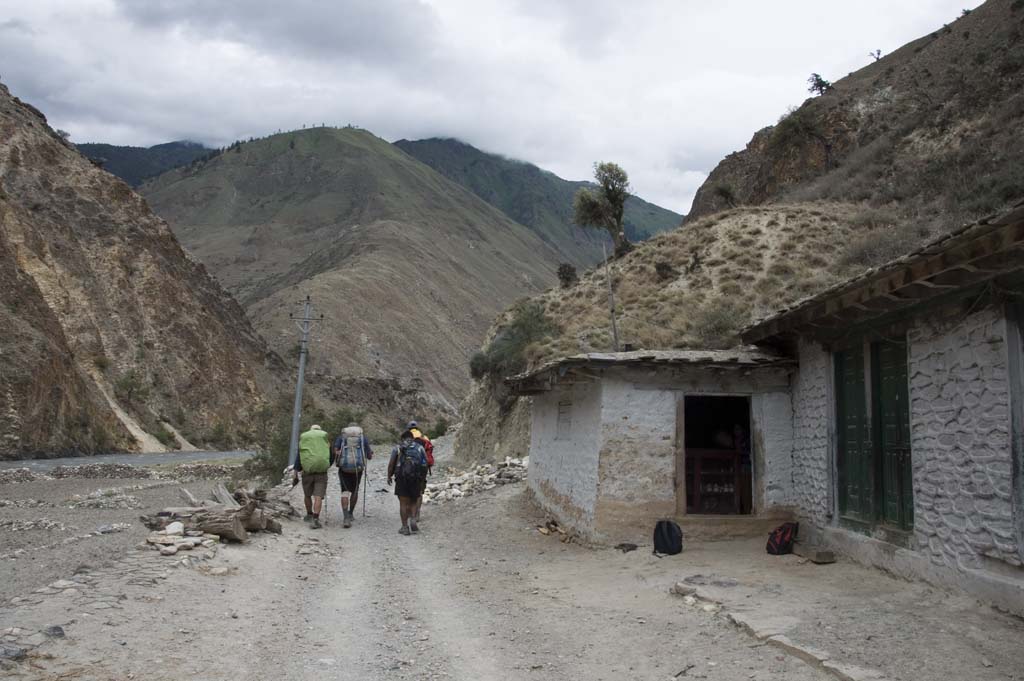
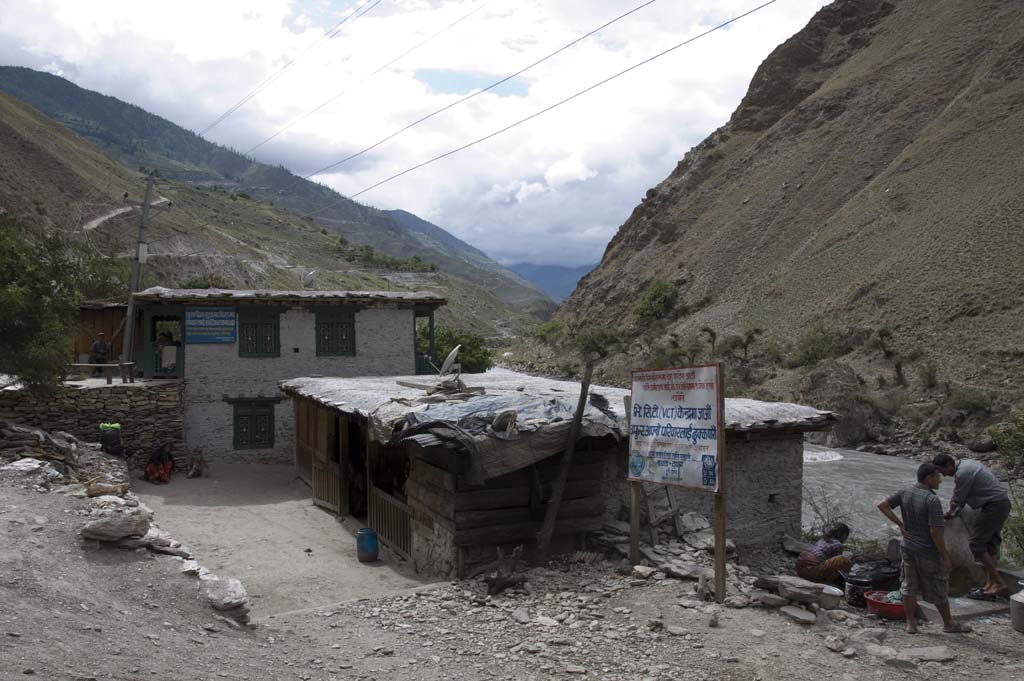
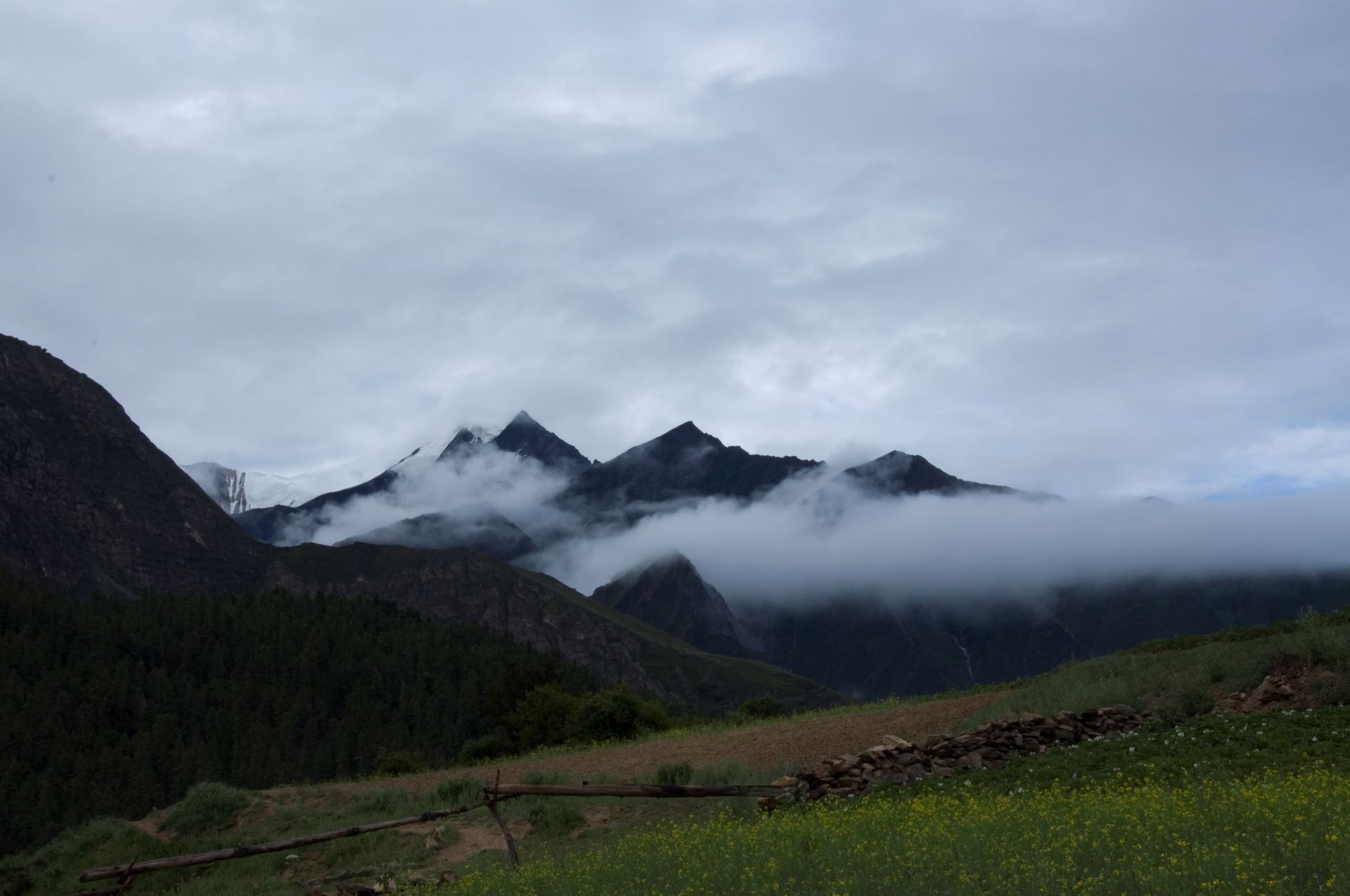

Trip Overview

Trek Region
Dolpo

Difficulty Level
Hard

Transport
Kathmandu–Nepalgunj–Juphal by domestic flight (both ways)

Total Trip Duration
24 Days

Max Elevation
5,360m

Meals
All meals included throughout
Trip Highlights
- Enter the most restricted and most exclusive trekking destination in Nepal — the Upper Dolpo, where a USD 500 per person per week permit keeps annual visitor numbers extraordinarily low and the landscape completely protected
- Follow in the footsteps of Peter Matthiessen’s legendary journey to Shey Gompa — the sacred 11th-century monastery at the base of the Crystal Mountain that inspired The Snow Leopard, one of the finest books ever written about the Himalayan world
- Stand at Crystal Mountain (Shelri, approx. 6,139m) — a geological marvel whose cliff faces are encrusted with quartz crystals and embedded with ancient marine fossils, sacred to both Buddhists and Bon Po practitioners who circumambulate it in opposite directions as an act of spiritual merit
- Cross four passes above 5,000m in a single circuit: Kang La Pass (5,360m), Saldang La (5,200m), Nagdala La (5,350m), and Jeng La Pass (5,110m) — making this the highest-pass-density circuit of any standard trekking route in Nepal
- Stand at the sacred Phoksundo Lake (3,611m) — Nepal’s deepest freshwater lake at 145 meters — and explore the ancient Tshowa (Bon) Gompa above its northern shore
- Trek through the inner Upper Dolpo plateau — a genuine Tibetan-plateau-style high-altitude desert above the influence of the monsoon, with a landscape of arid valleys, mineral-colored rock formations, and the profound silence of a world sealed by altitude and distance from everything modern
- Explore Shey Gompa — the 11th-century Kagyu school monastery described in The Snow Leopard and featured in Eric Valli’s Himalaya film, still actively maintained by a small monk community, home to a revered copper statue of Shakyamuni Buddha plated in gold
- Visit the magnificent Yangze Gompa (4,960m) — also known as Namdo Gompa — a thousand-year-old Bon Po monastery built dramatically on a cliff face above the Nam Khong valley, one of the most remotely situated and least-visited religious sites in all of Nepal
- Trek through Saldang — the largest and most prosperous village of inner Dolpo, a cluster of five settlements spread across a high plateau above the Nam Khong Nala, an ancient trading hub on the route to Tibet whose barley terraces, ancient gompas, and Tibetan mural paintings represent the living culture of the Dolpo-pa at its fullest
- Pass through the Namgung village and visit the cliffside Luri Gompa — a cave monastery of extraordinary antiquity where murals dating back over a thousand years are preserved in conditions of remarkable integrity
- Trek through the Dho Tarap valley — the cultural heart of Lower Dolpo, with the ancient Ribo Bhumpa Gompa and Bon Po gompa of the Dolpo-pa people — before the final descent to the Juphal airstrip
- Spend every night in a wilderness camp in landscapes of extraordinary remoteness — the inner Dolpo plateau, the high passes, the deep river valleys, the yak pasture zones — where your camp is the only human structure visible and the stars are among the most brilliant of any sky above Nepal
Trip Summary
In 1973, the American naturalist Peter Matthiessen walked into the Dolpo region of western Nepal with the wildlife biologist George Schaller. The journey he wrote about The Snow Leopard, became one of the finest travel and spiritual memoirs ever written, and introduced the world to a place that had until then existed almost entirely outside Western awareness. More than fifty years later, the Upper Dolpo remains one of the most remote, most pristine, and most spiritually powerful landscapes in the entire Himalayan world. The book’s central destination Shey Gompa at the base of Crystal Mountain is still the emotional and geographical heart of the Upper Dolpo Trek, and the experience of reaching it, after days of sustained effort through increasingly wild terrain, retains every quality of genuine discovery.
The Upper Dolpo Trek is the most demanding and most exclusive standard trekking circuit in Nepal. The government restricts access through an extremely expensive Restricted Area Permit (USD 500 per person per week) that limits annual visitor numbers to a very small fraction of any other Nepal trekking destination. Every night is spent in a tent there are no teahouses in the inner Upper Dolpo. The trails cross four passes above 5,000m. The altitude is sustained and serious throughout the inner circuit. The nearest road is days away. Emergency rescue is by helicopter only. And the reward for all of this the landscape, the culture, the monasteries, the wildlife, the silence, the sense of entering a world that has been sealed from modern life — is unlike anything else available to a non-climbing trekker anywhere on Earth.
This 24-day itinerary is the most complete version of the Upper Dolpo circuit available. Starting with the scenic flights to Nepalgunj and Juphal, the route follows the gorge of the Phoksundo River to the sacred turquoise waters of Phoksundo Lake (3,611m), crosses the formidable Kang La Pass (5,360m) into the inner Upper Dolpo plateau, reaches Shey Gompa (4,350m) the sacred monastery and Crystal Mountain crosses the Saldang La (5,200m) to the largest village of inner Dolpo at Saldang, visits the ancient Bon Po monastery at Yangze Gompa (4,960m), crosses the Jeng La Pass (5,110m) back toward Dho Tarap, and descends through the Tarap valley back to Juphal for the flights home.
When To Visit
The Upper Dolpo circuit’s seasonal window is the most restricted of any standard Nepal trekking destination — the Kang La Pass (5,360m) is the primary seasonal constraint, and its condition determines whether the circuit is safe and feasible.
Spring (mid-May to early June) is one of the two viable seasons. By mid-May the winter snowpack on the Kang La has consolidated sufficiently for a safe crossing in most years, the lower approach valleys are at their most lush and floral, and the weather windows are stable. Early May crossings of Kang La are possible in low snow years but risky in heavy winters. Late May and early June offer the finest spring conditions. The Shey Gompa annual September festival is not accessible in spring — but the landscape is at its most beautiful with wildflowers and the lower approach forests at peak color.
Autumn (mid-September to mid-October) is the finest and most recommended season. The monsoon clears the air completely by mid-September, the Kang La snow is consolidated after the summer melt-and-refreeze cycle, visibility from the passes is at its annual finest, and the inner Dolpo plateau has the crystalline, hyper-clear atmosphere that only the post-monsoon autumn delivers. The annual Shey Gompa festival — held in September according to the Tibetan lunar calendar — draws monks, nuns, and pilgrims from across the Dolpo region and is one of the most extraordinary and least-known religious gatherings in Nepal. If your itinerary can be timed to arrive at Shey Gompa during the festival, it transforms an already extraordinary experience into something genuinely unrepeatable. Contact us for timing assistance.
Summer / Early Monsoon (July to August) is possible in the inner Dolpo due to the extreme rain shadow effect — the inner plateau receives almost no monsoon rainfall. However, the lower approach sections from Juphal are affected by monsoon conditions, Juphal flights are frequently delayed or cancelled, and the Kang La approach can have unstable snow conditions from summer snowfall. Not recommended for first-time Upper Dolpo visitors.
Winter (November to April) is not viable. The Kang La accumulates impassable winter snowpack from November onward and remains dangerous or completely blocked through April. The inner Dolpo at winter temperatures (-20°C and below at high camps) is outside the reasonable scope of standard trekking operations regardless of permit status.
Itinerary
Welcome to Nepal. Our team meets you at Tribhuvan International Airport and transfers you to your hotel in Kathmandu. The evening briefing for the Upper Dolpo Trek is the most comprehensive of any Nepal circuit we operate — covering the complete 24-day route section by section, the altitude profile across four passes above 5,000m, the full camping logistics for a trek where teahouses do not exist, the cultural context of the Bon Po and Tibetan Buddhist traditions of the Dolpo-pa people, the permit system and checkpoint requirements for the Upper Dolpo Restricted Area, emergency protocols in a zone where the nearest road is days away, and the logistics of the double domestic flight connection.
Your guide covers the specific cultural context that makes the Upper Dolpo experience unlike any other Nepal trek — the significance of Shey Gompa as the spiritual center of the inner Dolpo world, the sacred status of Crystal Mountain and the tradition of circumambulation practiced by both Buddhist and Bon Po pilgrims in opposite directions, the history of the Dolpo-pa salt trade with Tibet that shaped every village you will walk through, and the legacy of Peter Matthiessen’s The Snow Leopard and what the book means for understanding what you are about to witness.
The Snow Leopard is required reading before this trek. If you have not read it, read it before you leave for Nepal. It will change the quality of every day on the trail. Overnight in Kathmandu.
The journey to the Upper Dolpo begins with two domestic flights separated by a transit in Nepalgunj (150m) — the gateway city of far western Nepal. The first flight takes 50 minutes from Kathmandu across the width of the Terai lowlands. The second — 40 minutes from Nepalgunj to Juphal Airport (2,475m) — is one of the most spectacular and dramatic short flights in Nepal. The small aircraft climbs from the subtropical plains, crosses the dramatic southern escarpment of the Dhaulagiri massif, and descends between valley walls onto the short, sloping airstrip above the Bheri River. The views of the Dhaulagiri range, Churen Himal, and the arid hill country of the Dolpa district during this flight announce immediately that you have arrived somewhere genuinely different.
From Juphal, the trail descends through terraced fields above the Bheri River to Dunai (2,145m) the district headquarters of Dolpa district. Permit checking at the Dunai checkpoint is the first of several through which your Upper Dolpo RAP will be examined. Flight times: 50 + 40 minutes. Walking time: 3–4 hours.
From Dunai the trail heads northwestward along the Thuli Bheri River the main drainage of the lower Dolpo highlands, through the characteristic subtropical character of the lower valley. Terraced farmland, pine and juniper forest, small mixed Hindu and Buddhist settlements, and the first mani walls and prayer flags of the Tibetan Buddhist world mark the trail.
The route passes through the village of Roop Ghar and across several suspension bridges over rushing mountain tributaries before entering the Phoksundo River gorge the primary drainage of the Phoksundo Lake basin. The gorge is immediately dramatic narrow, forest-filled, with the river roaring through a canyon carved in red and grey rock.
Chhepka / Renje (2,838m) is a small settlement on the river bank where basic lodge accommodation or camping serves the overnight. The forest at this altitude is particularly rich stands of Himalayan blue pine, birch, and rhododendron providing habitat for an extraordinary diversity of birds and, in the lower bamboo sections, the possibility of red panda sightings in the early morning hours. Walking time: 5–6 hours.
The approach gorge deepens and the altitude increases. From Chhepka the trail follows the Phoksundo River northward through a progressively narrowing canyon crossing the river on suspension bridges, passing through a dramatic gorge section where waterfalls cascade directly from the cliff faces above the trail, and climbing steadily through the changing vegetation zones as the subtropical forest gives way to more temperate species.
The route crosses through Ryajik village a traditional settlement where mani walls and chortens mark the transition into the more heavily Buddhist cultural zone of the upper approach, and continues through the gorge past a series of waterfalls that are among the most spectacular natural features of the Phoksundo approach. The canyon sections here are some of the finest gorge walking in western Nepal.
Jharana / Chunuwar (3,130m) sits near the head of the gorge where the terrain begins to open toward the Phoksundo Lake basin. Simple lodge accommodation or camping serves the overnight. Walking time: 6–7 hours.
The day the Upper Dolpo reveals its most famous and most beautiful natural feature. From Jharana the trail makes the final approach through the gorge, passes through Palam village, and arrives at Ringmo (3,640m) the small traditional Bon Po and Tibetan Buddhist village that guards the southern shore of Phoksundo Lake.
Phoksundo Lake (3,611m) Nepal’s deepest freshwater lake at 145 meters, appears with the particular impact that only a genuinely remote and genuinely extraordinary natural site can produce. The water is an extraordinary shifting color — turquoise, emerald, and deep blue depending on the light, the season, the angle, and the depth below you. The lake sits in a dramatic natural bowl enclosed by vertical limestone cliffs, old-growth birch and pine forest, and the ancient architecture of Ringmo village on its southern shore.
The sacred Phoksundo waterfall the outflow of the lake tumbling over a cliff face into the gorge below is directly visible from the village and is one of the finest waterfalls in western Nepal. The waterfall marks the boundary between the lake’s sacred world above and the ordinary world below a boundary the Bon Po tradition considers deeply spiritually significant.
Stand at the lakeshore and absorb what is in front of you. You have arrived at the place that Eric Valli filmed for Himalaya and that the Dolpo-pa have been calling sacred for centuries. Walking time: 4–5 hours.
A full acclimatization and exploration day at the lake essential both physiologically before the sustained high-altitude days ahead and experientially as an opportunity to genuinely understand the sacred and natural world that Phoksundo represents.
The morning is spent at the Tshowa Gompa the ancient Bon Po monastery perched on a rock shelf directly above the northern shore of the lake. The 30–45 minute climb from Ringmo to the gompa rewards you with the finest single view of Phoksundo Lake the entire extent of the turquoise water visible below, the limestone cliffs of the far shore reflected in the surface, and Kanjiroba Himal (6,612m) rising above the northern valley wall. The monastery itself is one of the finest Bon Po religious sites in Nepal pre-Buddhist iconography, ancient murals, ritual objects, and the particular atmosphere of continuous practice maintained in extraordinary isolation.
The afternoon is spent on the lakeshore walking the shoreline, photographing the extraordinary color transitions of the water at different times of day, visiting the small community of Ringmo and understanding their relationship with the lake as guardian community of a sacred body of
water. The full circumambulation of the lake shore — a kora practiced by both Buddhist and Bon Po pilgrims — takes several hours and is deeply rewarding. Exploration time: Full day.
Leaving Phoksundo Lake is genuinely difficult but the inner Upper Dolpo world begins today and its call is strong. From Ringmo the trail follows the northern shore of the lake, climbing the dramatic cliff-face trail above the eastern shoreline with extraordinary views back across the turquoise water to the cliffs and forest of the western shore.
Above the lake, the trail enters the forest and descends through birch and pine to the meadow area of Ruktang (3,594m) — a camping area on the Phoksundo Khola (the lake’s outflow stream) where the landscape transitions between the lush lake basin and the more arid terrain of the upper Phoksundo drainage. The forest here is beautiful old-growth trees, a rich understorey, and the sound of the Phoksundo Khola running through the gorge below the camp. This is your last night in the forest for many days. The inner Upper Dolpo is above and ahead arid, open, and extraordinary. Walking time: 5–6 hours.
The approach to the first and highest pass of the entire circuit. From Ruktang the trail follows the Phoksundo Khola northward through progressively more open and more arid terrain — the forest giving way to juniper scrub, the juniper to open alpine meadow, and the meadow to the bare rock and moraine of the high approach zone.
The trail gains significant altitude throughout the day crossing the river multiple times, passing through rocky canyon sections where the Phoksundo Khola cuts through layers of ancient sedimentary rock, and climbing steadily toward the high camp below the Kang La.
The high camp at Phoksundo Bhanjyang / Kang La Base Camp (4,677m) sits on a broad moraine shelf below the final approach to the pass the imposing ice and rock wall of the Kang La above, the valley below, and the enormous silence of the inner Dolpo high country all around you. This is your first night at nearly 4,700m. Altitude is felt seriously here — eat well, hydrate aggressively, and go to bed early. The pass begins at 4:00 AM tomorrow. Walking time: 5–6 hours.
The most demanding and most anticipated day of the entire 24-day circuit. The alarm sounds at 4:00 AM. In the pre-dawn darkness, breakfast is eaten at the high camp, every insulation layer is donned, crampons are fitted, ice axes are in hand, and the climb to the Kang La Pass (5,360m) begins in headlamp light.
The ascent gains nearly 700m from the base camp on steep, often snow-covered terrain. The approach crosses the Kang Gompa junction before the trail steepens significantly. The final section to the pass is the most demanding a sustained climb on snow and ice requiring careful crampon technique and steady, deliberate breathing at 5,000m+. Your guide team has fixed ropes on the most exposed sections.
At the Kang La Pass (5,360m) the highest point of the entire Upper Dolpo circuit, the prayer flags whip in the cold mountain wind and the panorama opens in every direction simultaneously. Kanjiroba Himal (6,612m) rises directly to the west, enormous and close. The Tibetan plateau shimmers beyond the border ridge to the north visible, real, and genuinely close. The arid high-altitude desert of the inner Upper Dolpo stretches ahead, a landscape of bare rock, ancient valleys, and the sacred mountain that has drawn pilgrims for centuries.
The descent from Kang La to Shey Gompa (4,350m) drops steeply from the pass on the north side — rocky scree in the upper section, then open alpine terrain passing a series of high-altitude lakes and meadow zones before the cluster of structures at Shey comes into view. Shey Gompa sits directly opposite Crystal Mountain (Shelri, approx. 6,139m) — the quartz-encrusted peak that Matthiessen described and that pilgrims have been circumambulating for centuries. Your first view of the monastery from the approach small, whitewashed, ancient, set against the extraordinary mineral geology of Crystal Mountain, is one of the most quietly powerful moments of any Nepal trekking experience. Walking time: 7–8 hours.
The day for which the entire Upper Dolpo Trek exists. A full rest and exploration day at the sacred heart of the inner Dolpo world.
Shey Gompa was established in the 11th century as a monastery of the Kagyu school of Tibetan Buddhism the same tradition that produced the great yogi Milarepa. The monastery is described by Peter Matthiessen with extraordinary precision and reverence in The Snow Leopard, and reading those passages at the monastery itselflooking across at Crystal Mountain from the compound where Matthiessen sat fifty years ago is one of those rare moments where literature and landscape collapse into the same point of experience.
The main prayer hall houses a revered copper statue of Shakyamuni Buddha covered in plated gold a statue of remarkable artistry whose production and transport to this location at 4,350m in the 11th century represents a feat of devotional commitment that still arrests the imagination. The monastery is also home to precious Tibetan Buddhist texts including portions of the Kangyur, thangka paintings of considerable antiquity, and the ritual instruments and offerings of an active monastic community.
Crystal Mountain (Shelri) directly across the narrow valley from Shey Gompa, is the geological marvel that Matthiessen described so memorably. Its cliff faces are encrusted with quartz crystals that catch and shatter the light throughout the day, and embedded within the crystalline rock are ancient marine fossils — the remnants of an ocean floor uplifted 5,000m into the sky by the Himalayan uplift. The tradition of circumambulation around the mountain clockwise for Buddhists, counter-clockwise for Bon Po practitioners takes several hours. Walking the kora in either direction is an act of extraordinary intimacy with the landscape.
Shey village the small community that has traditionally maintained the monastery — still has a handful of residents who practice the ancient Tibetan way of life of the inner Dolpo. Speak with your guide about the community’s history, their relationship with the monastery, and the social traditions of the Dolpo-pa that persist here in particularly pure form. Exploration time: Full day.
The second major pass crossing of the circuit. From Shey Gompa the trail heads east along the valley and then begins the sustained climb to the Saldang La Pass (5,200m) — a high desert pass in the classic trans-Himalayan landscape of the inner Dolpo.
The approach to Saldang La follows a zigzag path across rocky, scree-covered terrain — the landscape here is pure high-altitude desert, with no vegetation above the valley floor, the hillsides composed of loose rock and mineral-colored sediment. Blue sheep are commonly seen on the slopes above the trail throughout this section. The pass itself offers a stunning view of the vast Tibetan plateau to the north the flattest, highest, and most extensive plateau on Earth, visible across the border ridge in a way that is genuinely awe-inspiring from a vantage point of 5,200m.
The descent from Saldang La leads northward through open alpine terrain before dropping to the small cluster of buildings at Namduna Gaun (4,430m) also known as Namgung, a settlement with the cliffside Luri Gompa built into the north wall of a cliff above the village. The Luri Gompa is one of the most extraordinary cave monastery sites in western Nepal ancient murals preserved in the cave interior in conditions of remarkable integrity, dating back over a thousand years and representing some of the earliest surviving Buddhist painting in the Nepal Himalaya. Walking time: 6–7 hours.
From Namduna Gaun the trail descends and then traverses across the high landscape toward Saldang (3,770m) the largest and most significant settlement of the inner Upper Dolpo and the most prosperous village of the trans-Himalayan Dolpo plateau.
The trail passes through open, barren terrain before ascending briefly to the high plateau above Saldang and then descending steeply to the village. Saldang is actually a cluster of five distinct sub-settlements spread across two kilometers of a broad plateau high above the Nam Khong Nala each with its own gompa, its own distinct community character, and its own distinct position in the complex social hierarchy of the inner Dolpo world.
The village’s prosperity is visible everywhere elaborately carved wooden window frames on traditional flat-roofed stone houses, well-maintained mani walls extending through each settlement, the distinctive Chaiba Monastery and its extraordinary interior mural paintings of Tibetan Buddhist deities and narratives, terraced barley fields extending down the hillside. Saldang sits on one of the ancient trade routes between Nepal and Tibet and its position on this route has historically made it the commercial as well as cultural center of the inner Dolpo world. Spend the afternoon exploring the village and its gompas with your guide’s cultural knowledge as the interpretive lens. Walking time: 4–5 hours.
One of the most culturally and scenically rewarding walking days of the entire Upper Dolpo circuit. From Saldang the trail heads north along the Panzang River crossing the river on a simple bridge, passing through the smaller settlements of Marang and Ki before turning east through beautiful pastoral terrain to reach the extraordinary Yangze Gompa (4,960m).
Yangze Gompa — also called Namdo Gompa or Yana Gompa is a thousand-year-old Bon Po monastery built dramatically on a cliff face above the Nam Khong valley. This is one of the most remotely situated and least-visited religious sites in all of Nepal. The monastery is home to a small community of monks who maintain a continuous Bon Po practice in conditions of extraordinary isolation at nearly 5,000m altitude, a full day’s walk from Saldang, with no road access and no regular visitor contact.
The murals within the Yangze Gompa are extraordinary Bon Po iconography painted on the cave walls with a sophistication and artistry that reflects the high culture of the pre-Buddhist Tibetan tradition from which this monastery emerged. The cliff setting, the ancient paintings, the small monk community maintaining their practice in solitude, and the panoramic view from the monastery compound of the Nam Khong valley below, the high peaks of the inner Dolpo surrounding, and the distant Tibetan plateau to the north make this the single most atmospheric and most emotionally resonant cultural site of the entire 24-day circuit. Walking time: 4–5 hours.
From Yangze Gompa the trail returns southward through the valley back through the pastoral landscape of the Nam Khong basin, through the chortens, mani walls, and terraced fields of the smaller settlements between Saldang and Sibu. Two trail options exist for this section the standard route retraces through Saldang village before continuing south, passing the distinctive Namdo village and its gompa beside the river, and continuing to the camping area at Sibu (4,115m).
The terrain today is varied and beautiful the high plateau pastoral landscape of the inner Dolpo at its most expansive and most peacefully inhabited. Yak herds graze on the open hillsides, nomadic herding families move their animals between pasture zones, and the mani walls and chortens that line every trail junction give the landscape its distinctive character of spiritual and geographical navigation.
The camp at Sibu sits at the transition point between the northern plateau zone of inner Dolpo and the more mountainous terrain of the southern circuit leading toward the Jeng La. Walking time: 6–7 hours.
The approach to the final and most grueling high pass crossing of the circuit. From Sibu the trail follows the Nam Khong Khola eastward through the narrowing valley — the terrain becoming progressively more rocky and more dramatic as the trail climbs toward the base of the Jeng La approach.
The route crosses the confluence of two small tributaries and then begins the serious ascent through increasingly barren landscape toward the high grazing zone below the pass. The trail is less clearly defined in places here — one of the sections where your guide’s specific knowledge of the Upper Dolpo route is most valuable. Blue sheep populations are high in this section and sightings of family groups on the surrounding slopes are common.
Jeng La Phedi (4,900m) the base camp for the Jeng La Pass crossing — is a camping area on the final approach moraine below the pass. No structures, no facilities, pure wilderness at nearly 5,000m. The evening at Jeng La Phedi with the stars overhead in the cold clear air of the inner Dolpo and the pass looming above has the particular quality of anticipation and stillness that precedes every demanding mountain day. Organize gear, eat well, sleep early. Walking time: 5–6 hours.
The final high pass of the circuit and a demanding, rewarding crossing that deposits you into the cultural world of Dho Tarap the far end of the circuit where the inner Upper Dolpo meets the inhabited valley world.
The alarm sounds at 4:00 AM. The climb from the base camp to the Jeng La Pass (5,110m) gains over 200m on steep, exposed terrain rocky in the lower section, potentially snow-covered near the pass. Crampons may be required depending on conditions. At the top, the panorama includes the massive Dhaulagiri range to the south, appearing from this direction at extraordinary scale and proximity and the inner Dolpo plateau to the north spread in the full panoramic breadth of everything you have walked through.
The descent from Jeng La is long and steep, dropping into the upper Tarap valley system through progressively more vegetated terrain as the arid inner Dolpo gives way to the more forested landscape of the outer Dolpo valleys. The final descent into Dho Tarap (3,944m) passes through barley and buckwheat fields, past ancient chortens and mani walls, and into the most significant cultural settlement of Lower Dolpo a village whose character after the pure wilderness of the inner circuit feels warm, inhabited, and deeply human.
This is the last major physical challenge of the circuit. Walking time: 7–8 hours.
A full rest and exploration day in Dho Tarap both a necessary recovery day after the demanding Jeng La crossing and a deeply rewarding cultural immersion in one of the most significant settlements of the Dolpo region.
The Ribo Bhumpa Gompa within the village and the Bon Po Gompa at Shipichowk above it represent the two spiritual poles of the Dolpo-pa world. The Bon Po Gompa at Shipichowk is a 30-minute climb above the valley and its pre-Buddhist iconographic program — entirely distinct from any Buddhist monastery is one of the finest and most accessible examples of Bon Po religious art in Nepal. The Drakmar Dewa Gompa set into the red cliff face above the valley provides a dramatic visual and cultural addition for those with energy for the additional hike.
The people of Dho Tarap wear traditional homespun clothing in natural colors, prefer Tibetan-style somba boots with upturned toes, and maintain a way of life organized around yak herding, barley cultivation, and a seasonal trading calendar that has barely changed in centuries. The warmth of a Dolpo-pa family receiving visitors in their home with a bowl of butter tea, and the particular directness and ease of people who live largely without access to the outside world, are among the finest human experiences of the entire 24-day circuit. Exploration time: Full day.
From Dho Tarap the trail enters the Tarap valley’s southern section heading toward the passes that will bring the circuit back through the Lower Dolpo landscape and eventually to Juphal. From the village the trail follows the Tarap Chu River southward through the open upper Tarap valley — a wide, grassy, high-altitude basin that receives more moisture than the arid inner Dolpo plateau and sustains a richer vegetation cover and more diverse wildlife.
The trail passes through the settlement of Tokyu Gaon (4,250m) — a traditional village with a beautiful kani (gateway chorten) at its entrance and an old Bon Po monastery above the main settlement. The valley landscape around Tokyu is particularly beautiful in the soft afternoon light barley fields terraced into the hillside, yak herds moving across the upper pastures, and the snow peaks of the inner Dolpo closing the valley to the north in a final panoramic goodbye. Walking time: 5–6 hours.
The final high pass of the entire circuit. From Tokyu the trail climbs steeply out of the Tarap valley through increasingly arid terrain toward the Nagdala La Pass (5,350m) a high, remote crossing rarely visited by trekkers and connecting the inner Tarap valley with the outer Dolpo approach gorge system.
The ascent to Nagdala La from Tokyu is steep and demanding a sustained climb through rocky, scree-covered terrain with no vegetation above the valley floor. Blue sheep are frequently seen on the surrounding slopes and the views back across the Tarap valley from the upper approach are among the finest panoramic retrospective views of the entire inner Dolpo circuit.
At the pass, the landscape transforms one final time from the arid inner world to the glimpse of the greener, more forested outer valley system descending ahead. The descent to Nawarpani (3,523m) is steep and long, dropping nearly 1,800m from the pass to the overnight camp in a series of descending terrain zones from high alpine to sub-alpine. Walking time: 7–8 hours.
A continuous descent through the increasingly lush forest of the Tarap Khola gorge — the landscape progressively greening and warming as altitude drops below 4,000m and the influence of the rain shadow lessens. The trail re-enters the magnificent forest sections of the lower Tarap Khola canyon the sculpted rock walls of the gorge, the waterfalls, the suspension bridges now seen in the familiar direction of descent rather than the upward approach of Day 5.
The forest sections between Nawarpani and Chhyugar are excellent for birdwatching the altitudinal zone here supports a diversity of high-altitude forest species and the transition forest between the arid inner Dolpo and the temperate outer forest is one of the mo
The final significant descent day. From Chhyugar the trail continues southward through the lower Tarap and Phoksundo gorge systems, eventually joining the main Thuli Bheri River and heading east toward Dunai. The subtropical vegetation of the lower valley returns in earnest pine and juniper giving way to broader-leafed subtropical species as the altitude drops below 2,500m and the warmth and humidity of the lower valley becomes tangible.
Dunai (2,145m) and the surrounding area mark the final overnight camp or lodge stop of the circuit the last night in the Dolpo before the flights home. Spend the evening in the warm, convivial atmosphere of the Dunai teahouses or camp, share a final meal with your guide and camp crew, and absorb the scale of what the past three weeks have involved. Walking time: 5–6 hours.
A final short morning walk or jeep transfer from Dunai to the Juphal airstrip, where the domestic flights that brought you here three weeks ago are waiting to carry you back to Kathmandu.
The 40-minute flight from Juphal to Nepalgunj provides a final extraordinary view of the Dhaulagiri range and the far western Nepal hill country from the air a bird’s-eye perspective on the landscape you have been walking through for three weeks. The descent from the mountains to the Terai lowlands happens in a matter of minutes from the aircraft window and the contrast is genuinely striking.
Back in Kathmandu by afternoon, transfer to your hotel and experience the particular luxury of a hot shower, a proper bed, and a city meal after 20 nights of wilderness camping in some of the most remote terrain in Nepal. Flight times: 40 + 50 minutes.
A mandatory buffer day for the high probability of Juphal flight delays. Juphal is one of the most weather-affected domestic airstrips in Nepal delays of one to three days are genuinely common and this buffer is a non-negotiable component of any responsible Upper Dolpo itinerary.
If flights returned on schedule, the buffer day becomes a gift a free day in Kathmandu after three weeks in one of the most remote and demanding circuits in Nepal. Rest, explore the Boudhanath Stupa neighborhood that carries the same Tibetan Buddhist tradition you have been immersed in for three weeks but in an urban Kathmandu context, visit the UNESCO heritage sites of the Kathmandu Valley, or simply let the mountains settle quietly into memory at their own pace
Your 24-day Upper Dolpo Trek comes to a close. Our team transfers you to Tribhuvan International Airport. You leave Nepal as one of a very small number of people globally who have completed the full Upper Dolpo circuit — four passes above 5,000m, Shey Gompa and Crystal Mountain, Saldang, Yangze Gompa, Dho Tarap, Phoksundo Lake, and three weeks of wilderness camping in one of the most protected, most remote, and most culturally intact landscapes accessible to a non-climbing trekker anywhere in the Himalayan world.
Trek Difficulty & Physical Demands
The Upper Dolpo Trek is rated Extreme / Highly Challenging — the most demanding standard trekking circuit in Nepal and in a genuinely different category from every other trekking route in the country including the Makalu traverses and the Manaslu Circuit.
Technical pass crossings: The Kang La Pass (5,360m) requires crampons, ice axes, fixed ropes, and technical glacier travel experience on the approach and descent. It is the most technically demanding single crossing of any standard Nepal trekking circuit. The Saldang La, Nagdala La, and Jeng La are demanding but generally less technically exposed than the Kang La.
Altitude sustained for duration: The circuit spends the longest continuous period above 4,000m of any standard Nepal trekking route — the inner Upper Dolpo section from Phoksundo Lake through Shey Gompa, Saldang, and Yangze Gompa involves 10+ consecutive days above 4,000m with multiple nights above 4,500m and two nights above 4,700m. This level of sustained high-altitude exposure demands the most serious acclimatization respect of any Nepal circuit.
Full wilderness camping: 20 nights of expedition-standard wilderness camping in terrain with no facilities, no teahouses, no shops, no phone coverage, and no road access. The logistical and physical demands of 20 nights under canvas in inner Dolpo conditions are not comparable to standard lower-altitude camping experiences.
Remoteness and rescue: In the inner Upper Dolpo, a medical emergency means satellite phone contact with our Kathmandu operations base and helicopter evacuation — there is no other option. Emergency response times of 4–6 hours in good weather are the realistic minimum. This reality demands the highest standard of personal health preparation, realistic fitness assessment, and proactive altitude sickness management of any Nepal trek.
Physical preparation required: 6 months of sustained, progressive training — expedition hiking with heavy pack on steep terrain, cardiovascular training at altitude where possible, specific cold-weather camping experience, and prior high-altitude exposure above 5,000m. Experience with crampons and ice axes is mandatory before arriving — we cannot teach this skill at 5,200m.
Best Time to Trek: Seasonal Comparison
| Season | Months | Kang La | Inner Dolpo | Views | Recommended |
| Spring | May–Jun | Good from mid-May | Lush approach | Excellent | Good |
| Monsoon | Jul–Aug | Unstable | Dry (inner) | Partial | Not recommended |
| Autumn | Sep–Oct | Excellent | Outstanding | Outstanding | Best |
| Winter | Nov–Apr | Impassable | Extreme cold | — | Never |
Pro tip: The finest time for the complete Upper Dolpo Circuit is from mid-September to early October, ideally timed to coincide with the Shey Gompa Festival, which is celebrated according to the Tibetan lunar calendar. This period combines the festival atmosphere, crystal-clear post-monsoon skies, stable snow conditions on Kang La, and the Inner Dolpo plateau at its most beautiful in autumn. It is one of the most sought-after trekking windows in Nepal’s restricted regions, so booking at least six months in advance is highly recommended.
Booking Your Upper Dolpo Trek – 24 Days
The Upper Dolpo Trek requires the most careful advance planning of any circuit we operate. Book 6–8 months in advance the USD 500/week RAP is processed through the government and requires considerable lead time, senior guide availability for this caliber of circuit is limited, and October departure slots fill months in advance.
Step 1 — Contact us. Reach out via our website, email, or WhatsApp with your target dates, group size, and complete prior trekking and mountaineering experience. We respond within 24 hours with the complete 24-day itinerary, full permit cost breakdown, and an assessment of whether the circuit is appropriate for your background.
Step 2 — Mandatory experience assessment. We conduct a detailed video call assessment of your prior high-altitude and technical experience. The Upper Dolpo requires prior experience above 5,000m and with crampons and ice axes in a trekking or mountaineering context. This assessment protects both your safety and the integrity of the expedition.
Step 3 — Confirm booking. A 30% deposit is required to begin the Upper Dolpo RAP permit application process — which requires passport copies, photographs, personal details, and specific route information for all trekkers. We immediately begin this process upon deposit confirmation. Permits may take 2–3 weeks to process.
Step 4 — Pre-departure package. We send the most comprehensive pre-departure document in our portfolio 6-month training program, technical skill preparation requirements, complete expedition gear list, Bon Po and Tibetan Buddhist cultural context, altitude management protocols specific to 4 passes above 5,000m, emergency procedures for inner Dolpo remoteness, and day-by-day detailed expectations for all 24 days.
Step 5 — Arrive in Kathmandu. Two full days of expedition briefing and preparation guide team introduction, crampon fitting and ice axe selection, permit documentation review, camping equipment inspection, and satellite phone testing. Nothing is left to chance.
Step 6 — Expedition. Your senior guide and full expedition team lead the 24-day circuit with the highest standard of Himalayan safety management throughout.
Step 7 — Balance payment. The remaining 70% is due on arrival in Kathmandu before departure for Nepalgunj.
Cancellation Policy:
- 60+ days before departure: Deposit refunded minus bank charges, non-refundable flight bookings, and non-refundable permit fees
- 45–59 days before: 30% refund minus permit and flight costs
- 30–44 days before: 15% refund minus permit and flight costs
- Less than 30 days: Deposit forfeited
- Upper Dolpo RAP permits are completely non-refundable once issued
Travel Insurance — Mandatory, Verified, and Non-Negotiable: Your policy must explicitly confirm:
- Emergency helicopter evacuation above 6,500m
- Medical treatment and hospitalization in Nepal
- High-altitude technical trekking and glacier activities
- Trek cancellation / curtailment due to medical emergency
- Repatriation costs
The inner Upper Dolpo is more remote from road-based emergency access than almost any other trekking destination in Nepal. A helicopter rescue from the Shey Gompa or Saldang area costs USD 8,000–15,000. Show the original insurance document to our Kathmandu office and your guide before departure. We will not allow any trekker to begin this circuit without verified, appropriate insurance.
Cost Details
Cost Includes
- Airport pick-up and drop-off in Kathmandu
- All domestic flights: Kathmandu–Nepalgunj–Juphal (round trip — both legs both ways)
- 1 night hotel accommodation in Kathmandu on arrival (bed & breakfast, 3-star)
- 1 night hotel accommodation in Nepalgunj (if overnight required due to flight scheduling)
- Complete expedition-standard wilderness camping equipment for entire trek (20 nights):
- High-altitude expedition dome sleeping tents (2-person per tent)
- Mess / dining tent with tables, chairs, and full furnishings
- Kitchen tent with full cook equipment and fuel
- Toilet tent with portable facilities
- High-density foam + inflatable sleeping mats
- All meals throughout the entire 24-day trek — breakfast, lunch, and dinner including all camping days
- Experienced, English-speaking, senior government-licensed trekking guide with Upper Dolpo specialist experience (multiple prior Kang La crossings mandatory)
- Minimum 2 assistant guides / high-altitude Sherpa for technical pass sections (Kang La and emergency high-altitude support)
- Experienced cook and full kitchen crew throughout
- One porter per two trekkers plus additional porters for camping and expedition equipment
- Upper Dolpo Restricted Area Permit (RAP): USD 500/person/week — fully included
- Lower Dolpo Restricted Area Permit — for approach sections, fully included
- Shey Phoksundo National Park Entry Permit — fully included
- All guide, Sherpa, porter, and cook wages, meals, accommodation, and full insurance
- All government taxes and local charges
- Expedition sleeping bag rated to -25°C rental (if needed — strongly recommended)
- Technical equipment for Kang La Pass crossing: fixed ropes, group crampons, ice axes, harnesses
- Duffel bag (70L) for porter
- Comprehensive First Aid Kit including pulse oximeter, emergency oxygen, altitude medications (Dexamethasone, Nifedipine), and full emergency splinting equipment
- Satellite phone for emergency communication throughout
- Emergency evacuation coordination (cost covered by mandatory travel insurance)
- Daily weather assessment and route condition briefing
Cost Excludes
- Nepal entry visa fee (approx. USD 50 for 30 days)
- International flights to and from Kathmandu
- Travel insurance with emergency helicopter evacuation coverage explicitly above 6,500m — mandatory and verified before departure
- Personal mountaineering or B2/B3-compatible boots (crampon-compatible boots required for Kang La)
- Personal crampons and ice axe (rental available Kathmandu approx. USD 20–35 each)
- Personal down suit for above 5,000m nights (strongly recommended)
- Personal glacier goggles and mountaineering helmet
- Meals beyond included in Kathmandu and Nepalgunj
- Personal snacks, energy supplements, and personal nutrition items
- Hot showers and device charging where sporadically available in lower valley lodges
- Tips and gratuity for entire expedition team — guide, Sherpa staff, porters, cook (strongly recommended; standard for this caliber of expedition is 15% of trek cost distributed among team)
- Helicopter rescue and medical evacuation costs (covered by mandatory travel insurance)
- Gompa and monastery donations at Tshowa Gompa, Shey Gompa, Luri Gompa, Yangze Gompa, and Dho Tarap
- Personal expenses and souvenirs
Trip Gallery
Trek Essentials
- Expedition merino or synthetic thermal base layers (top and bottom) — 3 sets minimum for 24 days
- Heavyweight Polartec or fleece mid-layer jacket
- Expedition-weight down jacket or down suit rated to -30°C — mandatory for camping above 4,500m. The Kang La Base Camp (4,677m) and Jeng La Phedi (4,900m) nights with wind chill require the warmest insulation you own.
- Down trousers or expedition-weight insulated trousers for cold camp mornings
- Waterproof, windproof Gore-Tex hardshell jacket and trousers — worn for all pass crossings
- Softshell trousers for active daytime walking
- Waterproof over-trousers for snow sections
- Heavyweight wool trekking socks — 7 pairs for 24 days
- Expedition-weight outer gloves or mitts + liner gloves + vapor barrier liners for the coldest nights
- Full balaclava worn on all pass days
- Warm wool beanie
- Sun hat with brim
- Neck gaiter and buff — multiple layers for the passes
- B2 or B3 compatible mountaineering or high-altitude trekking boots — crampon-compatible, waterproof, insulated. This is the single most important gear item for the Upper Dolpo Trek. Standard flexible trekking boots cannot be used safely on the Kang La Pass. Boots must be broken in for a minimum of 50 hours before departure.
- Neoprene or heavyweight wool boot liners for all camping nights above 4,000m
- 12-point crampons — C2 or C-AT compatible with your boots. Mandatory for Kang La. Must be fitted and tested before departure.
- Gaiters — mandatory for all pass days
- Lightweight camp sandals for lower valley lodge evenings
- Ice axe — standard 60–65cm mountaineering ice axe. Mandatory for Kang La.
- Full seat climbing harness — for fixed rope sections on Kang La
- 2 x locking HMS carabiners — for fixed rope clipping
- Ascender / Jumar — strongly recommended for Kang La steep sections
- Trekking poles — both collapsible with snow baskets
- Sleeping bag rated to -25°C or warmer — non-negotiable. The Kang La Base Camp and Jeng La Phedi camping nights can drop to -15°C inside a tent with wind. Do not underestimate.
- Compression dry bag for sleeping bag
- Sleeping bag liner for additional warmth
- Expedition rucksack (35–40L) with hip belt
- Duffel bag (80L) for porter
- Glacier goggles (Cat 4, UV400, side shields) — mandatory for Kang La and other snow sections
- Mountaineering helmet — mandatory for rocky sections on Kang La descent
- Headlamp with 3 spare battery sets — pre-dawn starts on four pass days require 3+ hours of reliable illumination each
- 2L insulated water bottle + collapsible backup — water freezes at camp above 4,500m
- Water purification tablets and filter
- Power bank (20,000+ mAh) — no charging for 15+ consecutive days in inner Dolpo
- Satellite GPS personal device — strongly recommended for navigation backup in inner Dolpo
- Personal camera in insulated, padded case
- Diamox (acetazolamide) — mandatory consultation with doctor before departure; strongly recommended for the sustained altitude of this circuit
- Personal pulse oximeter — monitor blood oxygen saturation morning and evening above 4,000m; share readings daily with your guide
- Personal Dexamethasone (4mg) and Nifedipine — emergency altitude medications; discuss with doctor and carry per their instructions
- Personal first aid kit — comprehensive: wound closure strips, blister treatment, ibuprofen, antiseptic, compression bandage, moleskin, medical tape
- Sunscreen SPF 60+ and SPF lip balm — UV at 5,000m+ in the arid Dolpo atmosphere with snow reflection is among the most intense of any Nepal trek
- Hand warmers (10+ packs) — one pack per pass day plus extras for cold camp mornings
- Eye drops for dry high-altitude conditions
- Anti-nausea medication
- Insect repellent for lower approach valleys
- All personal prescription medications plus 25% buffer for potential flight delay extension
- Valid passport with at least 6 months remaining validity
- Nepal visa (multiple-entry recommended for longer stays)
- Both Restricted Area Permit originals — your guide carries these and presents them at multiple checkpoints
- Printed travel insurance policy — guide requires a copy
- 2 passport-sized photos (for RAP processing)
- Emergency contact card on your person throughout
Final Thoughts:
There is a passage near the end of Peter Matthiessen’s The Snow Leopard where he describes the quality of the light and the silence of the inner Dolpo — the way the mountain air feels at 4,000m in October, the way the peaks hold the last light of the afternoon, the way a place can feel both completely indifferent to human presence and somehow deeply welcoming of it at the same time. He does not know exactly what to call this quality. He calls it sacred. And then, with characteristic honesty, he admits that he is not entirely sure what he means by that word.
Walking the Upper Dolpo circuit for 24 days crossing four passes above 5,000m, camping every night in wilderness, visiting Shey Gompa and Crystal Mountain and Yangze Gompa and Phoksundo Lake, eating dinner in the cook tent at 4,700m with the stars overhead, watching blue sheep move across the hillside in the early morning light — you encounter the same quality Matthiessen was trying to describe. The arid plateau landscape has it. The ancient monasteries have it. The Dolpo-pa people in their traditional homespun clothing have it, going about their daily lives in the same way their ancestors went about their daily lives centuries before them.
The Upper Dolpo is the most expensive, most demanding, most remote, most restricted, and most genuinely extraordinary trekking circuit available in Nepal. It is not for everyone. It is not supposed to be. The government’s USD 500 per week permit is not an accident of pricing it is a deliberate mechanism to ensure that the people who enter this landscape are prepared for what they will find, committed to the effort it requires, and small enough in number to leave it fundamentally unchanged.
For the right trekker fit, experienced, patient, and genuinely interested in encountering the Himalayan world at its most complete and most uncompromised the Upper Dolpo circuit is not merely a great trek. It is the finest thing available.
Your Adventure to Upper Dolpo Trek – 24 Days Starts Here
Start your journey with trusted local experts and discover the beauty, culture, and adventure waiting in the Himalayas and beyond.
Frequently Asked Questions
Everything you need to know about the AASRA ECO TREK
The Upper Dolpo RAP is the most expensive trekking permit in Nepal — significantly higher than any other restricted area permit, including the Tsum Valley (USD 40/week) and Manaslu (USD 100/week). The government deliberately set the price at this level for two reasons: to limit the total number of annual visitors to a very small number, protecting the ecological integrity of the Shey Phoksundo National Park’s most sensitive zones and the cultural authenticity of the Dolpo-pa communities; and to generate concentrated conservation and community development revenue from a smaller number of high-value visitors rather than a larger number of budget visitors. Approximately 200–300 foreign trekkers enter Upper Dolpo annually — compared to tens of thousands on the Everest Base Camp or Annapurna Circuit routes.
Both are extreme-category treks with different specific demands. The Makalu Sherpani Col traverse crosses higher passes (6,135m and 6,143m vs the Upper Dolpo’s maximum of 5,360m) and involves more sustained glaciated technical terrain requiring fixed ropes throughout. The Upper Dolpo circuit, while slightly lower at its maximum point, crosses four passes above 5,000m in a single circuit, sustains high-altitude living (above 4,000m for 12+ consecutive days) at a duration that exceeds the Makalu traverse, and operates in genuine wilderness camping for 20 consecutive nights. The Upper Dolpo is generally considered more demanding in terms of sustained altitude exposure and total expedition duration; the Makalu traverse is more technically demanding at its specific high passes.
Crystal Mountain (Shelri) is a peak of approximately 6,139m situated directly opposite Shey Gompa in the inner Dolpo valley. Its cliff faces are encrusted with quartz crystals that catch and reflect the light throughout the day, and its rock contains abundant marine fossils — the remnants of an ancient ocean floor uplifted into the sky by the Himalayan geological uplift. It is sacred to both Tibetan Buddhist and Bon Po pilgrims who circumambulate it as an act of spiritual merit-making — Buddhists clockwise, Bon Po counter-clockwise. Peter Matthiessen describes Crystal Mountain in The Snow Leopard as the central object of his journey, both geographical and spiritual. Walking the kora around Crystal Mountain — whether as a spiritual practice or simply as a profound encounter with a landscape of extraordinary beauty — is the defining experience of the Upper Dolpo circuit.
The Shey Gompa annual festival is a religious gathering held according to the Tibetan lunar calendar — typically in September — during which monks, nuns, and lay practitioners from across the Dolpo region gather at Shey for prayer ceremonies, ritual dance, and community celebration. A far larger mega-festival is held every 12 years (in the year of the Dragon according to the Tibetan calendar) when pilgrims travel from across Nepal and beyond to attend. Timing your Upper Dolpo circuit to coincide with the annual September festival requires knowing the precise Tibetan lunar calendar date for the year of you
?
Partially. The inner Upper Dolpo plateau — particularly the section above Phoksundo Lake from Shey Gompa through Saldang — sits in such a deep rain shadow that it receives minimal monsoon rainfall. Many experienced Dolpo guides consider July and early August surprisingly feasible in the inner plateau. However, the lower approach sections from Juphal through the Phoksundo gorge receive normal monsoon rainfall and can be dangerous. More critically, Juphal domestic flights are severely disrupted during monsoon season — groups have been stranded for multiple days both entering and exiting. Not recommended for first-time Upper Dolpo visitors; possible for experienced groups with full monsoon preparation and very flexible schedules.
The Snow Leopard (1978) by Peter Matthiessen is one of the finest books ever written about the Himalayan world. It documents Matthiessen’s journey with wildlife biologist George Schaller into the Dolpo region in 1973 — ostensibly to observe the Himalayan blue sheep and look for snow leopards, but more fundamentally a journey of grief (his wife had recently died of cancer) and spiritual seeking in the tradition of Tibetan Buddhism and Zen. The book won the National Book Award and has been continuously in print for nearly 50 years. Reading it before the Upper Dolpo Trek is not optional — it will transform your experience of every place you visit, particularly Shey Gompa, Crystal Mountain, and the inner Dolpo plateau, in a way that no amount of cultural briefing can replicate.
The Upper Dolpo RAP costs USD 500 per person for the first 7 days and USD 50 per person per additional day in the restricted zone. The Lower Dolpo RAP (for the approach sections) costs USD 10 per person per week. The Shey Phoksundo National Park Entry Permit costs NPR 3,000 (approx. USD 22–25) per person. Total permit package for the full 24-day circuit: approximately USD 920–950 per person in the Upper Dolpo zone. All permits are included in the package price and processed by our team.
Government records and trekking industry estimates suggest approximately 200–300 foreign trekkers per year complete the Upper Dolpo circuit — one of the lowest annual visitation figures of any gazetted trekking area in Nepal. By comparison, Everest Base Camp receives over 50,000 trekkers annually. This extraordinary exclusivity is both a direct consequence of the USD 500 permit and a fundamental part of what makes the Upper Dolpo experience unlike any other Nepal trek.
Shey Phoksundo National Park hosts approximately 90 snow leopards — one of the highest concentrations of any protected area in Nepal. While sightings are never guaranteed and always rare, the inner Dolpo circuit passes through the core snow leopard habitat of the park for more consecutive days than any other standard trekking route in Nepal. Himalayan blue sheep (bharal) are very commonly seen — family groups and bachelor herds are frequently encountered on the slopes above the trail throughout the inner circuit. Tibetan wolf, Himalayan fox, marmot, kiang (Tibetan wild ass) near the border areas, lammergeier and golden eagle soaring above the passes, and numerous high-altitude songbird and raptor species complete the wildlife profile. George Schaller recorded 200+ snow leopard sightings in the Dolpo in the 1970s — the population, now protected, is believed to be higher today.
Yes — the Dolpo to Mustang or Dolpo to Jomsom traverse connects two of Nepal’s most prestigious restricted trekking destinations through the high passes south of Saldang. After completing the inner Dolpo circuit via Saldang, the route continues westward through Bhijer, Shyamling Gompa, and over the Jyanta Bhanjyang (5,221m) or other passes connecting to the Kali Gandaki valley system and eventually to Jomsom in the Mustang district. This extension adds 7–12 days, requires an additional Upper Mustang RAP (USD 500/10 days), and creates one of the finest trans-Himalayan traverses available to non-climbing trekkers anywhere in the world. Contact us for the combined Dolpo to Mustang traverse itinerary and logistics.

Still have questions?
Can’t find the answer you’re looking for? Please chat to our friendly team.
Get In TouchSimilar Packages
Dolpo to Jomsom Trek – 28 Days
Approx. 280-310 km
Distance
5,550m
Max. Elevation
28 Days
Duration
2 to 10 people (minimum 2 required by government regulation)
Group Size
Hard Level
Lower Dolpo Trek – 18 Days
Approx. 130–145 km
Distance
5,309m
Max. Elevation
18 Days
Duration
2 to 12 people (minimum 2 required)
Group Size
Hard Level
We are associate with
