
 Plan Your Trip
Island Peak Climbing – 18 Days

Trip Overview

Trek Region
Everest

Difficulty Level
Hard

Total Trip Duration
18 Days

Meals
B – Kathmandu / BLD – Trek & Climb
Trip Highlights
- Summit Island Peak (Imja Tse) at 6,189m, one of the Himalaya’s most celebrated trekking peaks, with Lhotse, Nuptse, and Makalu rising directly around the crater-like summit ridge.
- Follow the classic Everest Base Camp trail through Namche Bazaar, Tengboche Monastery, and Dingboche before branching off into the quieter Imja Valley for the climb itself.
- Stand at Everest Base Camp (5,364m) among the tents and prayer flags at the foot of the Khumbu Icefall, then watch sunrise over Everest, Nuptse, and the entire Khumbu skyline from Kala Patthar (5,545m).
- Cross genuine glacial terrain on the final summit push, including a crevasse-riddled glacier approach and a fixed-rope headwall climb using crampons, harness, and jumar.
- Camp beneath Island Peak itself at Base Camp and High Camp, in one of the most dramatically situated climbing camps in the entire Khumbu.
- Walk through Sherpa villages, monasteries, and mani walls that have shaped Everest region life for centuries, with Tengboche Monastery being among the most significant Buddhist sites in the Khumbu.
- Learn essential mountaineering skills directly from experienced climbing Sherpa guides during a dedicated training session at Island Peak Base Camp before the summit attempt.
- Complete a genuine transition from trekker to climber within a single itinerary, following the exact route used by the 1953 British Everest expedition team who first named the peak.
Trip Summary
Island Peak, known locally as Imja Tse, has earned its reputation as Nepal’s most popular climbing peak for good reason. At 6,189m, it offers genuine high-altitude mountaineering, glacier travel, crevasse crossings, and a fixed-rope headwall climb, without requiring prior technical climbing certification. For trekkers who have completed a demanding trek before and want to take the next step toward genuine Himalayan climbing, or for aspiring mountaineers building experience toward bigger peaks, Island Peak is widely considered the ideal introduction.
This 18-day itinerary follows the exact route used by the British Everest expedition team who named the peak in 1953, when they used it as an acclimatisation and training climb ahead of their Everest attempt. The first half of the trip retraces the classic Everest Base Camp trail, through Namche Bazaar, Tengboche, and Dingboche, with all the acclimatisation built in that any responsible high-altitude itinerary demands, before both Everest Base Camp itself and the Kala Patthar sunrise viewpoint. From there, the trip diverges from the standard EBC route entirely, descending toward Chhukung and climbing into the quieter Imja Valley, where the crowds thin considerably and the mountain itself becomes the sole focus.
The final stretch is genuine mountaineering: a dedicated training day at Base Camp to practise crampon and jumar technique, a night at High Camp, and a summit push beginning well before dawn that crosses a glacier, negotiates crevasses, and finishes with a fixed-rope climb up Island Peak’s steep headwall to the narrow, spectacular summit ridge.
What Makes This Itinerary Special:
- Combines the complete classic Everest Base Camp trekking experience with a genuine 6,189m technical summit climb
- Full acclimatization built in at Namche and Dingboche, following proven high-altitude protocols
- Includes both Everest Base Camp and the Kala Patthar sunrise viewpoint before the climb begins
- A dedicated climbing skills training day at Island Peak Base Camp, led by experienced climbing Sherpa guides
- All technical climbing equipment (fixed ropes, ice axes, crampons, harnesses) provided and managed by the climbing team
- A guide-to-climber ratio of roughly 1:3 or 1:4 for the summit push, adjusted to group experience
- No prior technical climbing qualification required, making this a genuine and achievable introduction to Himalayan mountaineering
- Sagarmatha National Park and Island Peak climbing permits fully arranged
When To Visit
Best Time to visit: March–May, September–November
Good times to visit: Early March, Late November
Average time to visit: Early December, late February.
Not recommended: June–August (Monsoon), Deep Winter (December–February)
Island Peak climbing runs best in Nepal’s two established trekking seasons. Spring, from March through May, is widely considered the primary window, when stable pre-monsoon weather aligns with clear summit conditions and rhododendron forests bloom through the lower trail. Autumn, from late September through November, offers the clearest skies of the entire year, with crisp, settled weather ideal for both the EBC trek and the technical summit push. Winter climbing is possible for well-prepared, experienced parties but brings serious cold and increased technical difficulty on the summit headwall, while the monsoon months bring poor visibility, leech-prone lower trails, and a significantly higher avalanche and crevasse risk on the glacier approach.
Itinerary
Arrive at Tribhuvan International Airport, where your guide transfers you to your hotel. Depending on arrival time, explore Thamel’s streets in the evening or simply rest ahead of the days to come. Welcome dinner with your guide to go through the trip in detail.
Elevation: 1,400m | Accommodation: Hotel | Meals: Dinner
A full day for final preparations. Your guide finalises Sagarmatha National Park permits and Island Peak climbing permits, both required before departure. Use the day to rent or purchase any last-minute gear and to visit a UNESCO World Heritage Site such as Swayambhunath (the Monkey Temple) or Boudhanath Stupa if time allows. A full equipment check and trip briefing rounds out the day.
Elevation: 1,400m | Accommodation: Hotel | Meals: BD
An early, scenic flight into Tenzing-Hillary Airport at Lukla, one of the most dramatic airstrips in the world, cut into a mountainside at 2,860m. From here, the trek begins immediately, following the Dudh Koshi River downstream through pine forest to the small village of Phakding.
Elevation: 2,610m | Flight: 30–40 mins | Distance: 8 km | Walking Time: 3–4 hrs | Accommodation: Teahouse | Meals: BLD
Day 4: Trek Phakding to Namche Bazaar
The trail follows the Dudh Koshi River, crossing several suspension bridges, including the dramatic Hillary Suspension Bridge, before entering Sagarmatha National Park at Jorsale. A long, steady climb through pine and rhododendron forest brings you to Namche Bazaar, the bustling Sherpa capital of the Khumbu, set in a natural amphitheatre on the hillside.
Elevation: 3,440m | Distance: 11 km | Walking Time: 6–7 hrs | Accommodation: Teahouse | Meals: BLD
A full rest day, essential at this altitude. Most trekkers hike up to the Everest View Hotel or Khumjung village for early acclimatisation gains and a first genuine glimpse of Everest itself on the horizon. The rest of the day is spent exploring Namche’s markets, bakeries, and the excellent Sagarmatha National Park Visitor Centre.
Elevation: 3,440m (day hike to ~3,880m) | Walking: 4–5 km | Accommodation: Teahouse | Meals: BLD
The trail undulates along the hillside with constant Everest, Lhotse, and Ama Dablam views before descending to the Dudh Koshi River and climbing steeply through rhododendron forest to Tengboche. The monastery here, the largest in the Khumbu region, holds a genuinely important place in Sherpa Buddhist life, and the setting, with Ama Dablam framed perfectly behind it, is among the most photographed in the entire Himalaya.
Elevation: 3,860m | Distance: 10 km | Walking Time: 5–6 hrs | Accommodation: Teahouse | Meals: BLD
Descending briefly through forest, the trail crosses the Imja Khola before climbing steadily to Pangboche, a traditional Sherpa village with sweeping views of Ama Dablam, and onwards through increasingly stark, high-altitude terrain to Dingboche, a farming village surrounded by stone-walled barley fields at the entrance to the Imja Valley.
Elevation: 4,410m | Distance: 12 km | Walking Time: 5–6 hrs | Accommodation: Teahouse | Meals: BLD
A second essential rest day. Most trekkers hike up Nangkartshang Peak, reaching around 5,080m, for outstanding views across Makalu, Ama Dablam, and the entire Imja Valley, a genuinely important acclimatisation gain ahead of the days above 5,000m still to come.
Elevation: 4,410m (day hike to ~5,080m) | Walking: 4–5 km | Accommodation: Teahouse | Meals: BLD
The trail climbs past the Dughla memorials, a moving collection of chortens built in memory of climbers who lost their lives on Everest and surrounding peaks, before a steep climb onto the lateral moraine of the Khumbu Glacier and along to Lobuche, a small settlement of teahouses beneath Nuptse’s towering face.
Elevation: 4,940m | Distance: 9 km | Walking Time: 5–6 hrs | Accommodation: Teahouse | Meals: BLD
A relatively short but demanding walk along the Khumbu Glacier moraine to Gorak Shep, the last settlement before Everest Base Camp itself. After settling in, continue on to Everest Base Camp (5,364m), a dramatic, boulder-strewn plain at the foot of the Khumbu Icefall, before returning to Gorak Shep for the night. Base Camp itself holds no permanent Everest views, but reaching it, standing where every Everest expedition begins its climb, is unforgettable regardless.
Elevation: 5,364m (EBC) / 5,164m (Gorak Shep) | Distance: 15 km round trip | Walking Time: 7–8 hrs | Accommodation: Teahouse | Meals: BLD
A pre-dawn climb to Kala Patthar (5,545m), the finest accessible viewpoint of Everest in the entire region, offering a sweeping panorama of Everest, Nuptse, and Pumori as the sun rises. After breakfast, begin the long descent back through Lobuche and Dughla to Dingboche, retracing familiar ground with noticeably easier breathing at every step down.
Elevation: 4,410m | Distance: 16 km | Walking Time: 7–8 hrs | Accommodation: Teahouse | Meals: BLD
A shorter, gentler day leaving the main Everest Base Camp trail behind entirely and heading up the quieter Imja Valley to Chhukung, the last permanent settlement before Island Peak itself. The atmosphere shifts noticeably here, away from the busier EBC trail and into a landscape shared mainly with climbers and yak herders.
Elevation: 4,730m | Distance: 6 km | Walking Time: 3–4 hrs | Accommodation: Teahouse | Meals: BLD
The trail climbs steadily up the lateral moraine of the Lhotse Glacier, with Island Peak itself coming into full view ahead, its distinctive summit ridge rising from the glacier like an island in a sea of ice, the origin of its English name. Base Camp is a simple tented settlement at the foot of the peak’s western flank.
Elevation: 5,200m | Distance: 5 km | Walking Time: 3–4 hrs | Accommodation: Tented Camp | Meals: BLD
A full day dedicated to essential mountaineering skills before the summit attempt. Your climbing Sherpa guides demonstrate the use of crampons, a harness, an ice axe, a jumar (ascender), and figure-eight descender, with hands-on practice on a nearby snow or ice slope. This training is genuinely important preparation, regardless of prior climbing experience, and the guide team assesses each climber’s readiness before confirming the summit plan.
Elevation: 5,200m | Accommodation: Tented Camp | Meals: BLD
The day this entire itinerary has been building toward. A very early start, typically around midnight or 1am, involves crossing the glacier by headlamp, negotiating crevasses along a route fixed in advance by the climbing Sherpa team. The final headwall is a steep, fixed-rope climb using jumar ascenders, leading to the narrow, spectacular summit ridge at 6,189m, with Lhotse, Nuptse, Makalu, and Ama Dablam all visible in a single sweeping panorama. After celebrating at the summit, the descent retraces the same fixed ropes back to Base Camp, a long and demanding but deeply rewarding day.
Elevation: 6,189m (summit) | Walking/Climbing Time: 10–12 hrs round trip | Accommodation: Tented Camp | Meals: BLD
With the summit achieved, the descent begins in earnest. The trail retraces the route back through Chhukung and Dingboche before continuing on to Pangboche, a genuine and welcome change of pace after the intensity of summit day, with noticeably warmer air and thicker oxygen at every step down.
Elevation: 3,985m | Distance: 18 km | Walking Time: 7–8 hrs | Accommodation: Teahouse | Meals: BLD
Day 17: Trek Pangboche to Namche Bazaar
Retracing the outbound route via Tengboche, the trail descends through familiar rhododendron forest back to Namche Bazaar, with time for a final look at the market stalls and bakeries that make Namche such a welcome stop on both the way up and the way down.
Elevation: 3,440m | Distance: 17 km | Walking Time: 6–7 hrs | Accommodation: Teahouse | Meals: BLD
The final trekking day retraces the route back down to Lukla, followed by the scenic flight back to Kathmandu. Depending on flight timing, the evening is free for a farewell dinner and a final walk through Thamel before your onwards journey. Note that mountain flights can occasionally be delayed by weather; building in an extra buffer day in your travel plans beyond this itinerary is a sensible precaution.
Elevation: 1,400m (Kathmandu) | Distance: 19 km trek + flight | Walking Time: 7–8 hrs | Accommodation: Hotel | Meals: BD
Trek Difficulty & Physical Demands
Island Peak Climbing is classified as challenging for the trekking portion and technical for the summit climb itself. This is a serious undertaking combining sustained high-altitude trekking with genuine mountaineering: glacier travel, crevasse crossings, and a fixed-rope headwall ascent using crampons, a harness, an ice axe, and a jumar. No prior technical climbing qualification is required, but prior trekking experience above 4,000–5,000m is strongly recommended, and reasonable comfort with exposure and basic rope work will make the summit day considerably more manageable.
Elevation Profile
- Lukla: 2,860m
- Namche Bazaar: 3,440m
- Tengboche: 3,860m
- Dingboche: 4,410m
- Lobuche: 4,940m
- Gorak Shep: 5,164m
- Everest Base Camp: 5,364m
- Kala Patthar: 5,545m
- Chhukung: 4,730m
- Island Peak Base Camp: 5,200m
- Island Peak Summit: 6,189m (highest point)
Daily Walking Distances (Trek & Climb Days)
| Day | Route | Distance |
| Day 3 | Lukla – Phakding | 8 km |
| Day 4 | Phakding – Namche Bazaar | 11 km |
| Day 6 | Namche Bazaar – Tengboche | 10 km |
| Day 7 | Tengboche – Dingboche | 12 km |
| Day 9 | Dingboche – Lobuche | 9 km |
| Day 10 | Lobuche – Gorak Shep – EBC | 15 km |
| Day 11 | Kala Patthar – Dingboche | 16 km |
| Day 12 | Dingboche – Chhukung | 6 km |
| Day 13 | Chhukung – Island Peak Base Camp | 5 km |
| Day 15 | Summit push (round trip) | ~6–8 km, 10–12 hrs |
| Day 16 | Island Peak BC – Pangboche | 18 km |
| Day 17 | Pangboche – Namche Bazaar | 17 km |
| Day 18 | Namche Bazaar – Lukla | 19 km |
| Total | ~140 km |
Technical & Altitude Considerations
- Full acclimatization days are built in at Namche (Day 5) and Dingboche (Day 8), both essential before pushing higher
- The route above Chhukung involves genuine glacier travel, crevasse crossings, and a fixed-rope headwall; this is mountaineering, not simply high-altitude trekking
- A dedicated training day at Base Camp (Day 14) ensures every climber is comfortable with crampon, harness, and jumar technique before the summit attempt
- Guides carry oxygen cylinders and a full high-altitude medical kit throughout the climbing phase
- Summit day is genuinely long, typically 10 to 12 hours round trip, starting well before dawn
- Diamox can help altitude-sensitive climbers. Consult your doctor well before travel
Who This Trip Suits:
- Experienced trekkers ready to take the step into genuine Himalayan mountaineering
- Aspiring climbers building experience toward higher, more technical peaks in the future
- Those who have completed at least one prior trek above 4,000–5,000m
- Climbers comfortable with cold, exposure, and multiple consecutive demanding days
- Travellers seeking the complete Everest region experience: Base Camp, Kala Patthar, and a genuine 6,000m summit in a single trip
Best Time to Trek: Seasonal Comparison
Spring (March to May)
Rating: Excellent The primary island peak climbing season. Stable pre-monsoon weather generally aligns with clear summit conditions, and rhododendron forests bloom through the lower trail.
Advantages: Reliable summit weather windows · Comfortable trekking temperatures at lower elevations · Coincides with the main Everest expedition season, adding energy to Base Camp
Disadvantages: Busiest season on the standard EBC trail · Afternoon cloud buildup possible by late April · Book well ahead for teahouse space
Monsoon (June to Mid-September)
Rating: Not Recommended Heavy rainfall, poor visibility, and significantly increased crevasse and avalanche risk on the glacier approach make this an unsuitable season for the climb.
Autumn (Late September to November)
Rating: Excellent The clearest skies of the year, with crisp, settled weather ideal for both trekking and the technical summit push.
Advantages: Best visibility of the entire year · Stable, dry weather · Popular season for both EBC trekkers and Island Peak climbers
Disadvantages: Cold at altitude, especially by November · Popular season, book teahouses and permits ahead
Winter (December to February)
Rating: Difficult, for experienced climbers only. Possible with the right preparation but brings serious cold, increased technical difficulty on the summit headwall, and shorter daylight hours for the summit push.
Recommendation: Late April to early May, or October to mid-November, offers the most reliable combination of stable weather and manageable cold for both the trekking and technical climbing phases of this itinerary.
Booking Your Island Peak Climbing – 18 Days
Step 1: Check Your Permit Requirements
This trip requires a Sagarmatha National Park entry permit and a Khumbu Rural Municipality entry permit, along with an Island Peak Climbing Permit issued through the Nepal Mountaineering Association, all arranged by your operator in advance.
Step 2: Assess Your Physical Readiness
Prior trekking experience above 4,000–5,000m is strongly recommended. If this will be your first time at extreme altitude, consider building general cardiovascular and leg-strength fitness for at least 2–3 months before departure, including stair climbing and long hikes with a loaded pack.
Step 3: Book Your International Flight
Tribhuvan International Airport (KTM) in Kathmandu is your gateway, with a domestic flight to Lukla included as part of this itinerary.
Step 4: Get Travel Insurance
Insurance must specifically cover technical mountaineering above 6,000m and include emergency helicopter evacuation. This is non-negotiable for this trip; standard trekking insurance policies typically exclude technical climbing and will not cover an Island Peak summit attempt.
Step 5: Confirm and Deposit
A 30 to 50 per cent deposit confirms your booking, with the balance due 4 to 6 weeks before departure. Confirm the cancellation policy in writing, particularly for peak spring and autumn dates.
Helpful Tips Before You Go:
- Train specifically for both endurance and leg strength; long descents on summit day are often harder on the body than the ascent itself
- If you have any prior climbing or via ferrata experience, mention it to your guide, as it will help tailor your training day appropriately
- Carry cash from Kathmandu; there are no ATMs beyond Namche Bazaar, and prices rise steadily with altitude
- Build in at least one extra buffer day in Kathmandu after the itinerary ends, given the real possibility of Lukla flight delays
Cost Details
Cost Includes
- All accommodation across 18 days (hotel in Kathmandu, teahouse lodges on trek, tented camp at Island Peak Base Camp)
- All meals on trekking and climbing days (BLD) and breakfast on Kathmandu days
- Domestic flights: Kathmandu–Lukla and Lukla–Kathmandu
- Experienced trekking guide and dedicated climbing Sherpa guide(s), at a ratio of roughly 1 guide per 3–4 climbers
- Porters for group and personal gear
- Sagarmatha National Park permit, Khumbu Rural Municipality permit, and Island Peak Climbing Permit (Nepal Mountaineering Association)
- All technical climbing equipment: fixed ropes, ice axes, crampons, harnesses, and helmets
- Oxygen cylinder and high-altitude first-aid kit carried by the guide team
- Airport pickup and drop-off in Kathmandu
Cost Excludes
- International flights to and from Kathmandu
- Nepal entry visa fees
- Travel insurance (must specifically cover technical mountaineering above 6,000m with emergency evacuation)
- Personal climbing boots, sleeping bag, and clothing (available for rent in Kathmandu)
- Tips for guides, climbing Sherpas, and porters
- Personal expenses, alcoholic beverages, and optional activities
- Extra nights in Kathmandu due to flight delays (a real possibility with Lukla flights)
Trip Gallery
Trek Essentials
- Moisture-wicking base layers (no cotton)
- Fleece mid-layer
- Heavyweight down jacket rated for -20°C or below
- Waterproof shell jacket and trousers
- Insulated trekking trousers
- Sturdy, well broken-in trekking boots for the approach
- Insulated, crampon-compatible mountaineering boots for the summit push (rentable in Kathmandu)
- Gaiters
- Warm hat, neck gaiter, and both liner and insulated gloves
- 5–6 pairs of warm wool socks
- Climbing harness
- Crampons
- Ice axe
- Jumar (ascender)
- Figure-eight descender
- Locking and non-locking carabiners
- Climbing helmet
- Fixed ropes on the summit headwall
- Personal prescription medications
- Diamox (consult your doctor beforehand)
- SPF 50+ sunscreen and lip balm
- High-quality UV-blocking sunglasses or glacier glasses
- Basic blister and wound care kit
- Rehydration salts
- Passport with valid Nepal visa (available on arrival for most nationalities)
- Permit confirmation documents
- Travel insurance with technical mountaineering and high-altitude evacuation cover
- Emergency cash in Nepali Rupees
- Sleeping bag rated to -20°C or lower (rentable in Kathmandu)
- Trekking poles
- Headlamp with spare batteries (essential for the midnight summit start)
- Daypack (30–35 litres)
- Duffel bag for porter-carried gear
- Power bank
Final Thoughts:
Island Peak asks more of you than a standard trek, and it gives back accordingly. This 18-day itinerary is built to manage that honestly: full acclimatisation before you ever reach 5,000m, both Everest Base Camp and Kala Patthar included as the trek’s own reward, and a genuine, dedicated training day before anyone is asked to trust a fixed rope on a 6,189m headwall in the dark.
By the end, you will have walked in the footsteps of Hillary and Tenzing along the classic Everest trail, stood at the foot of the Khumbu Icefall where every Everest expedition begins, and then done something most trekkers on that same trail never attempt: crossed a genuine glacier, climbed a fixed rope by headlamp, and stood on a 6,189m summit ridge with Lhotse and Makalu rising around you in the first light of day.
This is not a trip to take lightly, and it shouldn’t be. But for those ready to make the transition from trekker to climber, few single itineraries anywhere in the Himalaya offer as complete or as honestly earned an introduction to real mountaineering.
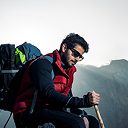
Your Adventure to Island Peak Climbing – 18 Days Starts Here
Start your journey with trusted local experts and discover the beauty, culture, and adventure waiting in the Himalayas and beyond.
Frequently Asked Questions
Everything you need to know about the AASRA ECO TREK
No formal technical climbing qualification is required, though prior trekking experience above 4,000–5,000m is strongly recommended. The dedicated training day at Base Camp (Day 14) teaches all the essential skills – crampon use, jumar ascending, and basic rope work – needed for the summit push.
Genuinely technical by trekking standards, though graded Alpine PD+ (moderately difficult), it is achievable for reasonably fit climbers with proper guidance. The route involves glacier travel with crevasse crossings and a fixed-rope headwall climbed using a jumar ascender, all under the direct guidance of your climbing Sherpa team.
Typically one climbing guide per 3 to 4 climbers, adjusted based on the group’s collective experience and comfort with technical terrain, to ensure appropriate safety and support throughout the summit push.
Supplemental oxygen is not standard for Island Peak given its altitude (6,189m), but your guide team carries an oxygen cylinder as an emergency safety measure, along with a full high-altitude first-aid kit throughout the climbing phase.
Your climbing guide continuously monitors weather conditions and will adjust the summit timing within the days available if conditions on the originally planned day aren’t safe. This is one reason building in some flexibility around your return flights, where possible, is a sensible precaution.
Yes. Mountaineering boots, crampons, and other technical gear are widely available to rent in Kathmandu’s trekking shops, and many climbers prefer this to travelling with bulky equipment, particularly for a first Island Peak attempt.
Yes, genuinely. Island Peak is widely regarded as one of the best introductory Himalayan climbing peaks precisely because it offers real glacier travel and fixed-rope climbing without demanding prior technical certification, making it a natural stepping stone for climbers considering bigger objectives in the future.
Temperatures during the pre-dawn glacier crossing can fall well below -15°C to -20°C with wind chill, even in the main spring and autumn seasons. A genuinely warm, well-tested clothing system is essential, not optional, for this climb.

Still have questions?
Can’t find the answer you’re looking for? Please chat to our friendly team.
Get In Touch