
 Plan Your Trip
Mount Kailash Tour – 17 Days
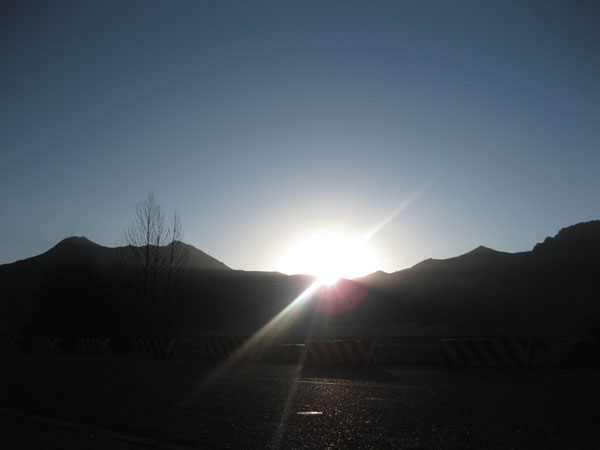

Trip Overview

Trek Region
Tibet

Difficulty Level
Hard

Transport
Private Vehicle (Nepal side) + Private Vehicle/4WD (Tibet side)

Total Trip Duration
17 Days

Max Elevation
5,630 m

Meals
B – City / BLD – On Tour
Trip Highlights
- Complete the sacred 52-kilometres kora (circuit) around Mount Kailash, a pilgrimage undertaken for millennia by Hindus, Buddhists, Jains, and Bonpo followers and considered one of the most powerful spiritual journeys on Earth.
- Cross Dolma La Pass at 5,630 m on foot, the physical and spiritual high point of the entire circuit, where pilgrims traditionally leave a personal item behind as a symbol of letting go.
- Stand before Mount Kailash itself (6,638 m), a peak considered so sacred that it has never been climbed and whose near-perfect pyramidal form is unlike any other mountain in the Himalayas.
- Bathe in or walk the shore of Lake Manasarovar, the highest freshwater lake on Earth at 4,590m, believed by Hindus to have been created in the mind of Brahma and revered across four religious traditions.
- Visit Chiu Monastery, perched on a hill directly above Manasarovar with Kailash visible on the horizon, and soak in the natural hot springs at its base.
- Cross the full length of the Tibetan Plateau overland from Kathmandu, passing in view of Shishapangma and Everest’s North Face en route to Kailash.
- Explore Lhasa’s Potala Palace and Jokhang Temple, Shigatse’s Tashilhunpo Monastery, and Gyantse’s Kumbum Stupa on the return leg, rounding out a full Tibetan cultural experience beyond Kailash itself.
- Walk a route still used today by pilgrims from across Asia, sharing the trail with monks, Hindu devotees, and Tibetan families completing a journey many consider a once-in-a-lifetime experience.
Trip Summary
Few journeys carry the weight that a trip to Mount Kailash does. For Hindus, it is the abode of Lord Shiva. For Tibetan Buddhists, it is Mount Meru, the axis of the universe. For Jains, it is the site where their first spiritual teacher attained liberation. For followers of the ancient Bon religion, it is the sacred heart of their entire cosmology. No other mountain on Earth is claimed as sacred, simultaneously and without conflict, by four separate spiritual traditions, and unlike almost every other peak of comparable stature, Kailash has never been climbed, out of respect for what it represents.
This 17-day itinerary is built around the complete pilgrimage experience, not a rushed version of it. The journey begins overland from Kathmandu, following the Friendship Highway across the Nepal–Tibet border and onto the high plateau, allowing your body to acclimatise gradually rather than all at once. Before reaching Kailash, you spend time at Lake Manasarovar, the sacred lake that traditionally precedes the mountain kora in the pilgrimage sequence. The three-day circuit around Kailash itself via Dirapuk, over Dolma La Pass, and down to Zutulpuk is given the time it demands rather than compressed into an unsafe rush over unfamiliar terrain at extreme altitude.
The return journey then takes in the fuller sweep of Tibet: Shigatse, Gyantse, and Lhasa so that a trip built around one sacred mountain also becomes a genuine tour of Tibetan culture and history.
What Makes the Mount Kailash Tour Special:
- A complete, properly paced 3-day Kailash kora rather than a rushed or partial circuit
- Full time at Lake Manasarovar, the sacred lake traditionally visited before the Kailash kora itself
- Gradual overland acclimatization from Kathmandu rather than a direct high-altitude arrival
- Views of Shishapangma and Everest’s North Face along the route to and from Kailash
- Extensive time in Lhasa, Shigatse, and Gyantse on the return leg, not treated as an afterthought
- Support crew, pack animals, and porter options available for the kora for those who need them
- Licensed guides and vehicles throughout, with oxygen and basic first aid carried on the kora route
- One of the very few itineraries that combines a full Kailash pilgrimage with a complete Tibetan cultural tour
When To Visit
Best Time to visit: May, June, September
Good Time to visit: July, August
Average Time to visit: April, October
Not Recommended: November through March
Late May through June and September offer the most reliable combination of clear skies, stable roads, and manageable temperatures at Manasarovar and Darchen. Summer months bring occasional monsoon-related rain to the Nepal side of the route, though the plateau itself typically stays dry. The Saga Dawa festival, usually falling in May or June, draws large numbers of pilgrims to Kailash for a major religious gathering and is a remarkable time to visit, though it also means significantly higher demand for accommodation. Winter closes the route almost entirely. Dolma La Pass becomes extremely hazardous or impassable under snow, and temperatures at Manasarovar and Darchen drop far below what is safely manageable.
Itinerary
Arrive at Tribhuvan International Airport in Kathmandu, where your guide will meet you and transfer you to your hotel. Spend the evening resting and reviewing the full itinerary and pilgrimage logistics ahead with your guide.
Elevation: 1,400m | Accommodation: Hotel | Meals: None
Visit Pashupatinath Temple, Boudhanath Stupa, and Swayambhunath, three of the Kathmandu Valley’s most significant religious sites, before an afternoon spent finalizing permits, gear checks, and any last-minute preparations for the journey ahead.
Elevation: 1,400m | Accommodation: Hotel | Meals: B
Drive from Kathmandu to the Nepal–Tibet border at Rasuwagadhi, complete exit and entry formalities, and cross into Tibet at Gyirong. Continue to Gyirong Town for the first overnight stop on the plateau side of the journey.
Elevation: 2,850m | Accommodation: Guesthouse | Meals: BLD
Continue onto the open Tibetan plateau, with the terrain shifting from Gyirong’s relatively sheltered valley to wide grassland and high desert plain. Arrive in Saga, a key staging town on the route toward Kailash.
Elevation: 4,500m | Accommodation: Guesthouse | Meals: BLD
Drive across the high plateau toward Lake Manasarovar, one of the most significant moments of the entire journey. As the lake comes into view, so on a clear day does Kailash itself in the distance. Visit Chiu Monastery, built into the hillside directly above the lake’s shore, and, if conditions allow, the hot springs at its base.
Elevation: 4,590m (Lake Manasarovar) | Accommodation: Guesthouse | Meals: BLD
A full day at Manasarovar to rest, acclimatize further, and take part in the rituals traditionally observed here before beginning the Kailash kora, bathing, prayer, or simply walking a section of the lake’s kora for those who wish to. This day also serves as an important buffer for altitude adjustment before continuing.
Elevation: 4,590m | Accommodation: Guesthouse | Meals: BLD
Drive to Darchen, the small town that serves as the starting and ending point for the Kailash kora. Spend the afternoon organizing porters, pack animals, or pony support for those who have arranged them and resting ahead of the three demanding days to follow.
Elevation: 4,670m | Accommodation: Guesthouse | Meals: BLD
Begin the kora, walking through Yama Dwar, the traditional entrance gate to the circuit, and following the Lha Chu Valley with Kailash’s western face visible for much of the day. The walking is moderate, gradual, and scenic, ending at Dirapuk, from where Kailash’s iconic North Face is visible in full from the guesthouse.
Elevation: 4,920m (Dirapuk) | Distance: ~20km | Accommodation: Basic Lodge | Meals: BLD
The single most demanding day of the entire trip. An early start leads to a steep, sustained climb to Dolma La Pass at 5,630 m, the highest point of the kora, marked by prayer flags and considered the spiritual climax of the pilgrimage. Many pilgrims leave behind a personal item at the pass as a symbolic act of release. The descent continues past Gauri Kund, a small sacred lake, before a long final stretch down to Zutulpuk.
Elevation: 5,630m (Dolma La Pass) | Distance: ~18–22km | Accommodation: Basic Lodge | Meals: BLD
A shorter, gentler final day completes the circuit back to Darchen, closing the 52-kilometres kora. Most trekkers describe this last stretch as a quiet, reflective walk after the intensity of the previous day at Dolma La.
Elevation: 4,670m (Darchen) | Distance: ~14km | Accommodation: Guesthouse | Meals: BLD
A built-in buffer and recovery day following the kora is used either to rest fully in Darchen or, depending on group condition and schedule, to begin the drive back toward Saga. Your guide will confirm the best option based on how the group is feeling after Dolma La.
Elevation: 4,500–4,670m | Accommodation: Guesthouse | Meals: BLD
Continue the return journey east, with views of Shishapangma appearing along the way. Arrive in Old Tingri, the small settlement traditionally used as a base for the Everest region, with Everest’s North Face visible from town on a clear afternoon.
Elevation: 4,390m | Accommodation: Guesthouse | Meals: BLD
Cross Gyatso La Pass at 5,220m before descending toward Shigatse, Tibet’s second-largest city, marking a return to noticeably gentler terrain after the extremes of the Kailash kora.
Elevation: 3,840m (Shigatse) | Accommodation: Hotel | Meals: BLD
Visit Tashilhunpo Monastery, seat of the Panchen Lama since 1447, home to a 26-meter gilded statue of the Future Buddha and the tombs of several Panchen Lamas. Spend the afternoon exploring Shigatse’s old town and market streets.
Elevation: 3,840m | Accommodation: Hotel | Meals: BLD
Drive to Gyantse and visit Pelkor Chode Monastery and its Kumbum Stupa, a nine-tiered structure containing over 100,000 painted and sculpted Buddhist images, beneath the old hilltop fort that once guarded this historic trading town.
Elevation: 3,980m | Accommodation: Hotel | Meals: BLD
The final overland leg, passing Karo La Pass (5,010m) and running alongside the turquoise waters of Yamdrok Lake before crossing Kamba La Pass (4,794m) and descending into Lhasa by evening. If time allows, visit the Potala Palace or Jokhang Temple on arrival.
Elevation: 3,656m (Lhasa) | Accommodation: Hotel | Meals: BLD
Your guide will accompany you to Lhasa Gonggar Airport for your onward flight. Looking back over the road from Kathmandu through Manasarovar, Dolma La, and now Lhasa, this journey will likely stand as one of the most significant of your life, regardless of the faith or perspective you brought to it.
Elevation: 3,656m to departure | Meals: B
Trek Difficulty & Physical Demands
The Mount Kailash Tour is classified as challenging, the most demanding of Tibet’s major overland pilgrimage routes. While most of the journey is covered by private vehicle, the three-day Kailash kora is walked entirely on foot across roughly 52 kilometres, including a full day crossing Dolma La Pass at 5,630 m, the most physically demanding single day most travellers will encounter anywhere in the Himalayas.
Elevation Profile
- Kathmandu: 1,400m
- Gyirong Town: 2,850m
- Saga: 4,500m
- Lake Manasarovar: 4,590m
- Darchen: 4,670m
- Dirapuk: 4,920m
- Dolma La Pass: 5,630m (highest point of the trip)
- Zutulpuk: 4,760m
- Old Tingri: 4,390m
- Gyatso La Pass: 5,220m
- Lhasa: 3,656m
Altitude Considerations
- The gradual climb from Kathmandu through Saga and Manasarovar is designed to acclimatize the body well before the kora begins
- Day 6 at Manasarovar is a deliberate rest day, not filler; use it fully
- Dolma La Pass day (Day 9) is long, cold, and physically taxing even for fit trekkers; pace yourself and follow your guide’s lead
- Pack animals, porters, or pony support can be arranged for those unable to carry their own gear or complete sections on foot
- Discuss Diamox (acetazolamide) with your doctor before travel, and consider this essential rather than optional for this specific itinerary
- Guides carry basic first aid and oxygen throughout the kora route; evacuation options from Dirapuk and Zutulpuk are limited and slow, so honest self-assessment of fitness before booking matters
Who This Tour Suits
- Pilgrims and spiritually motivated travellers seeking the complete, traditional Kailash experience
- Trekkers with genuine hiking fitness, comfortable walking 15–22km per day at high altitude
- Those who have previously spent time above 4,000–5,000m and know how their body responds
- Travellers willing to use porter or pony support for the kora rather than treating it as a fitness challenge
- Anyone in good cardiovascular health with no untreated heart, lung, or blood pressure conditions
Who Should Reconsider
- Those with no prior high-altitude experience and limited hiking background
- Travellers with heart, lung, or circulatory conditions not cleared by a physician for extreme altitude
- Anyone unable to commit to a full walking day of 8–10 hours at over 5,000m
Best Time to Trek: Seasonal Comparison
Late Spring (May to Early June) Rating: Excellent Clear skies, stable roads, and the Saga Dawa festival period offer one of the most rewarding times to visit, with a significant increase in pilgrim numbers around the festival itself.
Summer (June to August) Rating: Good Warm on the plateau with occasional monsoon-related rain affecting the Nepal side of the route. Manasarovar and Kailash themselves typically remain dry, though road conditions can be affected by rain runoff in places.
Early Autumn (September) Rating: Excellent. Post-monsoon clarity gives some of the best mountain visibility of the year, with cooler but still manageable temperatures at Manasarovar and Darchen.
Shoulder Season (April, October) Rating: Average workability but colder, particularly at Dolma La Pass, with a higher chance of early or late snow affecting the Kora.
Winter (November to March) Rating: Not Recommended. Dolma La Pass becomes extremely hazardous or fully impassable under snow, and temperatures at Manasarovar and Darchen drop well below what is safely manageable for this itinerary.
Recommendation: Late May through June or September for the most reliable combination of weather, road conditions, and a safely walkable Dolma La Pass.
Booking Your Mount Kailash Tour – 17 Days
Step 1: Book Your Flight into Kathmandu This tour starts and is arranged from Kathmandu. A standard Nepal tourist visa, available on arrival for most nationalities, covers the Kathmandu portion of the trip.
Step 2: Your Operator Arranges the Tibet Group Visa Travelers entering Tibet overland from Nepal require a Tibet Group Visa, processed through the Chinese Visa Application Service Centre in Kathmandu once you arrive, typically taking 3–4 working days. This is separate from a standard individual Chinese visa.
Step 3: Your Operator Arranges the Tibet travel permit and Kailash-area permits. Given the route runs through restricted border areas near Kailash and Manasarovar, this itinerary requires additional permits beyond the standard Tibet Travel Permit, arranged directly by your licensed operator.
Step 4: Decide on Porter, Pony, or Pack Animal Support If you anticipate needing help carrying gear or completing sections of the kora, arrange this with your operator well before departure; availability, especially around Saga Dawa, can be limited.
Step 5: Confirm Travel Insurance. Insurance must explicitly cover medical treatment and evacuation above 5,500 m, given the route crosses Dolma La Pass at 5,630 m, and should also cover trip interruption given the remoteness of the Kora itself.
Step 6: Pay Deposit and Confirm Booking A 30–50% deposit is standard, with the balance due before departure from Kathmandu.
Important Notes:
- Because the Tibet Group Visa is processed in Kathmandu, your passport must remain with your operator for several days early in the trip
- Accommodation and services along the kora route (Dirapuk, Zutulpuk) are genuinely basic; expect simple dormitory-style lodges, not hotels
- Evacuation from the kora route is slow and limited; travellers with underlying health conditions should seek medical clearance well before booking
- A licensed guide must accompany you at all times outside your hotel throughout the Tibet portion of the journey
- Demand and prices rise significantly around Saga Dawa; book well in advance if travelling during this period
Cost Details
Cost Includes
- 16 nights’ accommodation (hotel in Kathmandu/Shigatse/Gyantse/Lhasa, guesthouse in Gyirong/Saga/Manasarovar/Darchen, basic lodge on the kora route)
- All meals during the tour (BLD on touring days, B on arrival/departure)
- Private vehicle and driver for the full Nepal and Tibet overland route
- Licensed English-speaking guides on both the Nepal and Tibet sides
- Tibet Group Visa processing, Tibet Travel Permit, and Kailash-area permits
- All monastery, palace, and museum entry fees
- Potala Palace timed entry ticket (limited daily quota pre-booked)
- Oxygen supply and basic first aid kit for the kora and high-altitude sections
- Airport pickup in Kathmandu and drop-off in Lhasa
- Guide’s accommodation, meals, and insurance
- Government taxes and service charges
Cost Excludes
- International flights to Kathmandu and onward flights from Lhasa
- Nepal tourist visa (available on arrival for most nationalities)
- Porter, pony, or pack animal support for the kora (available on request, at additional cost)
- Travel insurance (compulsory; must cover altitude above 5,500m and evacuation)
- Personal expenses, alcoholic beverages, and optional activities
- Tips for guides, drivers, and kora support staff
- Meals outside the included package
Trip Gallery
Trek Essentials
- Warm base layers (merino wool or synthetic; avoid cotton)
- Insulated down jacket, essential for Manasarovar, Darchen, and especially Dolma La Pass
- Windproof, waterproof outer shell and waterproof trousers
- Warm hat, insulated gloves, and buff for Dolma La Pass
- Sturdy, well broken-in trekking boots for the full 3-day kora
- Trekking poles, strongly recommended for the Dolma La descent
- Personal prescription medications in original packaging
- Diamox (acetazolamide): Consult your doctor before travel; treat as essential for this itinerary
- Sunscreen SPF 50+ and lip balm SPF 30+ UV at altitude is severe
- Quality UV-blocking sunglasses or glacier glasses for the Dolma La snowfields
- Reusable water bottle and water purification tablets or a filter
- A basic personal first-aid kit for blisters, minor injuries, and altitude symptoms
- Passport (valid at least 6 months beyond travel, with blank visa pages)
- Passport photos for the Tibet Group Visa application
- Nepal arrival visa (or pre-arranged e-visa)
- Tibet Group Visa, Tibet Travel Permit, and Kailash-area permits (arranged by your operator)
- Travel insurance documents with emergency contact numbers, including evacuation coverage
- Sturdy daypack (30–35 litres) for the kora days
- Sleeping bag liner (lodges on the kora route are basic; extra warmth is valuable)
- Headlamp with spare batteries
- Camera with spare batteries (cold drains batteries fast at altitude)
- Portable power bank, since charging is unreliable or unavailable on the kora route
Final Thoughts:
Some journeys are measured in kilometres. Others are measured in what they ask of you and what they leave behind. Mount Kailash belongs firmly to the second category. Its kora is not a particularly long circuit by trekking standards, but the altitude, the history layered into every step, and the sheer number of pilgrims from radically different faiths walking the same path make it unlike anything else in the Himalaya.
This 17-day itinerary gives that journey the time and pacing it deserves: a gradual overland approach from Kathmandu, proper rest at Manasarovar before the kora begins, three unhurried days around Kailash itself, and a full return through Tibet’s major cultural sites rather than a rushed exit. Whether you come as a pilgrim, a trekker, or simply someone drawn to a mountain that four religions have quietly agreed never to climb, Kailash asks for your full attention. This itinerary is built to give you the time to give it.
Your Adventure to Mount Kailash Tour – 17 Days Starts Here
Start your journey with trusted local experts and discover the beauty, culture, and adventure waiting in the Himalayas and beyond.
Frequently Asked Questions
Everything you need to know about the AASRA ECO TREK
You need genuine hiking fitness and ideally some prior experience at altitude, but you do not need technical mountaineering skills. The Kora is a walking circuit, not a climb, though the Dolma-La Pass day is long and physically demanding. Porter, pony, or pack animal support can be arranged for those who need help carrying gear or completing sections on foot.
Yes. Pony and porter support is commonly arranged for pilgrims and travellers who cannot or prefer not to walk the full circuit, particularly the demanding Dolma La Pass day. Arrange this with your operator well in advance, since availability is limited, especially during Saga Dawa.
Dolma La Pass, at 5,630 m, is the highest and most demanding point of the kora, involving a long, cold, steep ascent and descent over a full day. It is not technically dangerous in good conditions and with proper acclimatisation, but it is physically taxing even for fit trekkers, and altitude-related symptoms are common. Following your guide’s pacing and being honest about how you feel is essential.
No. Out of respect for its sacred status across four religious traditions, Kailash has never been climbed and is not open for mountaineering. The pilgrimage experience is the kora, the circuit walked around its base, not an ascent of the mountain itself.
Saga Dawa is a major Tibetan Buddhist festival, usually falling in May or June, commemorating the birth, enlightenment, and death of the Buddha. It draws large numbers of pilgrims to Kailash and is considered an especially auspicious time to complete the kora, though it also means higher demand for accommodation and services. Booking well in advance is essential if traveling during this period.
Since the tour starts in Kathmandu, you will need a standard Nepal arrival visa for the Kathmandu portion, followed by a Tibet group visa, arranged by your operator through the Chinese Visa Application Service Centre in Kathmandu once you arrive. This process typically takes 3–4 working days and requires your passport to remain with your operator during that time.
Genuinely basic. Lodges at Dirapuk and Zutulpuk are simple, often dormitory-style, with limited heating and shared facilities. This is a meaningful step down from the hotels and guesthouses used elsewhere on the trip, and travelers should set expectations accordingly.
Both and more. Kailash is sacred to Hindus, Tibetan Buddhists, Jains, and followers of the Bon religion, and the kora is walked by pilgrims from all four traditions, often side by side. The itinerary itself is not built around any single religious framework and welcomes travellers of any faith or none.
Your guide and support crew will assess the situation and, where possible, arrange for pony or porter assistance to help you complete the remaining distance. Evacuation options from remote sections of the Kora are limited and slow, which is why honest pre-trip fitness assessment and appropriate acclimatization beforehand matter significantly for this specific itinerary.
Yes, in principle, since all three routes share sections of the same overland corridor across the Tibetan Plateau. Combining them into a single extended itinerary is possible but requires additional time and permit planning. Speak with your operator about tailoring a combined journey if this interests you.

Still have questions?
Can’t find the answer you’re looking for? Please chat to our friendly team.
Get In TouchSimilar Packages
Ganden to Samye Trek – 15 Days
5,250 m
Max. Elevation
15 Days
Duration
Hard Level
Kathmandu to Lhasa Overland Tour – 12 Days
5,220m
Max. Elevation
12 Days
Duration
Moderate Level
Everest Base Camp Tibet Tour – 13 Days
5,200 m
Max. Elevation
13 Days
Duration
Moderate Level
We are associate with
