
 Plan Your Trip
Unbeatable Snowman Trek – 30 Days

Trip Overview

Trek Region
Bhutan

Difficulty Level
Hard

Transport
Flight + Private Vehicle + Trekking (pack horses/yaks)

Total Trip Duration
30 Days

Max Elevation
5,350m

Meals
B – Arrival & Departure Days / BLD – Remaining Days
Trip Highlights
- Take on what is widely regarded as the hardest trek in the world, crossing eleven high mountain passes, several above 5,000m, along Bhutan’s remote northern border with Tibet.
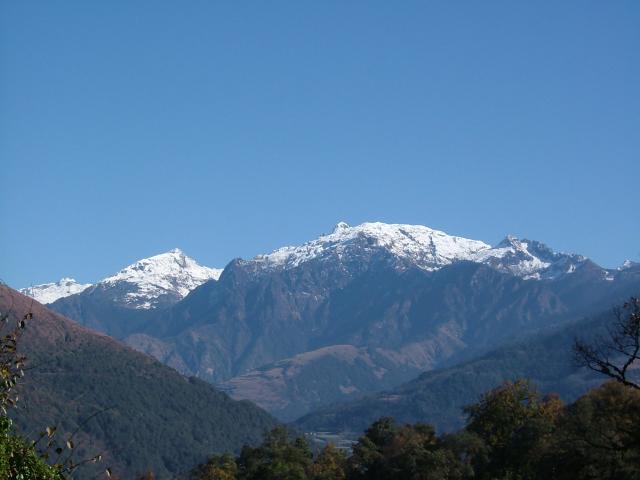
- Reach Rinchen Zoe La at 5,350m, the highest point of the entire journey, with a direct view of Gangkar Puensum (7,570m), the world’s highest unclimbed mountain.
- Trek deep into Lunana, one of the most isolated inhabited regions on Earth, reachable only on foot and cut off by snow for much of the year.
- Visit Laya, home to the Layap people, distinguished by their conical bamboo hats and a way of life found nowhere else in the Himalaya.
- Camp beside glacial lakes and turquoise tarns fed directly by the ice fields of peaks exceeding 7,000m.
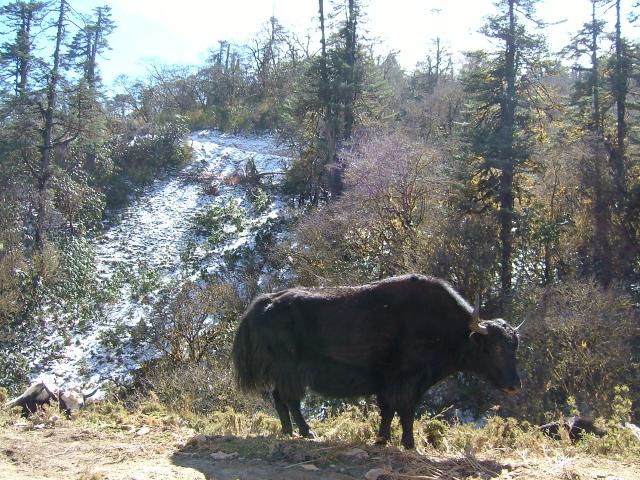
- Walk through yak pastures where sightings of blue sheep, and occasionally snow leopard tracks, are part of daily life on the trail.
- Begin the journey with the classic hike to Taktsang Monastery, the Tiger’s Nest, in Paro.
- Finish the trek at the Duer Hot Springs before descending into the Bumthang Valley, Bhutan’s spiritual heartland, for a well-earned close to the journey.
Trip Summary
The Snowman Trek is not a trek most people take on, and that is exactly the point. Statistically, more people summit Mount Everest each year than complete this route in full. It combines extreme altitude, remoteness, and duration in a way no other trek in the world does, following the classic Jomolhari trail north before continuing deep into Lunana, a district so isolated that many of its villages remain snowbound and inaccessible for most of the year.
This 30-day itinerary begins gently, with time in Paro to acclimatize and the essential hike to Tiger’s Nest, before the trekking begins in earnest at Shana. From there, the route mirrors the classic Jomolhari trek as far as Lingshi, then breaks away northeast into territory that only a small number of trekkers attempt each season. Over the following three weeks, the trail crosses eleven passes above 4,500m, several above 5,000m, culminating at Rinchen Zoe La, the highest point of the trek at 5,350m, before descending through Bhutan’s remote hot springs country into the Bumthang Valley.
This is not a trip to take lightly. It demands serious prior high-altitude trekking experience, sustained physical conditioning, and genuine comfort with extended time in remote, self-sufficient conditions far from any medical support. For those prepared for it, the Snowman Trek offers something almost no other trek on Earth can: near-total solitude among some of the highest, least-visited terrain in the Himalaya.
What Makes the Unbeatable Snowman Trek Special:
- Widely regarded as the world’s most difficult trek, crossing eleven passes above 4,500m
- A rare, extended journey through Lunana, one of the most isolated inhabited regions on the planet
- Rinchen Zoe La at 5,350m, the trek’s highest point, with direct views of Gangkar Puensum
- Full support crew with pack animals, camping equipment, and dedicated cook staff throughout
- Built-in acclimatization days at Jangothang, Laya, and Thanza
- The Tiger’s Nest hike included as a cultural opening to the journey
- A genuine expedition-grade Himalayan experience for trekkers who have already proven themselves at altitude
When To Visit
Jan – Feb: Not Recommended (Passes Closed by Snow)
Mar – May: Not Recommended (Late Spring Only, High Snow Risk)
Jun – Aug: Not Recommended (Monsoon, Impassable Rivers)
Sep – Nov: Best Time to Visit
Dec: Not Recommended (Passes Closed by Snow)
The Snowman Trek has an unusually narrow weather window compared to other Bhutan treks. Late September through late October is by far the most reliable period, after the summer monsoon has cleared and before winter snow closes the higher passes. Some operators also run a shorter window in early autumn or occasionally in September; outside this window, the route carries a serious risk of impassable passes and river crossings.
Itinerary
Fly into Paro on one of the most dramatic approaches in commercial aviation, descending between forested ridgelines into Bhutan’s green river valley. Your guide will meet you at the airport and transfer you to your hotel. Spend the afternoon settling in, followed by a trip briefing and welcome dinner.
Elevation: 2,250m | Accommodation: Hotel | Meals: B
A day to acclimatize and explore the Paro Valley. Visit Rinpung Dzong and Ta Dzong, the National Museum, then drive to the ruins of Drukgyal Dzong, from where Mt. Chomolhari appears on clear days.
Elevation: 2,250m | Walking: 2-3 hours | Accommodation: Hotel | Meals: BLD
A fitting cultural opening to the trek ahead. Hike to Taktsang Monastery, perched 900 metres above the valley floor on a sheer cliff face, a site tied to Guru Rinpoche and continuously used since the 8th century. The ascent takes roughly two to three hours, with a teahouse rest stop at the halfway point.
Elevation: 3,120m | Walking: 4-5 hours return | Accommodation: Hotel | Meals: BLD
Drive to Gunitsawa village, the last settlement before the trailhead, where your trekking permit is checked. The trek begins here, following the Paro Chhu river through blue pine forest to your first camp.
Elevation: 2,850m | Trekking Time: 3-4 hours | Accommodation: Camping | Meals: BLD
A long day with repeated ascents and descents alongside the Paro Chhu, crossing the river several times on wooden bridges through rhododendron, oak, and fir forest before entering Jigme Dorji National Park.
Elevation: 3,610m | Trekking Time: 6-7 hours | Accommodation: Camping | Meals: BLD
The valley widens into alpine meadow as the trail climbs past an army outpost, with increasingly open views toward Mt. Chomolhari. Arrive at Jangothang, one of the most celebrated campsites in the Himalaya, set directly beneath the mountain’s east face.
Elevation: 4,040m | Trekking Time: 5-6 hours | Accommodation: Camping | Meals: BLD
A rest day built in for altitude adjustment, with an optional hike to the twin glacial lakes of Tshophu (4,300m), where blue sheep are often spotted grazing the surrounding slopes.
Elevation: 4,040m | Trekking Time: Optional 4 hours | Accommodation: Camping | Meals: BLD
Climb to Nyile La Pass at 4,890m, with spectacular views of Chomolhari, Jichu Drake, and Tserim Gang. Descend into the Lingshi basin, where the ruined Lingshi Dzong comes into view.
Elevation: 4,150m (Lingshi) | Trekking Time: 6-7 hours | Accommodation: Camping | Meals: BLD
A shorter, gentler day, visiting Lingshi Dzong before an easy walk to the small settlement of Chebisa, known for a dramatic waterfall cascading down the cliffs above camp.
Elevation: 3,880m | Trekking Time: 4-5 hours | Accommodation: Camping | Meals: BLD
Climb steadily to Gombu La Pass (4,530m), where blue sheep are frequently spotted on the surrounding slopes, before descending to camp at Shomuthang.
Elevation: 4,220m | Trekking Time: 6-7 hours | Accommodation: Camping | Meals: BLD
Cross Jhari La Pass (4,750m) with views of Gangchhenta (Great Tiger Mountain), then descend through rhododendron forest to camp at Robluthang.
Elevation: 4,160m | Trekking Time: 6-7 hours | Accommodation: Camping | Meals: BLD
The most demanding pass so far. Sinche La (5,005m) is the trek’s first crossing above 5,000m, with sweeping views toward Gangchhenta and the Lunana peaks beyond. Descend through rhododendron and past a glacial lake to camp.
Elevation: 4,140m | Trekking Time: 7-8 hours | Accommodation: Camping | Meals: BLD
A relatively gentle descent along the Mo Chhu river valley, through forest and past small settlements, to Laya, home of the distinctive Layap people, recognisable by their conical bamboo hats.
Elevation: 3,840m | Trekking Time: 4-5 hours | Accommodation: Camping | Meals: BLD
A full acclimatization day in one of Bhutan’s most distinctive villages. Explore Laya on foot, meet local families, and rest ahead of the demanding stages into Lunana that follow.
Elevation: 3,840m | Walking: Optional 2-3 hours | Accommodation: Camping | Meals: BLD
Leave Laya and begin heading toward the Lunana trail junction, climbing gradually through conifer, maple, and rhododendron forest as the trail narrows and steepens.
Elevation: 4,160m | Trekking Time: 6-7 hours | Accommodation: Camping | Meals: BLD
A long day crossing Tsimo La Pass (4,950m), descending past dwarf rhododendron in the shadow of Gangla Karchung (6,395m) to camp on the high, open plateau at Narethang.
Elevation: 4,900m | Trekking Time: 8-9 hours | Accommodation: Camping | Meals: BLD
Climb to Karchung La Pass (5,240m), one of the trek’s highest points, with views of Jejekangphu Gang (7,300m) and Tsenda Kang (7,100m) rising above glacial lakes. Descend steeply to camp at Tarina, the source of the Tang Chhu river.
Elevation: 4,020m | Trekking Time: 6-7 hours | Accommodation: Camping | Meals: BLD
A gentler day following the Tang Chhu river downstream through forest to the small settlement of Woche, one of Lunana’s remote villages, tucked into a narrow side valley.
Elevation: 3,940m | Trekking Time: 5-6 hours | Accommodation: Camping | Meals: BLD
Cross Keche La Pass before descending to Lhedi, a village of stone houses set on high terraces above the river, passing a sacred lake en route where visitors are asked to show particular respect.
Elevation: 3,700m | Trekking Time: 6-7 hours | Accommodation: Camping | Meals: BLD
Follow the river valley to Thanza, the largest and most remote settlement in Lunana, set beneath the dramatic ice walls of Table Mountain (Zongphu Gang, 7,100m).
Elevation: 4,150m | Trekking Time: 4-5 hours | Accommodation: Camping | Meals: BLD
A second essential acclimatization day ahead of the trek’s highest and most demanding stages. Explore the village, rest, and prepare for the days of high passes that follow.
Elevation: 4,150m | Walking: Optional | Accommodation: Camping | Meals: BLD
Climb past Danji, a summer yak grazing ground where blue sheep are often seen, to the junction below Jaze La Pass (5,200m), which opens onto majestic views in every direction. Descend past snow-capped peaks and lakes to camp at Tshochena.
Elevation: 5,000m | Trekking Time: 6-7 hours | Accommodation: Camping | Meals: BLD
Follow the shore of a blue-green lake before climbing to a ridge at 5,150m with 360-degree views of the surrounding peaks. Cross Loju La Pass (5,170m), a wide yak pasture criss-crossed with trails, before descending to Jichu Dramo, the highest campsite of the entire trek.
Elevation: 5,050m | Trekking Time: 6-7 hours | Accommodation: Camping | Meals: BLD
The high point of the entire Snowman Trek. Climb through moraine to Rinchen Zoe La at 5,350m, the pass dividing the Pho Chhu and Mangde Chhu river basins, with a direct view of Gangkar Puensum (7,570m), the world’s highest unclimbed mountain. Descend through juniper and rhododendron to camp at Chukarpo.
Elevation: 4,400m | Trekking Time: 5-6 hours | Accommodation: Camping | Meals: BLD
Follow the riverbank and yak pastures to Galapang Chhu, then climb steeply through juniper and silver fir forest to a hidden, clear turquoise lake, Thampe Tsho, where camp is set on the shore.
Elevation: 4,300m | Trekking Time: 5-6 hours | Accommodation: Camping | Meals: BLD
Cross Thampe La Pass (4,600m), the last significant pass of the Snowman Trek, before a long descent toward Maurothang, with the terrain and vegetation noticeably softening as elevation drops.
Elevation: 3,600m | Trekking Time: 6-7 hours | Accommodation: Camping | Meals: BLD
Descend further along the Chamkar Chhu valley to Duer Tsachu, Bhutan’s most remote and renowned hot springs, traditionally used by Bhutanese trekkers and pilgrims for their believed healing properties. A well-earned soak awaits after more than three weeks on the trail.
Elevation: 3,590m | Trekking Time: 5-6 hours | Accommodation: Camping | Meals: BLD
The final trekking day follows the Chamkar Chhu downstream to Duer village, where the trek officially ends. A vehicle meets the group here for the drive into Bumthang, where a proper bed, hot shower, and celebratory dinner await after 24 days on the trail.
Elevation: 2,600m (Bumthang) | Trekking Time: 4-5 hours | Accommodation: Hotel | Meals: BLD
Drive back across central Bhutan via Trongsa and Pele La Pass, with time to visit Punakha Dzong or explore Thimphu, depending on timing and group preference, before an overnight stop.
Elevation: 1,200m (Punakha) or 2,320m (Thimphu) | Walking: Light | Accommodation: Hotel | Meals: BLD
A final drive to Paro, with time for last-minute shopping before transferring to Paro International Airport for your onward flight, bringing the Unbeatable Snowman Trek to a close.
Elevation: 2,250m | Accommodation: Departure | Meals: B
Trek Difficulty & Physical Demands
The Unbeatable Snowman Trek is graded as extreme. It is consistently ranked among the hardest treks in the world and should only be attempted by trekkers with significant prior high-altitude experience and excellent physical conditioning.
Elevation Profile
- Lowest point: Paro at 2,250m
- Highest point: Rinchen Zoe La Pass at 5,350m
- 24 consecutive trekking days, with 11 passes above 4,500m and several above 5,000m
- Multiple nights camping above 4,500m, including the highest camp at Jichu Dramo (5,050m)
Daily Walking Expectations
- Most trekking days run 5 to 9 hours, with several long pass-crossing days
- Trails range from established paths to rough, exposed terrain with scree and river crossings
- Pack horses or yaks carry camping equipment; trekkers carry only a daypack
- Weather and river conditions can require itinerary flexibility, particularly in Lunana
Altitude Considerations
- Three dedicated acclimatization days are built in at Jangothang, Laya, and Thanza
- Multiple consecutive days above 4,500m demand serious respect for altitude and pacing
- Altitude sickness is a genuine, ever-present risk on this route; self-awareness and open communication with your guide are essential
- Emergency evacuation from Lunana is extremely limited, underscoring the importance of prior acclimatization and fitness
Physical Fitness Requirements
- Excellent cardiovascular fitness built over a minimum of 3-4 months of dedicated training
- Prior experience on at least one other high-altitude, multi-day camping trek
- Comfort with sustained effort across 24 consecutive trekking days
- Mental resilience for extended time in remote, self-sufficient conditions
Who This Trek Suits:
- Highly experienced trekkers seeking the ultimate Himalayan challenge
- Those who have already completed treks above 5,000m and know how their body responds at extreme altitude
- Adventurers drawn to genuine remoteness and solitude, well beyond any other Bhutan trekking route
- Trekkers comfortable with extended camping, basic facilities, and limited emergency access
- Anyone for whom “the hardest trek in the world” is a reason to go, not a reason to hesitate
Best Time to Trek: Seasonal Comparison
Spring (March to May)
Rating: Not Recommended Late-season snow frequently blocks the higher passes, particularly those above 5,000m in Lunana, making this a high-risk window for the full route.
Advantages:
- Quieter trails than autumn, for those attempting a shortened version
Disadvantages:
- Significant risk of impassable high passes
- Most operators do not run full Snowman departures in spring
Summer/Monsoon (June to August)
Rating: Not Recommended Monsoon rains make river crossings dangerous and trails hazardous throughout, and this window is not used for Snowman Trek departures.
Advantages:
- None recommended for this trek
Disadvantages:
- Impassable rivers and landslide risk
- Persistent cloud cover obscuring the trek’s defining mountain views
Autumn (September to November)
Rating: Excellent The only reliable season for the Snowman Trek, with late September to late October offering the most stable window before winter snow returns.
Advantages:
- Clearest skies and most stable pass conditions of the year
- Best visibility of Gangkar Puensum and the Lunana peaks
- The window virtually all operators use for full Snowman departures
Disadvantages:
- Even within this window, early snow can occasionally affect the latest departures
- Cold nights at high camps, particularly above 5,000m
Winter (December to February)
Rating: Not Recommended All high passes are closed by snow, making the route impassable.
Advantages:
- None; this trek is not operated in winter
Disadvantages:
- Passes fully closed
- Extreme cold and avalanche risk
Recommendation: Late September to late October is effectively the only viable window for the full Unbeatable Snowman Trek. Confirm exact departure dates with your operator, as the window can shift slightly year to year depending on the monsoon’s retreat.
Booking Your Unbeatable Snowman Trek – 30 Days
Step 1: Honestly Assess Your Readiness
This is widely considered the hardest trek in the world. Prior completion of at least one multi-day trek above 5,000m is strongly recommended before committing to this itinerary.
Step 2: Choose Your Season
Late September to late October is the only realistic window. Confirm your operator’s specific departure dates well in advance, as availability is limited.
Step 3: Secure Your Visa, Permits, and SDF
All visitors must book through a licensed Bhutanese tour operator, who arranges your visa clearance letter and special trekking and route permits for the restricted Lunana region and includes the Sustainable Development Fee in your package.
Step 4: Book International Flights
Paro is served by Druk Air and Bhutan Airlines from hubs including Kathmandu, Delhi, Kolkata, Bangkok, and Singapore. Book early, as autumn departures for this trek are limited in number.
Step 5: Arrange Specialist Travel Insurance
Confirm your policy explicitly covers high-altitude trekking above 5,500m and includes helicopter evacuation, given the extreme remoteness of the Lunana section.
Step 6: Begin Training Immediately
Start a structured fitness program at least 3-4 months ahead, ideally including a shorter high-altitude trek as preparation and a medical check-up confirming fitness for extreme altitude.
Tips for Snowman Trek Aspirants:
- Do not attempt this trek as your first high-altitude experience
- Build in buffer days where possible, as weather and river conditions in Lunana can require schedule flexibility
- Discuss preventive altitude medication such as Diamox with your doctor well before departure
- Pack for genuine extremes: sub-zero nights above 5,000m alongside warmer lower valleys
- Choose an operator with a strong safety record and experienced Lunana-specific crew
Cost Details
Cost Includes
- 5 nights hotel accommodation (Paro, Thimphu/Punakha, Bumthang) and 24 nights full-service camping
- All meals throughout the trip
- Experienced English-speaking licensed Bhutanese trekking guide and full camp crew
- Pack horses or yaks for carrying camping and kitchen equipment
- Private vehicle transport for all transfers and sightseeing
- Airport pickup and drop-off in Paro
- Bhutan Sustainable Development Fee, Tourism Levy, and special Lunana route permits
- Trekking permits and national park fees
- Entry fees to dzongs, monasteries, and museums
- First aid kit and basic emergency oxygen carried by the guide
Cost Excludes
- International flights to and from Paro
- Specialist travel insurance, including high-altitude and helicopter evacuation cover (compulsory)
- Bhutan entry visa fee (paid on arrival)
- Gratuities for guide, cook, and crew
- Personal trekking gear (sleeping bag rated for extreme cold, down jacket, trekking poles)
- Personal expenses such as laundry, phone use, and souvenirs
- Emergency evacuation costs beyond what insurance covers
Trip Gallery
Final Thoughts:
The Unbeatable Snowman Trek is not a trek to take on lightly, and it does not pretend to be. Thirty days, eleven passes, camps above 5,000m, and a stretch through Lunana that few outsiders ever see, this is Himalayan trekking at its absolute limit. For trekkers who have earned the experience and fitness to attempt it, the reward is a journey that very few people on Earth complete: weeks of near-total solitude among some of the highest, wildest terrain the Himalaya has to offer, bookended by Bhutan’s cultural heart in Paro and Bumthang.
This is not a trek for everyone. For the right trekker, it may be the trek of a lifetime.
Your Adventure to Unbeatable Snowman Trek – 30 Days Starts Here
Start your journey with trusted local experts and discover the beauty, culture, and adventure waiting in the Himalayas and beyond.
Frequently Asked Questions
Everything you need to know about the AASRA ECO TREK
It is widely described that way by trekking operators and outdoor publications, largely due to the combination of extreme altitude, eleven high passes, extended remoteness, and duration. Statistically, far fewer people complete it each year than summit Mount Everest.
Yes, this is essential. Prior completion of at least one multi-day trek above 5,000m is strongly recommended before attempting the Snowman Trek.
Given the trek’s remoteness, itineraries are built with some flexibility. Your guide and crew will assess conditions daily, and in rare cases, route adjustments may be necessary.
Options are extremely limited compared to more accessible parts of Bhutan. This is why specialist insurance covering high-altitude helicopter evacuation and thorough personal preparation are essential.
Some operators offer a shorter version ending at Laya or Lunana rather than continuing to Bumthang, though this itinerary is built around the full classic route. Speak with your operator about alternatives if 30 days isn’t feasible.
? It varies by operator and year, but the Snowman Trek has a meaningfully lower completion rate than other major Himalayan treks due to its length, altitude, and the possibility of weather-related route changes.
Yes, and it must specifically cover high-altitude trekking above 5,500m and helicopter evacuation from remote regions, not just standard travel insurance.
A general guideline is USD 15-20 per day for the lead guide, with a shared pool of USD 10-15 per day per trekker for the cook and camp crew, given at the end of the trip, reflecting the demands of this exceptionally long and difficult trek.

Still have questions?
Can’t find the answer you’re looking for? Please chat to our friendly team.
Get In TouchSimilar Packages
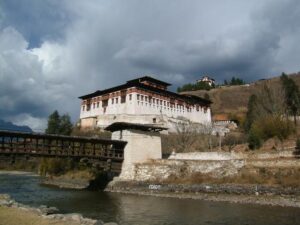
Classic Laya Trek – 22 Days
5,005m
Max. Elevation
Hard Level
Eastern Bhutan Tour – 15 Days
4,000m
Max. Elevation
15 Days
Duration
Moderate Level
Dragon Heart Experience – 14 Days
3,420m
Max. Elevation
14 Days
Duration
Moderate Level
We are associate with
