- HOME
- Destination
- Adventure Activities
- About Us
- BLOGS
- CONTACT US

You might be all round familiar with
You might be all round familiar with high altitude sickness and the dangers it poses in high altitude trekking and mountaineering. Well, are you familiar with Reverse Altitude Sickness? It might sound cynical at first, but there does exist a situation where one suffers from reverse altitude or low altitude sickness.
If your body is accustomed to a higher altitude and travel to lower altitude without giving the body time to acclimate when descending to a lower altitude, you will likely see symptoms of reverse altitude sickness. There have been many incidents relating to reverse altitude sickness. People living in higher altitudes when travel to lower areas fell fuzzy, dizzy and experience mild headaches, increased appetite and sleep long hours. Athletes who train at an elevation of 2000 meters to 3000 meters travel early if the competition site is in lower elevations like 0 to 500 meters. They reach priorly to adapt to the lower altitude and dissipate reverse altitude sickness symptoms.
If you have been living at higher elevations for more than 6 months and have already acclimated to a higher altitude, you are likely to suffer from reverse altitude sickness when returning to low lands quickly. The rapid descent to a lower altitude is the cause of reverse altitude sickness. Many travelers report on feeling heaviness and mild dizziness when driving from a higher height to lower heights. The person living in a higher elevation who feel this altitude sickness often park their cars on the sideways and ask for help.
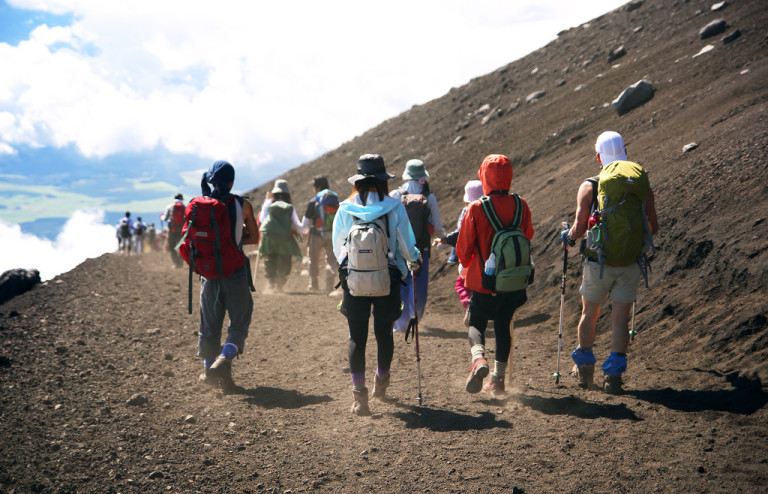
Reverse Altitude Sickness High to low
The rapid decrease in altitude triggers a chain of reactions from your body. You start to feel mild headaches, shortness of breath, and rapid heart beating when suffering from reverse altitude sickness. The primary cause of the triggering of reverse altitude sickness is Hypobaric Hypoxia. Hypobaric Hypoxia is a condition where your body is deprived of sufficient supply of oxygen from the air to your body tissues in either quantity or molecular concentration. A rapid descend to lower altitudes contradicts your tissues mechanism that sustained you in the higher elevations, resulting in symptoms of reverse altitude sickness.
The initial symptoms of reverse altitude sickness are mild headaches, dizziness, and nausea. Fatigue, breathlessness, chest tightness also become apparent in further altitude declines. Some other symptoms include rattling and gurgling sounds when breathing, heavy frothy coughs, and grey and blue lips and fingernails.
You should watch out for minor symptoms of Reverse Mountain Sickness like:
– Headache
– Fatigue
– Insomnia
– Nausea
– Dizziness
– Shortness of breath and
– Frequent Urination
Reverse Altitude Sickness is not seen in every person. The symptoms and effects of reverse altitude vary from person to person. A person who has a record of past sickness relating to altitude sickness often develop this sickness quickly after a latitude drop of about 2,500 meters.
People who have a habit of drinking alcohol and lots of coffee are also prone to reverse altitude sickness. Alcohol and coffee slow the flow of oxygen of your tissues to the heart and thus increases the chances of altitude sickness.
Like High altitude sickness, Reverse altitude sickness is very dangerous and can be life-threatening in its severe form. Reverse altitude sickness increases the blood pressure in the absence of oxygen in the blood. The rapid blood pressure in severity leads to leakage from the vessels to the brain and lungs. This is called Edema and is very serious and can lead to death without medical attention.
The best way to prevent reverse altitude sickness it to let the body adjust. You must pace your descent to avoid any discomforts. Overexertion and extreme physical stress to your body hype the symptoms of altitude sickness, so take it easy and climb down taking regular breaks. Also, keep yourself hydrated. Drink on average 4 to 6 hours of water per day to replenish water lost by the body in the form of sweat and heat.
Refrain from alcohol, smoking, and coffee the prior day when transitioning from high altitude places.
You can contact your doctor and carry medication to prevent altitude sickness. Acetazolamide and Dexamethasone help to prevent altitude sickness by keeping a steady flow of blood and assist the red blood cells to take oxygen to all parts of the body.
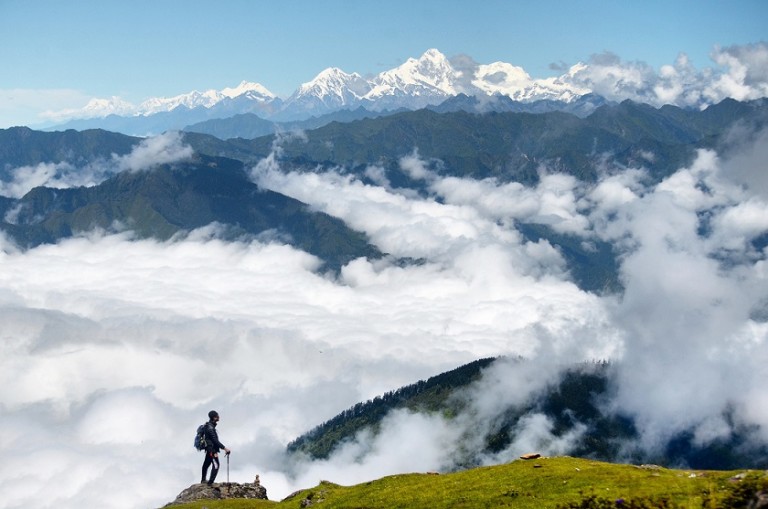
A trekker in Langtang Region
Nepalese people use Garlic and Cloves to treat minor symptoms of altitude sickness. They help in the flow of blood inside the blood vessels by thinning the blood. Make sure to carry clove and garlic; they can be convenient to treat mild symptoms when traversing the Himalayan regions of Nepal.
A study in 2012 showed that taking Ibuprofen 600 milligrams three times a day is also effective in decreasing the severity and incidence of altitude sickness. Paracetamol is also used as an alternative medication in place of Ibuprofen and is equally compelling.
There are several ways that can help you to acclimate better and avoid the trouble of altitude sickness. The actual cause of altitude sickness differs from person to person so as the remedies. If one activity eases one’s reverse altitude sickness, that may not apply to another person. Some ways you can use to acclimate better to your surroundings are:
For further information regarding Reverse Altitude Sickness and your trip to Nepal, you can check out our website. If you have any queries and require additional information about our past works. Our experience in the field, customer satisfaction, and any other details feel free to contact from our website contact page.
Your email address will not be published.Required fields are marked *
You must be logged in to post a comment.



0 Comments on "Reverse Altitude Sickness – Causes, Symptoms and Prevention"
Reverse Altitude Sickness: How To Acclimatize To Higher Altitudes - mousetimes
[…] altitude sickness, the first thing you should do is see a doctor. There is no one-size-fits-all solution to this condition, but there are a few things that can be done to help people adjust to lower […]