- HOME
- Destination
- Adventure Activities
- About Us
- BLOGS
- CONTACT US

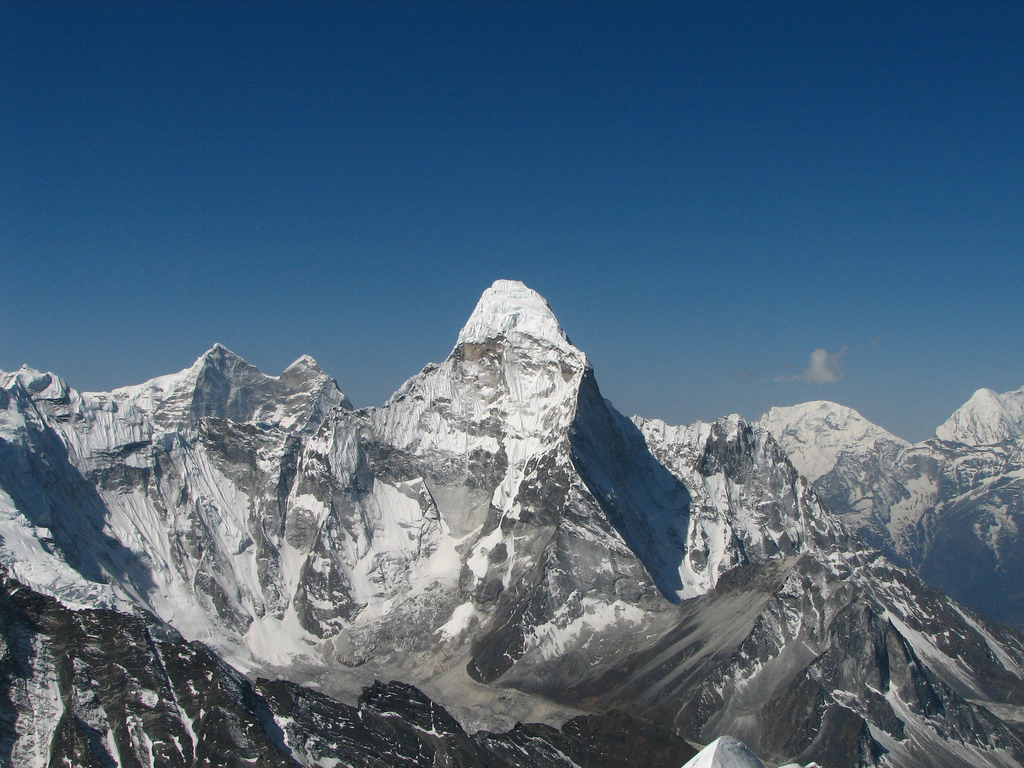
Popularly known as Island Peak, the mountain also goes by the name of Imja Tse. The expedition is a once in a lifetime experience, with an adrenaline adventure in a classic mountain of Island Peak of Himalaya, which is located at an elevation of 6,160 meters.
Although it is an expedition, the climb is straightforward with some technical section in the beginning and near the summit, but with our experts making all the necessary arrangement, we can assure your safety won’t be compromised at any cost.
Island Peak is an exemplary expedition in the high Himalayas offering you the pristine view of mountains all around. Everest (8,848 meters), Nuptse (7,855 meters), Khumbutse (6,036 meters), Lingtren (6,749 meters), Changtse (7,583 meters), Pumori (7,161 meters), AmaDablam (6,812 meters), Kangtenga (6,782 meters), Thamserku (6,623 meters), Kwangde (6,011 meters), Kusum Kanguru (6,373 meters), Lobuje (6, 119 meters), Pokhalde (5,806 meters) and Island peak itself: you will be revered with the marvel scenery of these peaks along with several other nameless peaks.
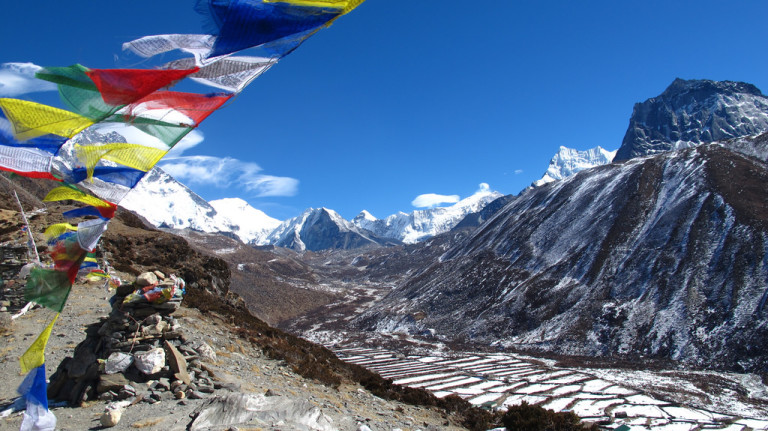
Expedition of Island Peak from Kala Patthar is one of the popular trekking routes because of its easy accessibility from a flight to Lukla and get along the route towards Kala Patthar and make our way to scale the summit. The trek is moderate in the initial stage with the picturesque of indigenous villages like Namche Bazaar, Tengboche, Dingboche, etc.
Maybe you are not aware, but Island Peak climb is the second busiest trekking destination after Annapurna region. And the honor is quite obvious with the distinctive settlement with native culture and tradition, dramatic setting of hills and verdant forest against some major peaks in the world. You will get pass many Sherpa villages, famous mountaineers and known for their warm hospitality who are the residents of Himalayas from last five decades as porter and guides.
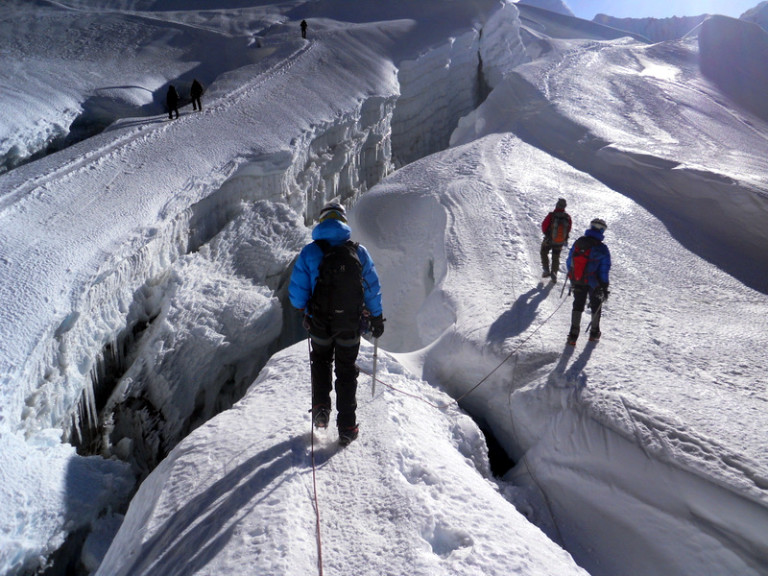
Although elevation of Island Peak is only at 6,160 meters, scaling it certainly needs some abseiling with basic mountaineering skills. The climb is not easy, but it depends on you to make it any less challenging.
You must acclimatize at lower region for some days to adjust yourself in new environment. Unlike trek, it is an actual mountain climbing, so you must not compromise on the planning schedule. If you are planning to climb the peak on constrained time, it will be dangerous and challenging endeavor.
While climbing, you will be carrying a 5-7kg of backpack, so you need to be in good fitness level and excellent physical condition. You can do some training and exercise to prepare yourself with bikes, jogging, and weights and build yourself to carry 10-12kg weight in training.
Also, climbing Island peak will be best during April, May, October, and November. We avoid climbing in extreme climatic condition in rainy or witness which increases risks and danger by limiting our chances of success.
Located at an elevation of 6,189 meters, Island Peak is mountain in Sagarmatha National Park, a UNESCO world heritage site in eastern Nepal.
There is a very interesting story regarding the name of the peak. In 1953, the peak was named Island Peak by members of British Mount Everest expedition because it appears as an island in a sea of ice when viewed from Dingboche. Later, in 1983, it was renamed as ImjaTse.
The southwest summit of Island Peak was first summited in 1953 as a part of training exercise by British expedition that went on Everest. The climbing team comprised Tenzing Norgay Sherpa as well, who is the first climber of Everest along with Edmund Hillary.
As mentioned Island Peak is within Sagarmatha National Park, you will need a national park along with a permit from Nepal Mountaineering Associations. So, check the documents before embarking on the expedition.
The exceptional journey towards the summit of Island Peak starts with the flight to Lukla. Located at 2,800 altitudes, Lukla is an excellent village with a pristine view of green hills around. Moving on from Lukla, we trek to Phakding following the trail of Dudh Koshi river. Then we will come across Namche Bazaar, the famous acclimatization hub, also an excellent settlement of Sherpas and other indigenous groups exhibiting the traditional lifestyle and authentic culture.
After spending a day on Namche and taking a stroll over this small town, we trek towards Tengboche, also cited as one of the beautiful villages in Khumbu region. By this point in time, we are quite near to achieve the one glory of our trek; Everest Base Camp. From Tengboche, it will take us three days to arrive at the base camp at 5,364 meters.
From base camp, we will pave our way to Kala Patthar, the famous vantage point for viewing Everest more perfectly. Now the path takes us to Chukhung and the base camp of Island peak. Climbing the summit is the most challenging part, but with our expert team, we assist in making it easier in every possible way.
Island peak has the most dramatic view of panorama of surrounding snow-capped peaks which is literally breathtaking. That feeling is just too high to explain, isn’t it? Now, we will gradually make our way back with a scenic walk ending this beautiful and worthy adventure of your life.
We, Aasra Eco Treks are always delightful to serve our clients best need. We will help you organize a comfortable journey with a reasonable means so you can have the best adventure, because as a wise man once said, “Fill your life with adventures, not things. Have stories to tell not stuff to show.”
Your email address will not be published.Required fields are marked *
You must be logged in to post a comment.



0 Comments on "Island Peak: The Neighboring Peak of Everest"