- HOME
- Destination
- Adventure Activities
- About Us
- BLOGS
- CONTACT US

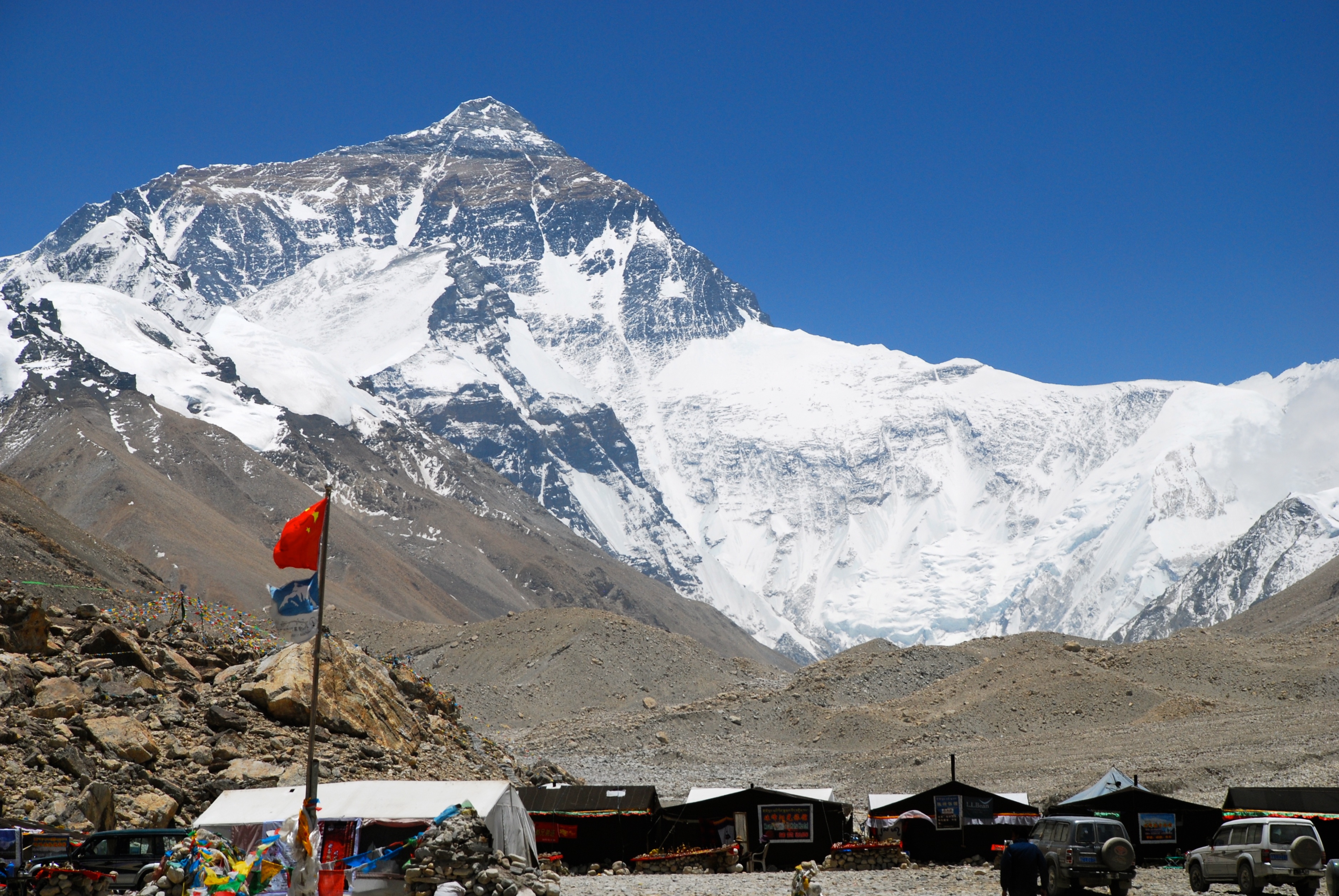
“If happiness is the goal – it should be, then adventure should be the top priority”; said a wise man once. What would be the better adventure than scaling the trail of the world’s highest mountain?: Everest Base Camp.
Everest Base Camp trek is a once in a lifetime trek which takes you to one of the most adventurous journeys ever. It is a blissful trek allowing you to immerse in the mesmerizing view of snow-capped mountains and explore the more of enticing culture and tradition of Himalayan peoples. The base camp trek takes you to the Khumbu region and its astounding features of rich culture and tradition and the amazing mountain villages and valleys inhabitant by an indigenous group of Sherpas.
Everest Base Camp trek witnesses one of large numbers of trekkers in Nepal as people want to get a close view of the most fabulous art of nature if not scale it and it is also because of the beauty of trail and diversity one encounters en route. So, roll your sleeve and visit Nepal to accomplish this adrenaline adventure.
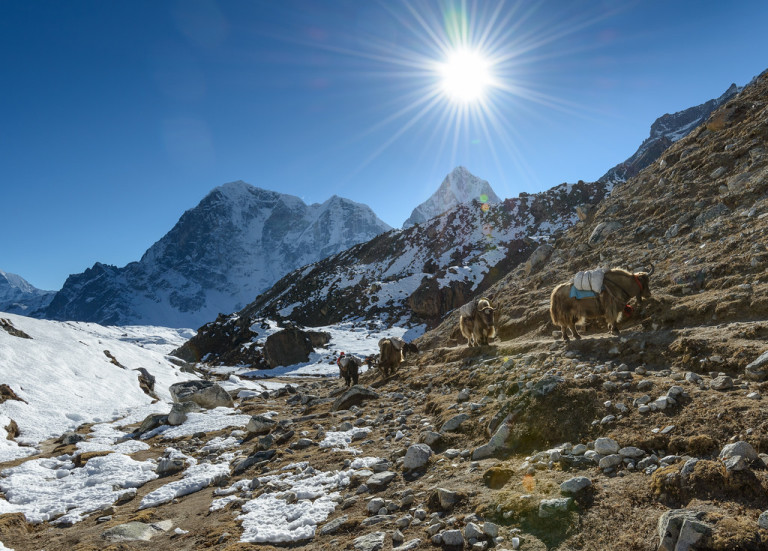
There are several treks which are favorable all the season of a year. Annapurna region is one best example which can be done in monsoon as well. However, for Everest Base Camp trek, post-monsoon and pre-monsoon are the best seasons.
February
Winter is almost at an end in February and spring is on rise. Winter is not a best time for trek, but February would be excellent. In February, temperature drops down,and wind speed fluctuates, but Everest Base Camp trek in February won’t disappoint you.
March
March is spring season month when temperature is warmer and days are clear. Arrival of spring turns the trees and grass of hill in green and beautiful flowers starts to bloom. Because of its perfect time, it is one of the busiest trekking seasons.
April
April will be the perfect time for Everest trekking. In April, weather is slightly warmer at lower altitude and moderate at high regions. It just perfect for viewing the mountains and exploring the natural beauty.
May
May is the end of spring and beginning of summer. In May, you can get a breathtaking view of sunrise and sunset over the Himalayas. Days are clear, and weather is just fine in May, but in mid of May, you can witness drizzling rain and clouds.
September
As monsoon has ended right away, in September days are crystal clear allowing the perfect view of mountains. Days are warm and night are cold, but not much cold. So, September is one ideal season for Everest trekking.
October
October is one of the peak trekking seasons in Nepal. In October, days are warmer and nights are usually colder depending on the altitude level. Weather becomes unpredictable and it might rain,but you don’t need to worry as sky clears out as soon as clear.
November
Trekking in November will give you the best experience as there won’t be snowfall, rainfall or extreme weather conditions. November marks the end of autumn where temperature slightly decreases, however, days are warm and clear.
December
December marks the cold season and temperature starts to drop below zero at night at Everest region. However, some of the trekkers still ascend to Everest Base Camp to avoid busy trails.
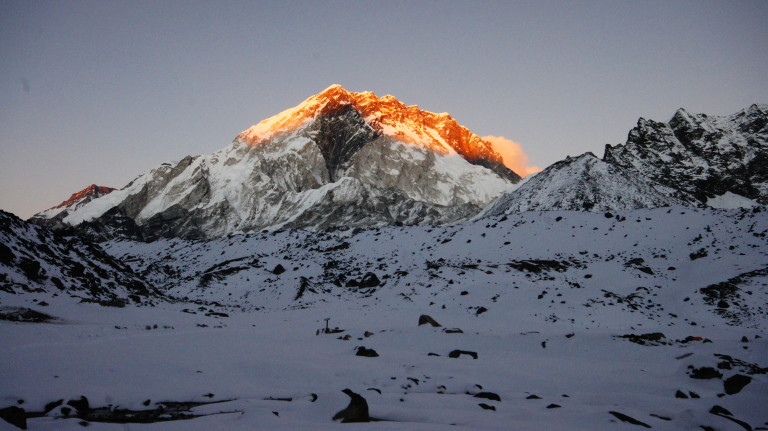
After reaching the height of 3,000 meters, most of the trekkers experience altitude sickness. However, if you are careful enough then you can avoid it. Acclimatization for higher elevation helps adjust your body in newly found temperature and somewhat prevents altitude sickness. In Everest Base Camp trek, Namche Bazaar is the typical place for trekkers to acclimatize for at least two days. Drinking plenty of water, good health,and fitness, an adequate amount of sleep, slow speed on hiking are some precaution to this problem. Many trekkers hurry in their journey without getting any rest or acclimatization. However, they soon experience altitude sickness and made to bring them down; this has happened many times in past, so be wise and make no hush.
Another thing you need to remember is permits. There are two permits you need in Everest Base Camp trek; Trekkers Information Management System (TIMS) and Sagarmatha National Park entry permit. TIMS can be obtained by paying USD 10, if you are trekking in a group and USD 20 if you are trekking independently, along with two passport size photo. Nepal Tourism Board which is located in vicinity of Thamel will provide you with this card.
For Sagarmatha National Park, you need to pay USD 30 + 13% tax (no photos required). You can get this card from Nepal Tourism Boards or at the entry point of Sagarmatha National Park which is Monjo.
Nepal witnessed the devastating earthquake of 7.8 magnitude on April 25, 2015, and many aftershocks. Everest Base Camp also suffered the casualty of 19 people as a result of an avalanche on Pumori. The earthquake also damaged some trails leading to Everest Base Camp and needed repairs.
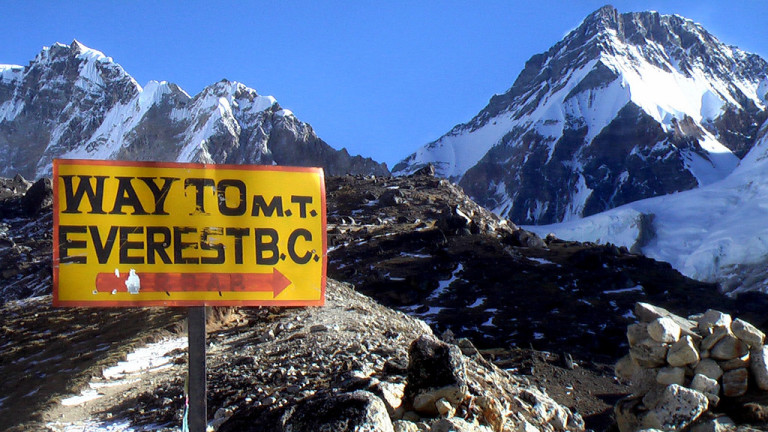
The once in a lifetime trek of Everest Base Camp beings with a flight to Lukla from Kathmandu. Flying is the general option chosen by trekkers to save time and energy as there are no roads connecting to Lukla, however, trekking to Lukla is also possible.
From Lukla, we ascend towards Namche Bazaar following the valley of Dudh Koshi River which takes two days of time. Namche is located at an elevation of 3,440 meters and popularly known as Sherpa capital and gateway to Everest region. Namche is where trekkers prefer to stay for a day for acclimatization before moving to higher altitude.
From Namche, we trek towards Tengboche (3,867 meters) where we can visit the largest monastery of Khumbu and move on we will get towards Dingboche, where we will spend two nights for acclimatization. From Dingboche, it takes two days to reach Everest Base Camp. After exploring the camp, we will side hike to Kala Patthar which is a famous vantage point to get a panoramic view of Everest, Nuptse, Chagastse, Lhotse, Pumori, and other beautiful peaks.
After Kala Pattar, we will descend towards Pheriche and to Namche Bazaar. Now, we are almost at the end of this trek. From Namche, it takes about seven hours of hike to arrive at Lukla, from where we will be back to Kathmandu taking a flight.
Your email address will not be published.Required fields are marked *
You must be logged in to post a comment.



0 Comments on "Everest Base Camp: The Signature Trek of Nepal"